Choosing a neckline is not merely a matter of following seasonal trends. It is a practical exercise in proportion, comfort, movement, and personal expression. The question is simple: how to choose the right neckline for your body type without forcing your body into a rigid fashion rule?
The State of Fashion 2025 report from McKinsey & Company and The Business of Fashion highlights growing consumer attention to value, quality, and personal relevance. A neckline should meet those expectations. It should feel comfortable at the collarbone, sit smoothly across the chest, and support the visual balance of your shoulders and face. Cotton Incorporated’s Global Lifestyle Monitor reports also consistently identify comfort and fit as important clothing priorities. That matters when comparing a soft V-neck, a structured boat neck, or a high crew neck.
Fashion designer Carolina Herrera once said, “The dress must follow the body of a woman, not the body following the shape of the dress.” Her observation offers a useful professional principle. Clothing should adapt to you. Not the reverse.
A V-neck can lengthen a short-looking torso. A boat neck may emphasize the shoulders. A scoop neck often creates gentle openness around the face. These are guidelines, not verdicts. Body shapes vary. Fabric changes everything.
Try the garment in daylight. Check the neckline from the side. Notice whether it pulls, gaps, or feels restrictive. Even expert advice has limits, and personal preference can challenge conventional styling logic. That is part of the process.
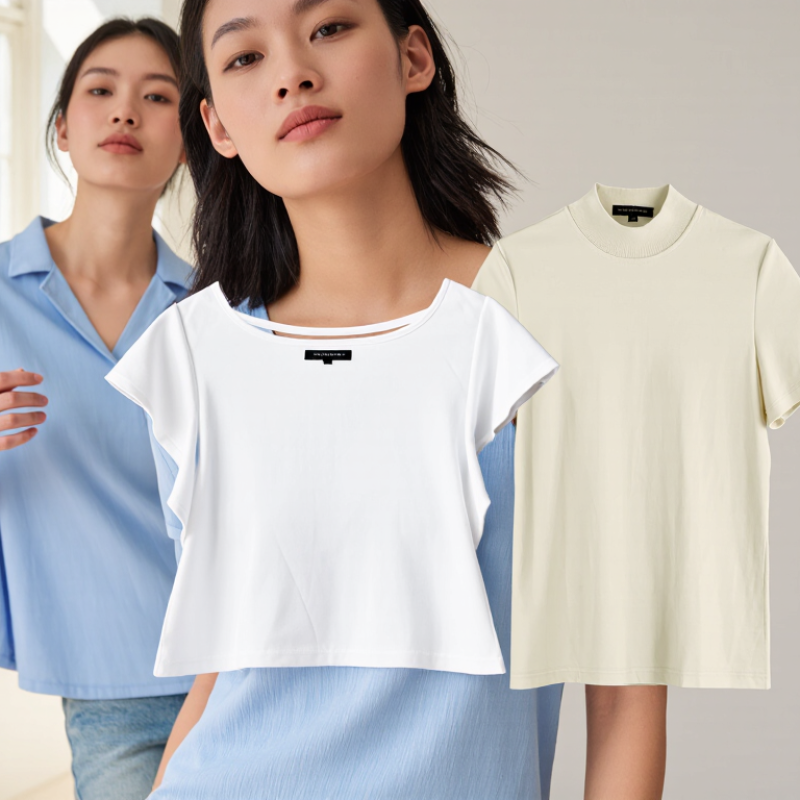
A neckline should begin with accurate body information, not guesswork. ISO 8559-1 provides consistent landmark definitions for clothing measurements. Wear light, close-fitting clothing and stand naturally. Keep your feet level and shoulders relaxed. Avoid pulling the tape tight.
Mark the shoulder points carefully, using the bony landmarks near the outer shoulder. Measure shoulder breadth across the body without forcing the posture. For bust measurement, place the tape around the fullest part of the bust. Keep it horizontal and check it in a mirror. The tape should touch the body without compression. Measure the neck around the defined neck base area, following the standard landmark rather than an imagined collar line. Small errors matter.
They really do.
In fitting work, I compare these measurements with the garment’s neckline depth and width. A broader shoulder line may balance with a gentle V-neck or open square neckline. A fuller bust often needs space at the front and stable shoulder support. A longer-looking neck can suit higher collars, while a shorter-looking neck may feel more comfortable in open shapes.
These are useful guides, not rigid rules. Body posture, fabric stretch, and personal comfort can change the result. I sometimes measure twice and still question the reading. That is normal. Record the date, clothing, and posture, then reassess before making a final style decision.
How to Choose the Right Neckline for Your Body Type?
A flattering neckline begins with proportions, not a fixed body-type label. ASTM D5585 Women’s Size Data provides useful reference points for bust, waist, hip, and height measurements. Compare your measurements with the table before choosing a neckline. A V-neck can visually lengthen a shorter upper body. A boat neckline may emphasize shoulder width. A scoop neckline often creates a softer, more open impression.
Measure yourself while standing naturally, without pulling the tape tightly. Record your full bust, waist, hip, shoulder width, and height. ASTM data helps identify your closest size range, but it cannot describe every body. Bust projection, posture, and neck length can change how the same neckline looks. I have found that a paper pattern or inexpensive test garment reveals more than measurements alone. My first choice is not always right.
Tips: Match neckline depth with bust placement. Keep extra room near a fuller bust. Use a higher neckline when the fabric stretches easily. Check the shoulder seam in a mirror. If it shifts backward, the issue may be fit, not style. Compare your measurements with ASTM D5585, then adjust for comfort and movement. Small differences matter.
How to Choose the Right Neckline for Your Body Type?
Necklines can change how your body proportions appear, even when the garment stays the same. In my fitting experience, a V-neck often lengthens a shorter-looking torso and draws the eye vertically. A scoop neck creates softer space around the collarbone. It can balance a fuller bust without adding sharp angles. A square neckline gives structure and highlights the shoulders. It often suits bodies with a narrower upper frame. A boat neckline stretches the shoulder line and can make the upper body appear wider. However, these effects depend on fabric, depth, and fit. Body shape advice is useful, but it is not a strict rule.
Tips: Compare the neckline with your shoulder and hip widths. If your shoulders look narrow, try a boat or square neck. If your upper body feels broad, a deeper V or relaxed scoop may create balance. Check the garment from the side, too. A neckline that looks elegant from the front may pull across the bust. Comfort matters more than a chart.
Try one neckline in different depths before deciding. A high V can look polished, while a very deep V may feel distracting. I once recommended a square neck for a balanced silhouette, but the stiff fabric made the shoulders look heavier. That mistake was useful. Proportion is only part of the result; movement, posture, and personal confidence also matter. There is no perfect formula.
Match V, scoop, square, and boat necklines to common body-ratio considerations. Higher scores indicate stronger visual suitability for balancing that proportion.
This chart is a practical styling guide rather than a scientific measurement system. Personal preference, garment fabric, fit, and neckline depth can change the overall effect.
How to Choose the Right Neckline for Your Body Type?
Neckline design begins with measurable balance, not guesswork. The SizeUSA national sizing study scanned more than 10,000 adults and revealed substantial variation in body proportions. Therefore, fixed size charts cannot guarantee a comfortable neckline. ASTM D5585 offers standardized women’s body measurements, while ISO 8559-1 defines key anthropometric landmarks.
For a basic draft, divide the neck circumference by six to estimate neckline width. Use this only as a starting point. Different drafting systems add different ease allowances. Keep the back neckline shallower, often about 2–3 centimeters, then shape the front deeper according to the desired style. The shoulder seam must remain balanced. If the front neckline is too wide, the garment may slide outward. If it is too deep, the bust area can gape.
Test it in muslin. Always test it. Mark the center front, center back, and shoulder line before fitting. A balanced neckline should sit smoothly without pulling across the throat or exposing the bra line. For a fuller bust, add front length before increasing depth. For sloped shoulders, reduce width slightly or raise the outer edge. These changes protect the neckline from collapsing.
I still over-deepen front necklines sometimes. It looks elegant on paper, but fails during movement. Walking, bending, and reaching reveal problems that a flat pattern hides. Record the final width and depth after fitting, then compare them with the original draft. The correction may be small, but its effect is not.
How to Choose the Right Neckline for Your Body Type?
A neckline should support your proportions, but fit matters more than fixed body-shape rules. Start with a practical fitting test. Stand naturally in front of a mirror, then raise both arms. The neckline should stay flat without pulling toward your throat. Turn sideways and check whether the fabric shifts across your chest or back. Sit down too. A neckline that looks elegant while standing may feel restrictive when seated.
Posture changes the result. Rounded shoulders can make a high neckline appear tighter, while a lifted posture may create unexpected space. Relax your neck and avoid posing during the test. Walk a few steps and observe the opening again. Fabric stretch also affects comfort and appearance. Stretchy jersey may recover after movement, but loose recovery can make the neckline sag. Firm woven fabric needs more room, especially around the shoulders. No test is perfect. Small adjustments may still be necessary.
Tips: Try the garment with your usual undergarments. Check the neckline in daylight. Pin excess fabric temporarily to compare shapes. If the fabric pulls, size up and assess the shoulder seam. If it gaps, consider a smaller opening or a modest alteration. Remember, comfort is evidence. A beautiful neckline that requires constant adjustment is not the right choice.
| Neckline | Visual Effect | Often Works Well When | Fit Test | Posture Test | Fabric Stretch Guidance | Common Adjustment |
|---|---|---|---|---|---|---|
| V-neck | Creates a vertical line and can visually lengthen the neck and upper torso. | You want more vertical emphasis or a less enclosed feeling around the chest. | With arms relaxed, the center point should remain flat without gaping. Allow approximately 1–2 cm of ease at the chest seam for a close-fitting knit top. | Raise both arms, sit, and turn sideways. The neckline should not pull toward the throat or expose more chest than intended. | A knit with about 10–20% crosswise stretch can improve comfort. For woven fabric, use a stable neckline finish and sufficient bust ease. | Add a small neckline stay, shorten the V point, or use a modesty panel if the center gapes. |
| Scoop neck | Adds a rounded, open frame around the face and can soften angular lines. | You prefer moderate openness without the sharper direction of a V-neck. | Check that the curve lies evenly from shoulder to shoulder. Two fingers should fit comfortably between the neckline edge and the base of the neck without excess looseness. | Bend forward and reach across the body. The neckline should stay centered rather than sliding toward one shoulder. | Light to medium knits with roughly 10–25% crosswise stretch usually recover comfortably; add clear elastic or binding if the edge grows during wear. | Raise the shoulder seam slightly or reduce the neckline opening if the back edge falls away from the neck. |
| Square neck | Creates horizontal and angular lines across the upper chest. | You want a structured frame or visual emphasis on the shoulders and collarbone area. | The top edge should remain level. Check for diagonal wrinkles from the bust toward the armhole; these usually indicate insufficient width or depth. | Stand naturally, roll the shoulders forward, then back. The corners should not dig into the shoulder or collapse toward the center. | Stable woven fabric or low-stretch knit is suitable. If stretch exceeds about 20%, reinforce the upper edge to prevent distortion. | Raise the neckline corners, add a narrow facing, or increase upper-chest width if the edge cuts in. |
| Boat neck | Draws the eye horizontally toward the shoulders and collarbone. | You want shoulder emphasis or a wide, elegant neckline with limited front exposure. | Check that the neckline stays at the same height on both sides and does not press against the neck when the arms move. | Walk, lift the arms to shoulder height, and rotate the torso. The edge should not migrate backward or reveal bra straps unintentionally. | Use a firm knit or woven fabric with limited stretch. If the fabric has more than about 15% crosswise stretch, stabilize the neckline edge. | Narrow the opening, add clear elastic, or adjust the shoulder slope when the neckline slips outward. |
| High crew neck | Creates a compact, covered frame and adds visual weight near the face. | You prefer coverage, warmth, or a clean base for layering. | You should be able to insert one or two fingers between the neckband and skin without compression or choking pressure. | Look down, turn the head, and swallow normally. The collar should move with the neck rather than restricting it or rolling outward. | A neckband commonly needs enough recovery to pass over the head; a rib knit with approximately 30–50% crosswise stretch is often practical, depending on head and neck measurements. | Lower the neckline, widen the band, or use a softer stretch binding if the collar feels restrictive. |
| Sweetheart | Follows the bust curve and creates a defined focal point at the center front. | You want a shaped, feminine neckline with controlled emphasis at the bust. | The center dip should remain centered and the upper edges should sit smoothly without horizontal strain lines or cup-like gaping. | Lean forward, sit, and raise both arms. The neckline should maintain coverage and should not move more than approximately 1 cm from its intended position. | Use stable fabric or moderate stretch of about 10–20%. Add internal support for strapless styles because stretch alone does not prevent downward movement. | Add cup shaping, adjust the center dip, or use neckline elastic and internal stays to improve security. |
| Cowl neck | Adds soft folds and volume around the upper torso, with a fluid rather than tailored effect. | You want drape, softness, and adjustable visual depth. | The folds should fall continuously without sharp drag lines. Check that the neckline does not expose more than intended when bending forward. | Walk and sit for several minutes. The drape should remain balanced rather than collecting heavily on one side. | Lightweight jersey or fluid fabric with about 15–30% crosswise stretch supports movement; heavy fabric can pull the neckline downward. | Reduce the drape depth, shorten the neckline edge, or add a discreet tack if the folds become unstable. |
| Halter neck | Directs attention toward the shoulders, upper back, and center front. | You want shoulder and upper-back emphasis with a sleeveless silhouette. | The front should stay close to the body without pulling upward at the neck. Check that the armholes do not cut into the underarm. | Move the arms forward and overhead. The neck strap should remain comfortable and should not create pressure or a headache after a few minutes. | Moderate stretch can improve mobility, but excessive stretch may transfer weight to the neck. Use stable fabric and distribute support through the back or waist when possible. | Widen the neck strap, add back support, or lower the armhole if movement causes pulling. |
Practical validation rule: Test the garment while standing, sitting, bending, reaching, and turning. A neckline is generally suitable when it remains centered, lies smoothly, allows normal breathing and movement, and does not create persistent pressure, gaping, or visible drag lines.
Measure your bust, waist, hips, shoulder width, and height while standing naturally. Use these numbers as guides, not strict rules.
A V-neck often draws the eye downward and creates a longer visual line. A high V may look polished.
A scoop neckline can create open, softer space around the collarbone. Keep enough room so the fabric does not pull.
A boat neckline can visually extend the shoulder line. It may make narrow shoulders appear broader.
A square neckline can add structure and highlight the shoulders. Test it with soft fabric first.
Divide neck circumference by six for a rough width starting point. Keep the back shallower, often around two or three centimeters.
Paper patterns hide movement problems. A test garment reveals pulling, gaping, shifting, and exposure near the bust.
Check the shoulder seam in a mirror. The problem may involve fit, posture, or shoulder slope rather than style.
Add front length before increasing neckline depth. Extra depth alone may cause gaping during bending or reaching.
No. Fabric stretch, posture, bust projection, and comfort change the result. I sometimes choose a beautiful shape that fails in motion.
Learning how to choose the right neckline for your body type begins with accurate measurements. Record your shoulder, bust, and neck dimensions using consistent anatomical landmarks based on ISO 8559-1 principles. Then compare these proportions with the women’s size data described in ASTM D5585 to understand whether your upper body appears broader, narrower, longer, or more balanced. This objective approach helps you select a neckline for visual harmony rather than relying only on general fashion advice.
Next, consider how different shapes interact with your proportions. V-necks can create a longer vertical effect, scoop necks offer softness, square necks emphasize structure, and boat necks can visually broaden the shoulders. Set the neckline’s width and depth according to basic patternmaking balance rules, keeping the garment’s center front and shoulder lines stable. Finally, test the design through movement, posture changes, and fitting samples. Check whether the neckline lies flat, remains comfortable, and works well with the fabric’s stretch, weight, and recovery.
