Loungewear has moved beyond the sofa. Today, a ribbed set, relaxed trousers, and a clean cardigan can look intentional enough for a coffee run, while still feeling soft against the skin. But what is the trendiest loungewear aesthetic right now? The strongest answer is not one fixed look. It is polished comfort: easy shapes, tactile fabrics, and a restrained palette, with one personal detail.
The market helps explain why this category matters. Grand View Research’s Global Loungewear Market report estimated the sector at about US$37.4 billion in 2023 and forecast continued growth through 2030. That figure describes the market, not a guaranteed style winner. Still, it reflects loungewear’s shift from occasional homewear to everyday dressing. Fashion psychologist Dr. Carolyn Mair’s work offers a useful lens: clothing can influence mood, confidence, and behavior. That is relevant when choosing a set you may wear at home and in public.
Soft, not sloppy. Think brushed cotton, fine ribbing, and a warm neutral set, finished with structured loafers or a neat jacket. McKinsey and The Business of Fashion’s State of Fashion reports also track consumers’ focus on value and changing expectations. For shoppers, that makes comfort, versatility, and longevity practical style tests. A trend can look perfect in a product photo and feel wrong after two hours. Fit matters. So does fabric against your skin. This guide explores ten current loungewear aesthetics, while leaving room for personal taste—and for the possibility that not every trend deserves a place in your wardrobe.
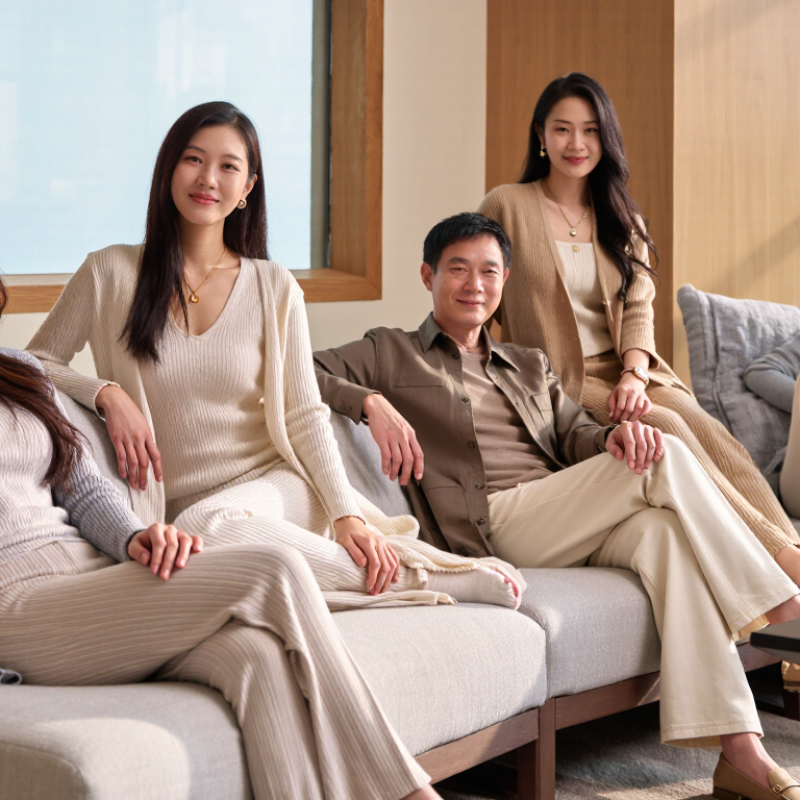
What defines a loungewear aesthetic is the way comfort, shape, color, and small details work together. It is more than wearing soft clothes at home. A relaxed set in muted colors can feel calm and minimal, while ribbed layers and warm tones may look cozy and nostalgic. The silhouette matters, too: wide-leg pants create a different mood from fitted joggers. So does the neckline, cuff, or visible seam.
Fabric makes the look tangible. Cotton jersey feels casual and familiar; brushed knits add warmth, while lightweight woven fabric can look neater. Check how a garment moves when you sit, stretch, or reach for a mug. A waistband that digs in can spoil an otherwise polished outfit. Practical details count. Breathability, opacity, and easy care affect whether a piece works beyond a quick photo.
There is no fixed formula. Still, the rules are fuzzy. Personal routines, climate, and sensory preferences all shape what feels right. Someone who gets cold may layer a cardigan over a tank; another person may prefer loose shorts and a smooth tee. I sometimes find that a carefully matched set feels less inviting than an old, slightly uneven combination. That tension is part of the aesthetic: it can look considered without feeling overly arranged.
Loungewear aesthetics are shifting with the way people use their homes: as workspaces, recovery zones, and places to slow down. Soft minimalism favors neutral colors, brushed cotton, and easy layers; sport-inspired sets suit movement between errands and the sofa. These choices reflect more than appearance. McKinsey’s 2024 Future of Wellness report found that 82% of U.S. consumers consider wellness a top or important priority. Comfort is practical.
The Global Wellness Institute valued the wellness economy at $6.3 trillion in 2023 in its 2024 Global Wellness Economy Monitor. That figure does not measure loungewear sales, but it helps explain why shoppers may seek clothes that support rest and everyday well-being. Relaxed tailoring and natural-feeling textures answer that desire without looking like sleepwear. Still, a calm palette is not automatically comfortable; fabric weight, seams, and fit matter. It is easy to choose a look that photographs well but feels restrictive after an hour.
Tips: Check how a set feels when sitting, stretching, and layering. Look for breathable fabric and seams that do not rub. Choose pieces that work beyond the bedroom, but do not mistake versatility for a reason to buy more.
How loungewear trends reflect current lifestyle preferences
The index is an illustrative editorial comparison, not measured consumer-search or survey data. The styles highlight preferences often associated with loungewear: comfort, versatility, relaxed polish, and tactile materials.
Tonal minimalism pairs cream joggers with a matching ribbed top for a calm, coordinated look. Sporty lounge borrows from warm-up gear: think piping, relaxed shorts, and a zip-neck layer. Ballet-inspired dressing uses soft wraps, leggings, and muted pinks, though delicate knits may not suit every household routine.
Coastal ease brings airy cotton, loose stripes, and pale blue. Cottage-inspired loungewear adds floral prints and roomy cardigans. Comfort matters most.
Quiet luxury leans on simple shapes, soft fabrics, and thoughtful fit rather than visible logos. Retro track style mixes roomy sweatpants with a neat sweatshirt and crisp socks. Monochrome dressing keeps one color family from top to bottom.
Soft grunge pairs faded tees with slouchy layers and darker tones. Matching knit sets look polished at home, but check care labels; some fabrics lose shape after frequent washing. These aesthetics are starting points, not rules. A favorite old tee can work better than a perfectly matched set.
Tips: Check how fabric feels when sitting, stretching, and washing. Keep one textured or colorful piece, then let comfortable basics do the rest. Don’t buy a trend just because it photographs well.
Cloud-soft dressing pairs relaxed joggers with brushed cotton or fleece in cream, mist gray, and pale lilac.
Ballet-inspired looks favor wrap tops, ribbed leggings, and fine knits in blush or soft black.
Coastal style leans on loose cotton shirts, drawstring shorts, and navy stripes.
Sporty sets use smooth jersey, track pants, and crisp white or saturated color.
Quiet minimalism keeps shapes simple, with modal or cotton basics in charcoal, taupe, and ivory.
Retro lounge takes cues from wide-leg pants, contrast piping, and velour or waffle-knit fabrics in rust, moss, and chocolate.
Cabin-inspired dressing brings flannel trousers, roomy cardigans, and warm checks.
Matching-set style coordinates a tank and shorts in ribbed cotton, often in one muted shade.
Street-inspired loungewear mixes oversized hoodies with relaxed cargos, using fleece and washed neutrals.
Linen resort looks pair airy shirts with pull-on trousers in sand, olive, or faded blue.
Small details matter.
A fabric’s feel changes how these looks work in daily life. Ribbing adds stretch, while linen creases quickly; neither is automatically better. Check seams and waistbands before choosing a set, especially if you plan to sit for hours.
Trends blur together, too. A coastal stripe can feel sporty, and that overlap is part of the appeal. Sometimes the color is doing more work than the cut.
Loungewear works outside the home when comfort feels intentional rather than accidental. Start with one relaxed piece, such as a soft knit top, wide-leg trousers, or a clean sweatshirt. Pair it with something structured: a crisp overshirt, a fitted jacket, or straight-leg jeans. This contrast gives an outfit shape without making it feel stiff. Keep the palette simple if matching separates already have texture or volume. Small details matter. Tuck in just the front of a shirt, or roll the cuffs to show your wrists. For errands, choose supportive, clean footwear and a bag that holds its shape. A delicate slipper may look lovely indoors but feel awkward on a long walk.
Think about fabric and setting, too. Lightweight cotton suits warmer days, while brushed fleece can feel bulky on a crowded commute. A thin base layer helps when temperatures shift. Check seams and fabric in daylight; some pale knits become more transparent than expected. That caught me off guard. There is no perfect formula, and a polished look can sometimes feel too carefully arranged. If that happens, remove one accessory or swap a structured layer for a cardigan. Wash pieces according to their care labels, since stretched cuffs can quickly make relaxed clothes look worn out. Let comfort guide the outfit, but consider where you are going and how long you will be there.
Comfort, shape, color, and small details work together. Muted colors can feel calm. Ribbed knits and warm tones feel cozy. A visible seam can change the mood.
Cotton jersey feels familiar and casual. Brushed knits add warmth, while lightweight woven fabrics look neater. Check how fabric moves when you sit or reach for a mug.
Sit, stretch, and reach before deciding. A waistband should not dig in, and seams should not rub. Breathability and opacity matter, too. Small tests help.
People use home spaces for work, rest, and recovery. Soft layers suit quiet routines, while sport-inspired sets allow easier movement. Comfort is practical, not just visual.
Pair one relaxed piece with something structured, such as a knit top and straight-leg jeans. Roll the cuffs or tuck in the front. Choose supportive shoes for errands.
Wide-leg pants create a different mood from fitted joggers. Neutral colors can look minimal, but they do not guarantee comfort. Fit still matters.
Use a thin base layer when temperatures shift. Lightweight cotton suits warmer days, while brushed fleece may feel bulky on a crowded commute. Not always ideal.
No. A matched set can feel less inviting than an old, slightly uneven combination. I sometimes prefer the uneven one. Comfort should have the final say.
A loungewear aesthetic is more than a set of comfortable clothes: it combines mood, styling, fabric, and color to create a distinctive way of dressing for rest and everyday life. Today’s styles reflect a desire for versatility, ease, self-expression, and clothing that moves smoothly between home and casual outings. The ten trendiest aesthetics range from soft minimalism and cozy knitwear to sporty comfort, vintage-inspired sets, relaxed tailoring, and playful color-focused looks. So, what is the trendiest loungewear aesthetic right now? The answer depends on personal taste and lifestyle; the strongest trend is choosing comfort that still feels intentional and individual.
Across these aesthetics, signature pieces include matching sets, loose trousers, soft sweaters, relaxed tops, and lightweight layers. Cotton, jersey, fleece, ribbed knits, and other gentle fabrics offer different levels of warmth and structure, while neutral shades, muted pastels, earthy tones, and brighter accents help define each look. To adapt loungewear for everyday wear, balance relaxed pieces with thoughtful layering, coordinated colors, and simple accessories, creating outfits that feel comfortable without looking unfinished.
