A basic white tee looks simple, but its fit, fabric, and neckline change the whole outfit. A slightly boxy cotton shirt feels relaxed with straight-leg jeans; a close-fitting crew neck slips neatly beneath a blazer. Small details matter. The sleeve length can balance a wide trouser leg, while a thin, sheer fabric may need a camisole underneath. There is no single perfect tee for every body or occasion, and an outfit can still feel unfinished.
The wider clothing market offers a useful reason to make everyday pieces work harder. Textile Exchange’s Materials Market Report 2024 estimates that global fiber production reached 124 million tonnes in 2023, up from 116 million tonnes in 2022. That figure describes production, not the impact of one person’s wardrobe, but it gives context to choosing versatile clothes and wearing them often. The Business of Fashion and McKinsey’s The State of Fashion 2024 also points to shoppers’ focus on value, making repeatable outfits especially relevant. This guide explores how to style a basic white tee five different ways, from an easy denim pairing to a sharper office look and a layered weekend outfit. Try the combinations, then adjust the proportions. A tucked hem may bunch; a looser fit may suit you better. That is part of getting dressed.
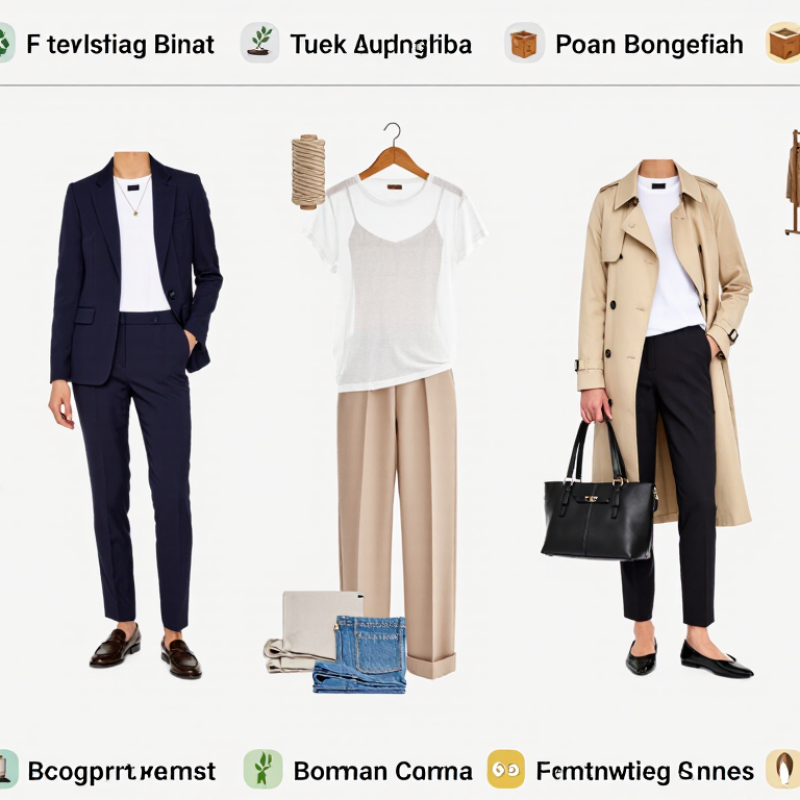
A basic white tee is a simple, light-colored T-shirt with a clean shape and little or no decoration. It may have a crew neck or a modest V-neck, and sleeves usually end around the upper arm. There is no single correct cut. The key is that the shirt feels easy to wear and works with clothes already in your wardrobe.
Fabric and construction matter more than a label calling it “basic.” Hold the shirt toward a window: if the outline of your hand shows clearly, it may feel too sheer for wearing alone. Check that the shoulder seams sit near your shoulders and the neckline lies flat. A soft cotton jersey is a familiar choice; a cotton blend may stretch or resist wrinkling differently. That matters. Even stitching and a hem that does not twist after washing are useful signs of sound construction.
Fit is personal, but the tee should not pull sharply across the chest or bunch heavily at the waist unless that is the intended look. White also varies, from cool, bright white to warmer ivory. Try it in daylight, since indoor lighting can change how the shade looks against your skin. I might choose a slightly relaxed fit, though that preference is not a rule. Not always. Check the care label, too; some cotton shirts shrink if dried with high heat.
| Category | Details | Practical Note |
|---|---|---|
| Definition | A basic white tee is a simple, short-sleeved white T-shirt, usually with a crew or V-neck and little or no visible decoration. | Its plain design makes it easy to wear alone or as a layer. |
| Fabric | Common options include cotton, cotton blends, and other knit fabrics. Fabric weight and weave affect how a tee feels and how much it may show through. | Check the garment in bright light if opacity is important. |
| Fit | Fits range from close-fitting to relaxed or oversized. Shoulder seams, sleeve length, and body length all affect the overall silhouette. | Choose a fit that works comfortably with the layers and bottoms you plan to wear. |
| Neckline | Crew necks have a rounded neckline; V-necks form a V shape. Both are common options for a basic tee. | A crew neck works well under many jackets, while a V-neck leaves more of the neckline open. |
| Style 1: Casual denim | Pair the tee with jeans and casual shoes. Tuck it in, leave it untucked, or do a small front tuck. | A straightforward everyday combination; adjust the tuck to suit the tee’s length. |
| Style 2: Under a blazer | Wear the tee beneath a blazer with tailored trousers or a skirt. | A smooth, well-fitting tee can create a simple base layer beneath structured clothing. |
| Style 3: Layered with an open shirt | Layer an unbuttoned shirt over the tee and wear it with jeans, chinos, or shorts. | The open layer adds coverage and lets the white tee remain visible. |
| Style 4: With a skirt | Combine the tee with a skirt, such as a denim, A-line, or longer skirt, and tuck it in if desired. | The contrast between a simple top and a different skirt shape creates a balanced outfit. |
| Style 5: Under knitwear | Wear the tee under a cardigan or sweater, with the neckline or hem visible if the layers allow. | A lightweight tee can serve as a base layer; check garment care labels before washing. |
Pair it with straight-leg jeans and clean sneakers. Cuff the hems if they pool over your shoes.
Try a half-tuck with high-rise denim for shape. It may sit unevenly. That can look relaxed.
Wear it beneath an open shirt, blazer, cardigan, or crew-neck knit. Let a little hem show.
Add tailored trousers, loafers, and a soft blazer. Choose a smooth tee with a neckline that lies flat.
Tuck it into a midi skirt, or layer it beneath a slip dress. The contrast feels casual, not polished.
Try vivid trousers or sculptural earrings. Keep other details quiet so the outfit does not feel crowded.
Look at it in daylight near a bright window. A fitting-room mirror may hide sheerness.
Wash it gently and air-dry it. Smooth the hem before layering; collars can bunch under blazers.
A basic white tee is a simple, versatile top with a clean design that can work across many settings. Its fabric, fit, and neckline all influence how it looks: a soft, relaxed shape feels casual, while a smoother fabric or closer fit can look more polished. Choosing a neckline and cut that suit your proportions helps the tee feel intentional rather than plain.
If you’re wondering how to style a basic white tee five different ways, start with denim for an easy everyday outfit, then layer it under an open shirt, blazer, or knitwear for added texture. You can also dress it up with tailored pieces, tuck it into trousers or a skirt to define the silhouette, or pair it with a statement accessory or patterned item for contrast. These simple combinations show how one reliable staple can shift from laid-back to refined with just a few thoughtful choices.

 Bever Beauty