Why Is My Bodysuit Uncomfortable How Can I Wear It Better?

Time:2026-10-11 Author:Ethan
0%

A bodysuit can look polished while feeling surprisingly restrictive. The problem often begins with fit, not fashion. A torso that is slightly too short can pull at the shoulders, press against the gusset, and create sharp pressure beneath the jeans. Snaps may dig in. Seams may rub after several hours. I have learned that “stretchy” does not always mean comfortable.

This guide explains how to wear a bodysuit without it being uncomfortable, using practical fitting advice and clothing-science principles. Professor George Havenith, a leading clothing-physiology researcher at Loughborough University, emphasizes that comfort depends on the wearer, the garment, and the environment. That principle matters here. A bodysuit that feels fine in a cool fitting room may become irritating during commuting, sitting, or warm weather. Textile Exchange’s Materials Market Report 2024 also shows polyester remains the dominant global fiber, representing roughly 57% of production. Cotton accounts for about one-fifth. Fiber content alone, however, cannot predict comfort. Construction, moisture control, seam placement, and recovery matter too.

The State of Fashion 2025 report from The Business of Fashion and McKinsey identifies comfort, versatility, and value as continuing apparel priorities. That helps explain the bodysuit’s popularity. Yet popularity does not guarantee a good fit. Check torso length before judging the style. Try sitting, bending, and raising both arms. Leave room for movement. Consider a thong, brief, or snap-free design based on your routine. Some advice may fail for your body. That is worth admitting. Comfort is personal, and the best solution may require one imperfect fitting experiment.
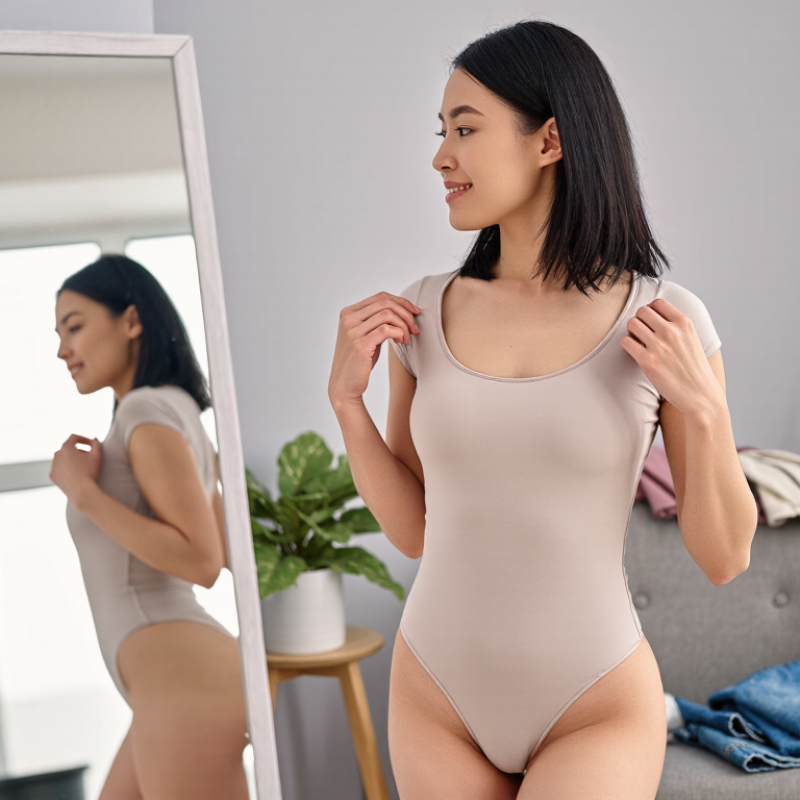
Why Is My Bodysuit Uncomfortable How Can I Wear It Better?

Why Bodysuits Feel Uncomfortable: Common Causes and Fit Problems

Why Is My Bodysuit Uncomfortable? How Can I Wear It Better?

Bodysuits often feel uncomfortable because the fit is wrong, not because the style is unsuitable. A short torso can pull the fabric upward and create pressure at the crotch. A long torso may cause loose fabric, bunching, or weak support around the waist. Tight armholes can restrict movement, while a narrow neckline may rub the shoulders. Seams, snaps, and rough fabric can also irritate sensitive skin. It should feel secure, not restrictive.

I have noticed that many people choose their usual size without checking the garment’s stretch. This can be a mistake. Measure your torso, chest, and hips, then compare them with the size chart. Try sitting, bending, and lifting your arms before removing the tags. If snaps dig into your skin, the rise may be too short. If the fabric folds under your bust, the cut may not match your body shape. Sometimes, a different fabric solves more than a larger size.

Tips: Choose soft, breathable fabric for long wear. Wear seamless underwear to reduce visible lines and rubbing. Adjust the straps before judging the fit. Leave enough room for comfortable movement. If the bodysuit still pinches after several minutes, do not force it. A tailor may adjust minor issues, but major pulling usually means the design is unsuitable.

How to Choose the Right Bodysuit Size, Shape, and Fabric

A bodysuit should feel secure, not restrictive. In my fitting experience, discomfort often comes from the wrong torso length, not a small bust measurement. Measure your bust, waist, hips, and shoulder-to-crotch length. Compare all four measurements with the size chart. If your torso is long, choose a longer cut or adjustable fastening. Do not automatically size down for a sharper silhouette.

Shape matters as much as size. A high-leg design can lengthen the body, but it may pull across the hips. A full-coverage bottom usually feels calmer during sitting and walking. Check the neckline, armholes, and gusset before judging the fit. Textile Exchange’s Materials Market Report 2024 estimates that polyester represented about 57% of global fiber production in 2023. It offers stretch and quick drying, but can feel warm. Cotton blends feel softer, while elastane improves recovery. The right balance depends on your skin and daily movement.

Tips: Try the bodysuit over bare skin for ten minutes. Sit, raise both arms, and walk several steps. Red marks suggest pressure, not support. A 2023 National Retail Federation and Appriss Retail report found that 14.5% of U.S. retail sales were returned. Fit is not the only reason, but careful measuring can prevent avoidable returns. I still sometimes choose comfort over a perfect outline. That is probably the better mistake.

Why Is My Bodysuit Uncomfortable? How Can I Wear It Better?

Typical fabric stretch targets by body area can help you choose a bodysuit that moves comfortably without excessive compression.

Use these practical reference ranges as a fitting guide: higher stretch is generally helpful around the waist and torso, while the correct size should still allow comfortable breathing, sitting, and movement.

How to Put On a Bodysuit Correctly for a Better Fit

A bodysuit can feel uncomfortable when it is put on in the wrong order. Start with the snaps undone. Step into the leg openings, rather than pulling the garment over your head. Guide each foot through gently, then pull the fabric upward over your calves, thighs, and hips. Use flat palms. Avoid grabbing one narrow panel, which can overstretch the fabric.

Next, place your arms through the openings and settle the shoulder seams. Adjust the straps until they sit securely without pressing into your skin. The gusset should lie flat, not twist between your legs. Fasten the snaps while standing naturally. If you must pull hard, the bodysuit may be too short or too small. According to the 2023 NRF–Appriss Retail Returns Report, an estimated 14.5% of U.S. retail sales were returned, showing how fit problems affect purchasing decisions. A better fitting routine can prevent some of that waste.

Check the neckline, waist, and leg openings in a mirror. Sit down, bend, and walk a few steps. The fabric should move without riding upward. I used to tighten straps immediately, but that sometimes created pressure instead of support. Loosen them, smooth the fabric, and reassess. Small wrinkles under the bust or at the hips can signal uneven distribution. Give it one more adjustment. Perfect comfort is not always immediate.

Ways to Improve Bodysuit Comfort Throughout the Day

A comfortable bodysuit begins with the right fit, not a tighter fit. Measure your bust, waist, and torso before choosing a size. A short torso can cause pulling at the shoulders and pressure near the snaps. A long torso may create loose fabric and unwanted folds. Fit matters most.

Choose soft, breathable fabric for long days, especially in warm offices or crowded commutes. Flat seams can reduce rubbing around the shoulders, waist, and leg openings. Check the snap closure while standing, sitting, and walking. It should stay secure without pressing into your skin. Small changes help. Wear seamless underwear if visible lines or extra friction bother you. You can also add a thin, smooth layer beneath the bodysuit, but avoid bulky fabrics that trap heat. Adjust the shoulder straps before leaving home, then test your full range of motion. I used to ignore mild pulling because the outfit looked polished. By afternoon, my shoulders felt tired, and the discomfort was harder to fix. Taking short movement breaks can help, even if you only stretch beside your desk. Wash the garment according to its care instructions, since heat can affect stretch and shape. If itching, numbness, or persistent pain continues, stop wearing it and consider professional medical advice. Comfort is personal, and one fabric that feels smooth to me may feel restrictive to someone else.

When to Replace a Bodysuit or Seek a Better Alternative

A bodysuit should feel secure, not restrictive. If the gusset pulls when you sit, the torso may be too short. Persistent pressure around the shoulders, hips, or crotch is a practical sign to reconsider the fit. In my fitting experience, sizing up does not always solve the problem. It can create loose fabric while the main tension remains. Check the seams after wearing it for an hour. Red marks, numbness, chafing, or limited breathing deserve attention, not endurance.

Tips: Try the bodysuit with the underwear and trousers you usually wear. Walk, bend, and sit before removing the tags. Look for a softer gusset, adjustable straps, or a longer torso cut. Wash it according to the care label, because heat can shrink stretchy fibers. Small changes help.

Replace a bodysuit when the fabric stays stretched, the snaps no longer align, or the elastic feels brittle. A persistent odor after proper washing may also indicate worn fibers or trapped moisture. Do not ignore repeated skin irritation. A fragrance-free moisturizer may reduce mild friction, but broken skin needs time and professional medical advice. If the design consistently fights your body, choose a camisole, tucked-in top, or another flexible layer. That is not a failure of your body. My own mistake was keeping an uncomfortable garment because it looked good on the hanger. Comfort is useful evidence.

Why Is My Bodysuit Uncomfortable How Can I Wear It Better? - When to Replace a Bodysuit or Seek a Better Alternative

Discomfort or Fit Issue Common Reason What to Try First When to Replace or Change Style Practical Fit Check
Shoulder straps dig in The straps may be too tight, too narrow, or carrying excess tension because the torso is too short. Loosen adjustable straps and check whether the bodysuit has enough length through the torso. Replace it if the straps still leave painful marks or cause numbness after adjustment. Consider a wide-strap or long-torso design. You should be able to slide a finger under each strap without strong pressure.
Snapping or pinching at the crotch The bodysuit may be too short in the torso, or the snaps may be positioned too closely for your body shape. Wear underwear underneath if the construction allows it, and avoid forcing the snaps closed. Seek a longer-torso, gusseted, or adjustable-snap alternative if pressure continues or the snaps pop open. The crotch should lie flat without pulling upward when you sit, bend, or walk.
Tightness around the waist or hips The garment may be undersized, highly compressive, or made from fabric with limited stretch. Check the size chart using current body measurements rather than your usual clothing size. Replace it if breathing, sitting, or normal movement is restricted. Choose a softer stretch fabric or a less compressive cut. The fabric may feel supportive, but it should not create severe rolling, bulging, or persistent pressure.
Rolling edges or fabric riding up The garment may be too small, the elastic may have weakened, or the leg openings may not suit your proportions. Smooth the fabric evenly and avoid folding or tucking excess material under the garment. Replace it when rolling remains after washing according to the care label or when elastic no longer recovers. Edges should stay in place during ordinary movement without cutting into the skin.
It feels hot, itchy, or irritating Heat, sweat, rough seams, dyes, detergents, or sensitivity to particular fibers can cause irritation. Wash the garment before wearing it, use a fragrance-free detergent, and keep the skin dry and clean. Stop wearing it if irritation persists. Choose breathable fabric, flat seams, or a different fiber. Seek medical advice for a spreading rash or swelling. Redness that does not fade soon after removal indicates that the garment may not be suitable.
Lines show under clothing Thick seams, bulky fasteners, textured fabric, or an unsuitable size can create visible outlines. Check that the garment is fully smoothed and select underwear with minimal seams if appropriate. Choose a seamless or laser-cut alternative if visible lines remain important for your outfit. Test the bodysuit under the intended clothing in natural and seated positions.
Fasteners are difficult to close The garment may be too tight, the snaps may be misaligned, or the hardware may be damaged. Align the fasteners carefully and check for trapped fabric before applying gentle pressure. Replace the garment if hardware is sharp, loose, broken, or repeatedly opens during wear. Never use force that could damage the fabric or cause skin injury.
Loss of shape or support Repeated washing, high heat, friction, and normal wear can reduce elastic recovery. Follow the care label, avoid unnecessary high heat, and allow the garment to dry fully before storage. Replace it when fabric remains stretched out, becomes thin, develops holes, or no longer stays in place. A simple stretch-and-release check can reveal whether the fabric returns close to its original shape.
Movement feels restricted The cut may not match your torso length, bust, hips, or preferred level of compression. Try the garment while walking, sitting, reaching, and bending before deciding whether the fit works. Choose separates, a relaxed-fit bodysuit, or an alternative with adjustable coverage if movement remains limited. Comfortable everyday wear should allow normal breathing and movement without persistent pain.

General rule: A bodysuit should feel secure but not painful. Remove it if you experience numbness, significant skin discoloration, breathing difficulty, or ongoing irritation, and consider professional medical advice when symptoms continue.

FAQS

How should I measure for the right bodysuit size?

Measure your bust, waist, hips, and shoulder-to-crotch length. Compare all four measurements with the size chart. Torso length matters more than many people expect.

What if my torso is long or short?

Choose a longer cut or adjustable fastening for a long torso. A short torso may cause shoulder pulling and pressure near the snaps. The fit should feel secure, not restrictive.

Should I choose a smaller size for a sharper shape?

No. Sizing down can create pressure, red marks, and uncomfortable pulling. A smooth outline is not worth constant discomfort.

Which bodysuit shape feels most comfortable?

A high-leg design can make the body look longer, but it may pull across the hips. Full coverage usually feels calmer while sitting and walking. Check the neckline, armholes, and gusset too.

Which fabrics work best for daily wear?

Cotton blends often feel soft against the skin. Elastane helps the fabric recover after movement. Synthetic fibers can stretch and dry quickly, but they may feel warm.

How can I test a bodysuit before wearing it outside?

Try it over bare skin for ten minutes. Sit, raise both arms, and walk several steps. Watch for red marks, numbness, itching, or pressure.

How can I reduce rubbing during a long day?

Look for flat seams around the shoulders, waist, and leg openings. Seamless underwear may reduce visible lines and friction. Avoid bulky layers that trap heat.

How should I check the closure and care for the garment?

Test the snaps while standing, sitting, and walking. They should stay secure without pressing into your skin. Follow the care label, because high heat can damage stretch and shape.

What should I do if the bodysuit becomes painful?

Stop wearing it if pain, itching, or numbness continues. Consider professional medical advice. I sometimes chose a polished outline over comfort, and regretted it by afternoon.

Conclusion

A bodysuit can feel uncomfortable when the size, cut, fabric, or fastening does not suit your body. Tight shoulders, riding fabric, pinching at the crotch, and poor breathability are common signs of an unsuitable fit. Choosing the correct size, a shape that matches your proportions, and soft, flexible fabric can make a significant difference. Consider the garment’s stretch, neckline, leg openings, and closure design before buying, rather than relying only on the usual size label.

Learning how to wear a bodysuit without it being uncomfortable also depends on putting it on carefully. Adjust the fabric evenly, make sure the seams sit flat, and fasten it without pulling or twisting. During the day, breathable underwear, gentle layering, and occasional adjustments can improve comfort. If the material remains restrictive, irritates your skin, or loses its shape, it may be time to replace the bodysuit or choose a more supportive alternative.

Ethan

Ethan

Ethan is a seasoned marketing professional with a deep expertise in our company's innovative product line. With a passion for sharing knowledge and insights, he takes the lead in regularly updating our corporate blog, where he explores industry trends, product features, and effective marketing......