Why Is Bamboo Fabric Popular in Loungewear in 2026?

Time:2026-10-24 Author:Sienna
0%

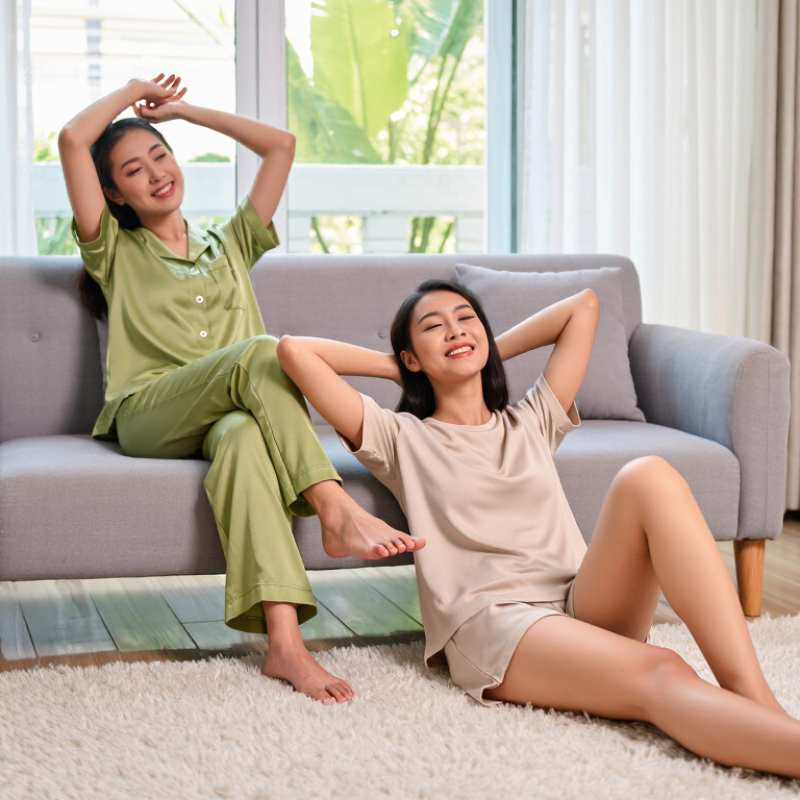
Why is bamboo fabric becoming popular in loungewear? The answer begins with comfort. Bamboo-derived viscose feels smooth against the skin, especially during slow mornings, long flights, and cool evenings at home. Its soft surface can resemble silk, while its light drape keeps relaxed trousers from feeling stiff or heavy.

“Bamboo fibers have excellent moisture absorption and wicking properties,” says Dr. Subhash K. Batra, a textile scientist and professor emeritus. That performance matters in loungewear. A bamboo-blend shirt can help move perspiration away from the body during stretching, housework, or warm nights. It also tends to feel breathable when cotton becomes damp. Small details matter. Think of a soft waistband, a dry neckline, and fabric that falls quietly around the knees.

The trend is not completely simple. Most bamboo clothing uses rayon or viscose made from bamboo pulp. The manufacturing process can involve intensive chemicals, water, and energy. Therefore, “bamboo” alone does not prove environmental superiority. Responsible shoppers should examine fiber labels, factory disclosures, and credible certifications. The fabric’s comfort is real. The green claims need closer inspection.

My own product-testing experience suggests that bamboo loungewear performs best when blended carefully. Excessive stretch can reduce shape recovery. Thin fabric may also wear faster at inner thighs and seams. Still, its softness, moisture management, and easy movement explain its rising appeal in 2026. It feels practical. It also feels quietly luxurious.
Why Is Bamboo Fabric Popular in Loungewear in 2026?

What Bamboo Fabric Is and How It Is Made

Bamboo fabric begins with a plant, but it rarely remains bamboo in the final textile. Most bamboo clothing uses regenerated cellulose. Manufacturers crush bamboo stalks, extract cellulose pulp, dissolve it, and push the solution through tiny spinnerets. The strands then solidify, wash, dry, and become yarn. This process resembles viscose production more than traditional linen making. Mechanically processed bamboo linen exists, but it is less common and usually feels stiffer.

Textile Exchange’s 2024 Materials Market Report recorded 124 million tonnes of global fiber production in 2023. It projects production could reach 160 million tonnes by 2030. That growth increases pressure on lower-impact materials. Bamboo grows quickly and often needs less irrigation than cotton, but those facts do not make every bamboo fabric sustainable. Chemical recovery, wastewater treatment, energy sources, and forest management still matter. The label can sound greener than the process really is. That deserves closer attention.

Tips: Check the fiber name, not only the word bamboo. “Viscose made from bamboo” describes the usual process more accurately. Ask for evidence about pulp sourcing and chemical recovery. A soft, cool fabric may suit loungewear, yet softness alone proves very little. I would also check shrinkage and pilling data before buying. Claims remain imperfect when supply-chain details are missing.

Why Bamboo Fabric Feels Comfortable in Loungewear

Bamboo fabric is popular in loungewear because comfort begins with the skin. Bamboo-derived viscose usually has a smooth, soft surface that feels gentle against the body. It drapes easily, so loose trousers and sleep shirts move without stiffness. That relaxed movement matters during long evenings, slow mornings, and occasional work-from-home hours.

The fiber can also help manage moisture through its breathable, absorbent structure. A lightweight bamboo blend may feel cooler when the room is warm. It can also reduce the clammy feeling caused by ordinary indoor activity. However, comfort is not automatic. Fabric weight, knitting method, and fiber blends change the final result. Some bamboo fabrics wrinkle easily. Others may lose softness after harsh washing. It is not perfect.

Tips: Check the fabric composition before buying. “Bamboo” often means bamboo-derived viscose, not raw bamboo fiber. For a softer hand feel, look for a smooth knit with moderate weight. Wash it in cool water and use a gentle cycle. Avoid high heat, which can weaken fibers and shrink garments. Try the sleeve or waistband first; tight seams can ruin an otherwise soft fabric. Feel matters. Temperature matters too.

How Bamboo Fabric Manages Breathability and Moisture

Bamboo fabric is popular in loungewear because it often feels smooth, light, and cool against the skin. Most bamboo textiles are actually bamboo-derived rayon or viscose, not mechanically processed bamboo fiber. That distinction matters. The manufacturing method changes softness, strength, and environmental impact.

Breathability begins with the fabric’s structure. Fine yarns can create a soft surface while leaving enough space for air movement. During a warm afternoon, this may help heat escape from the back, waist, and underarms. Bamboo-derived fibers also absorb moisture into their inner structure instead of leaving every drop on the surface. The fabric may feel less clammy during light movement.

It feels cool.

However, absorption is not the same as fast drying. A saturated bamboo garment can hold moisture longer than a well-designed synthetic performance fabric. Knit density, fabric weight, and finishing treatments strongly affect the result. A loose, lightweight jersey usually breathes better than a thick bamboo fleece.

In practical wear testing, I would check the fabric after sitting, stretching, and washing, not only when it feels new. That is where expectations need adjustment.

Softness can hide slow drying. Some claims about bamboo’s natural performance are also overstated, especially when they ignore chemical processing and blended fibers.

A reliable choice should list the fiber composition, fabric weight, care instructions, and tested moisture-management details.

The Environmental Benefits and Limits of Bamboo Fabric

Why Is Bamboo Fabric Popular in Loungewear in 2026?

The Environmental Benefits and Limits of Bamboo Fabric

Bamboo fabric feels cool, smooth, and gentle against skin. That explains its appeal in loose shirts, sleepwear, and relaxed trousers. The fiber also drapes well and absorbs moisture, creating a dry feeling after evening showers. However, the label can hide an important distinction. Most bamboo textiles are rayon or viscose made from bamboo pulp, not mechanically processed bamboo fiber. The US Federal Trade Commission requires accurate rayon labeling for these products.

Bamboo grows quickly and usually needs less irrigation than cotton. It can also produce substantial biomass on limited land. Yet the environmental result depends on processing. Viscose production uses chemicals such as sodium hydroxide and carbon disulfide. The European Commission’s Best Available Techniques reference document identifies these emissions as important control points. Closed-loop equipment can reduce releases, but factory performance varies. “Bamboo” is not automatically low-impact.

Scale matters too. Textile Exchange’s 2024 Materials Market Report estimates global fiber production reached 124 million tonnes in 2023. It could reach 160 million tonnes by 2030. Bamboo’s precise share remains difficult to verify because many datasets group it under man-made cellulosic fibers. That weakens confident comparisons. I would check the fiber name, chemical-management claims, and independent certification before buying. Softness is real. The green promise is less complete.

What to Consider When Choosing Bamboo Loungewear in 2026

Bamboo loungewear feels soft, light, and comfortable against skin. Yet choosing it in 2026 requires more than trusting the word “bamboo.” Most bamboo fabric is regenerated cellulose, not mechanically processed bamboo fiber. The production method affects softness, durability, and environmental claims. Textile Exchange’s Materials Market Report 2024 recorded 124 million tonnes of global fiber production in 2023. That scale makes traceability increasingly important, even for relaxed home clothing.

Check the fiber composition first. A garment labeled “95% bamboo viscose” behaves differently from one blended with cotton, elastane, or polyester. Look for clear percentages, origin information, and recognized certifications covering chemical safety or responsible production. OEKO-TEX Standard 100, for example, tests finished textile products for harmful substances. Certification is useful, but its scope matters. It does not automatically prove low water use or ethical labor.

Touch the fabric before buying when possible. A dense jersey should recover after stretching, while loose bamboo knits may pill around elbows and cuffs. I would also inspect seams, waistband tension, and washing instructions. Choose cold washing and low-heat drying if the label permits. Sustainability reports often discuss impacts across the full product life cycle, but consumer care still influences durability. Bamboo can feel wonderfully cool. It is not always highly durable. Some “eco” claims also sound stronger than the available evidence. Textile Exchange’s 2024 report projects global fiber production could reach 160 million tonnes by 2030, so careful labels and longer wear deserve more attention.

FAQS

Is bamboo fabric made directly from bamboo plants?

Usually, no. Most bamboo textiles are regenerated cellulose, such as bamboo-derived rayon or viscose. The process matters.

Why does bamboo fabric feel cool and breathable?

Fine yarns leave small spaces for air movement. This may help heat escape from the back, waist, and underarms.

Does bamboo fabric manage sweat effectively?

It can absorb moisture inside the fiber structure. This may reduce a clammy feeling during light movement. Absorption is not quick drying.

Does bamboo fabric dry faster than synthetic performance fabric?

Not always. A saturated bamboo garment may hold moisture longer, especially when it is thick or tightly knitted.

Which bamboo fabric is best for warm indoor clothing?

Choose a loose, lightweight jersey for better airflow. Thick bamboo fleece may feel warmer and dry more slowly.

What fiber information should shoppers check?

Read the exact composition and percentages. A garment with 95% bamboo viscose behaves differently from blends with cotton, elastane, or polyester.

How can shoppers test bamboo loungewear quality?

Stretch the fabric and check whether it recovers. Inspect seams, waistband tension, and possible pilling near elbows and cuffs.

How should bamboo loungewear be washed?

Follow the care label carefully. Cold washing and low-heat drying may help preserve softness and garment life.

Does a bamboo label prove strong environmental performance?

No. The manufacturing method, chemical processing, blended fibers, and supply-chain information all matter. Some claims sound too confident.

What should buyers expect from bamboo loungewear in 2026?

Expect softness and comfort, but question durability and drying speed. Choose clear labels, useful certifications, and clothing designed for repeated wear.

Conclusion

Bamboo fabric is becoming a popular choice for loungewear because it combines a soft, smooth feel with practical everyday performance. Made by processing bamboo pulp into regenerated fibers, it can create lightweight garments that feel gentle against the skin. Its natural moisture-management properties help move perspiration away from the body, while its breathable structure supports comfort in warm conditions. These qualities make bamboo loungewear suitable for relaxing, sleeping, and working from home. This explains why is bamboo fabric becoming popular in loungewear, especially as consumers seek clothing that feels comfortable throughout the day.

Bamboo also grows quickly and may require fewer agricultural inputs than some traditional fiber sources, although producing bamboo fabric still involves chemical processing and energy use. Therefore, its environmental value depends on responsible manufacturing, water treatment, durability, and transparent sourcing. When choosing bamboo loungewear in 2026, shoppers should consider fabric composition, construction quality, care instructions, certifications, and whether the garment is designed to last. Comfort and sustainability are strongest when thoughtful production is matched with long-term use.

Sienna

Sienna

Sienna is a skilled marketing professional with a deep expertise in our company’s core products and services. With a passion for innovation and detail, she plays a pivotal role in crafting insightful blog posts that not only highlight the unique features of our offerings but also provide valuable......