
Analyzing the structural, technical, and logistical dimensions of sourcing ties and premium fashion from the world's most robust garment cluster.
For corporate purchasing managers, procurement directors, and high-end fashion brands, sourcing ties from premier Chinese manufacturers represents more than just a cost-efficiency initiative. China’s tie manufacturing sector—centered in specialized clusters such as Zhejiang Province and Pearl River Delta hubs like Dongguan—delivers unmatched infrastructure. This infrastructure combines precision jacquard weaving, advanced screen printing, digital customization, and an integrated supply chain that reduces lead times from months to weeks.
Whether you require silk neckties with intricate micro-patterns, high-durability polyester corporate ties, or eco-conscious apparel lines, Chinese factories leverage automated machinery and decades of operational experience to ensure absolute compliance with global quality guidelines.
Understanding our philosophy, quality systems, and manufacturing vision in the global fashion ecosystem.
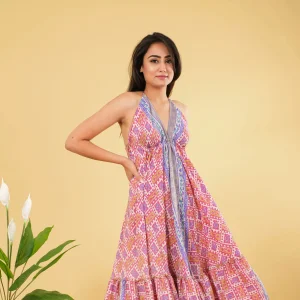
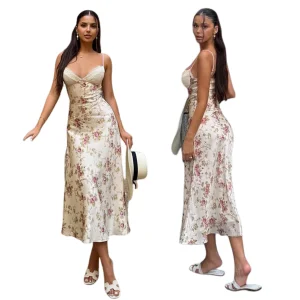
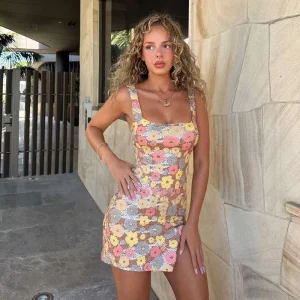
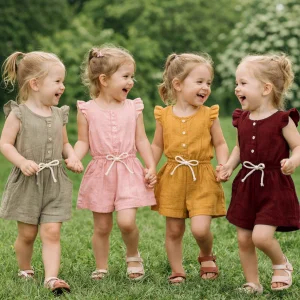
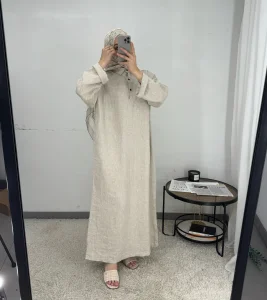
Since its establishment, Dongguan Bever Beauty Co., Ltd. has always adhered to the philosophy of “the perfect fusion of design and manufacturing”, and is committed to continuous excellence in the women’s apparel industry. With strong capabilities in both creative design and production management, the company focuses on delivering fashionable, high-quality, and practical women’s clothing to global customers.
Dongguan Bever Beauty Co., Ltd. is dedicated to providing women with stylish and functional clothing through innovative design concepts and carefully selected fabrics. We believe that clothing is more than just daily wear—it is a reflection of confidence, individuality, and personal style.
Each piece is thoughtfully designed and strictly controlled throughout the production process, from concept development to final manufacturing. Our goal is to ensure that every product meets high standards in design detail, fabric quality, and wearing experience, while continuously adapting to evolving fashion trends.
Dongguan Bever Beauty Co., Ltd. places strong emphasis on quality management, ethical production, and supply chain transparency. The company has obtained multiple internationally recognized certifications, including:
These certifications reflect our commitment to responsible manufacturing practices and consistent product quality. Through a well-structured production system and strict quality inspection standards, we ensure that every garment meets international requirements and customer expectations.
Looking forward, Dongguan Bever Beauty Co., Ltd. will continue to focus on women’s fashion apparel, strengthening its capabilities in design innovation, fabric development, and manufacturing excellence. We aim to deliver more versatile and fashionable clothing solutions that empower women to express their style with confidence in every moment.
An interactive, module-based tour of our physical factory workflows, ensuring rigorous quality controls at every operational step.
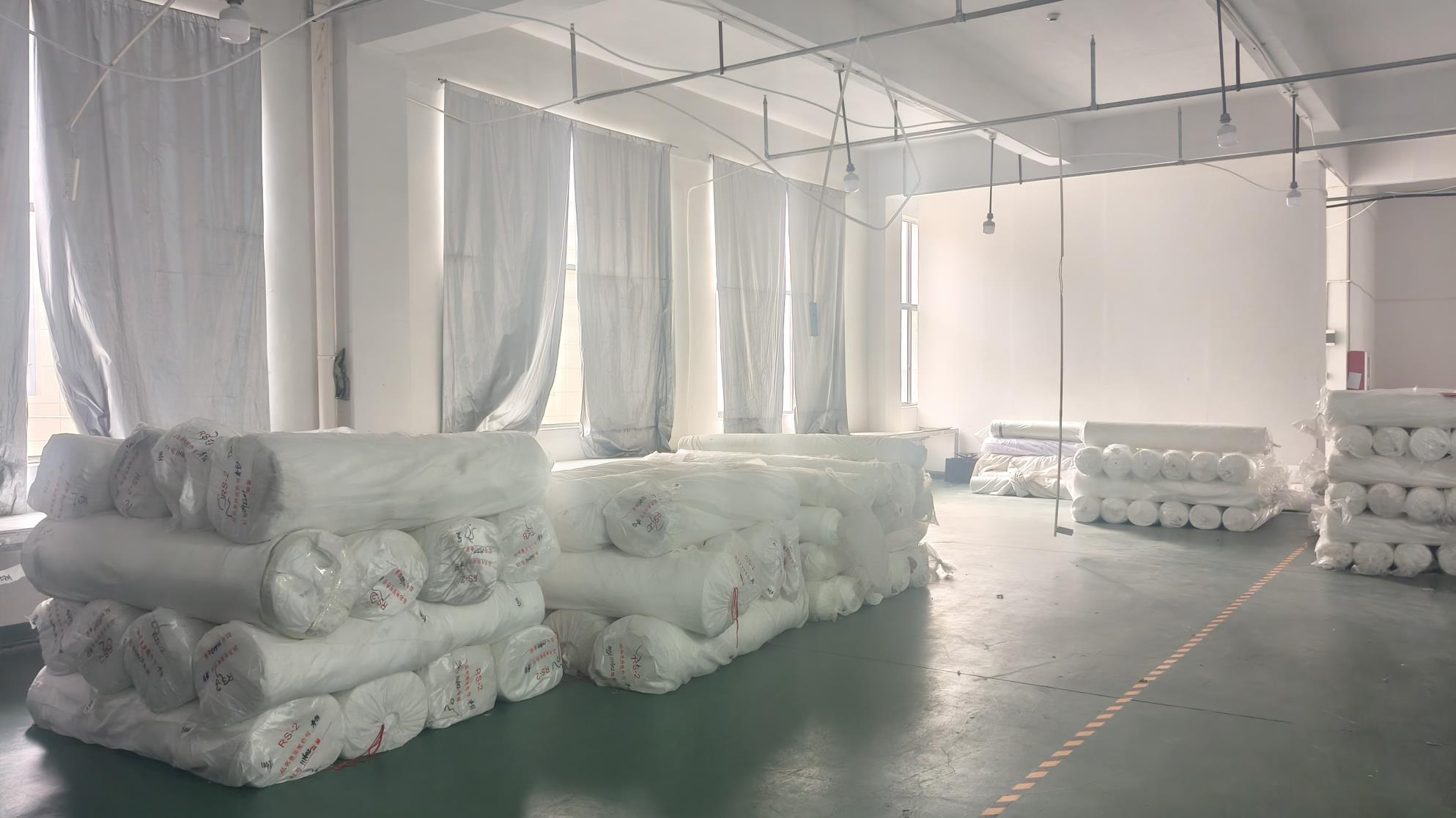
Ensuring optimal temperature and humidity controls for raw yarns, silk rolls, and premium synthetic fibers to prevent structural damage.
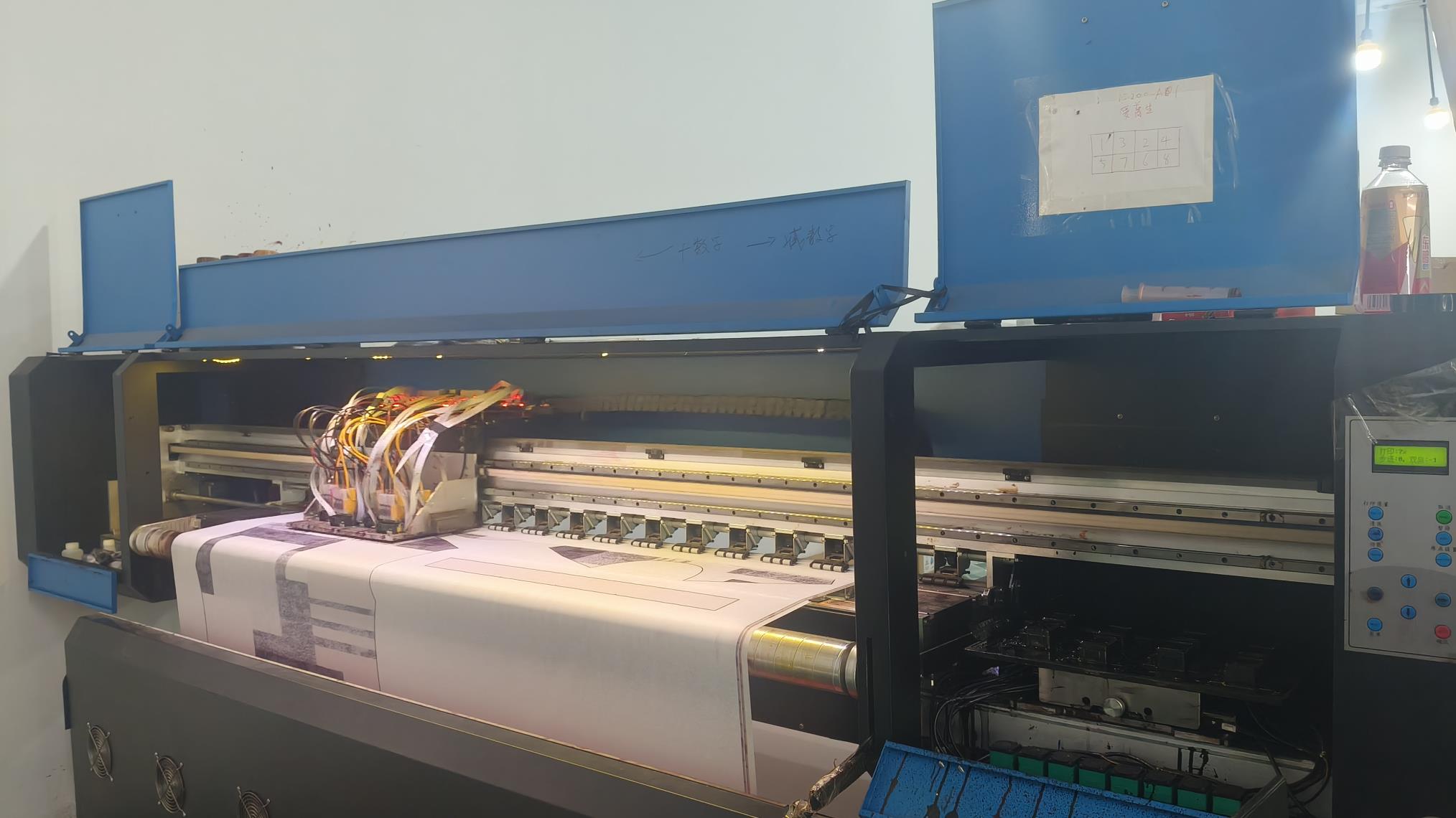
Utilizing precision ink deposition on specialized fabrics, catering to intricate graphic patterns with vibrant color clarity.
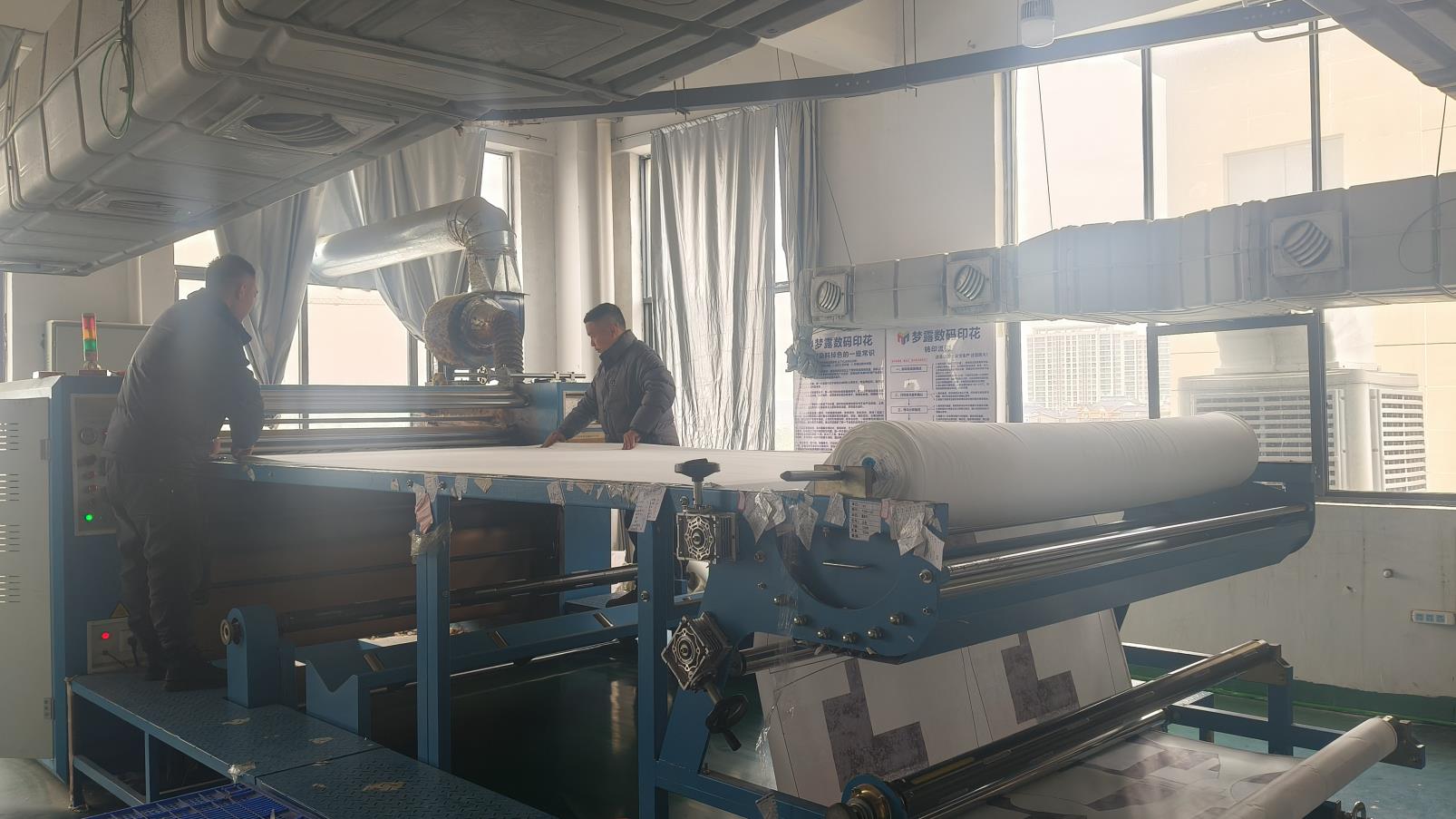
Thermo-bonding patterns to synthetic blends, creating highly wash-resistant colors and sharp modern contrasts.
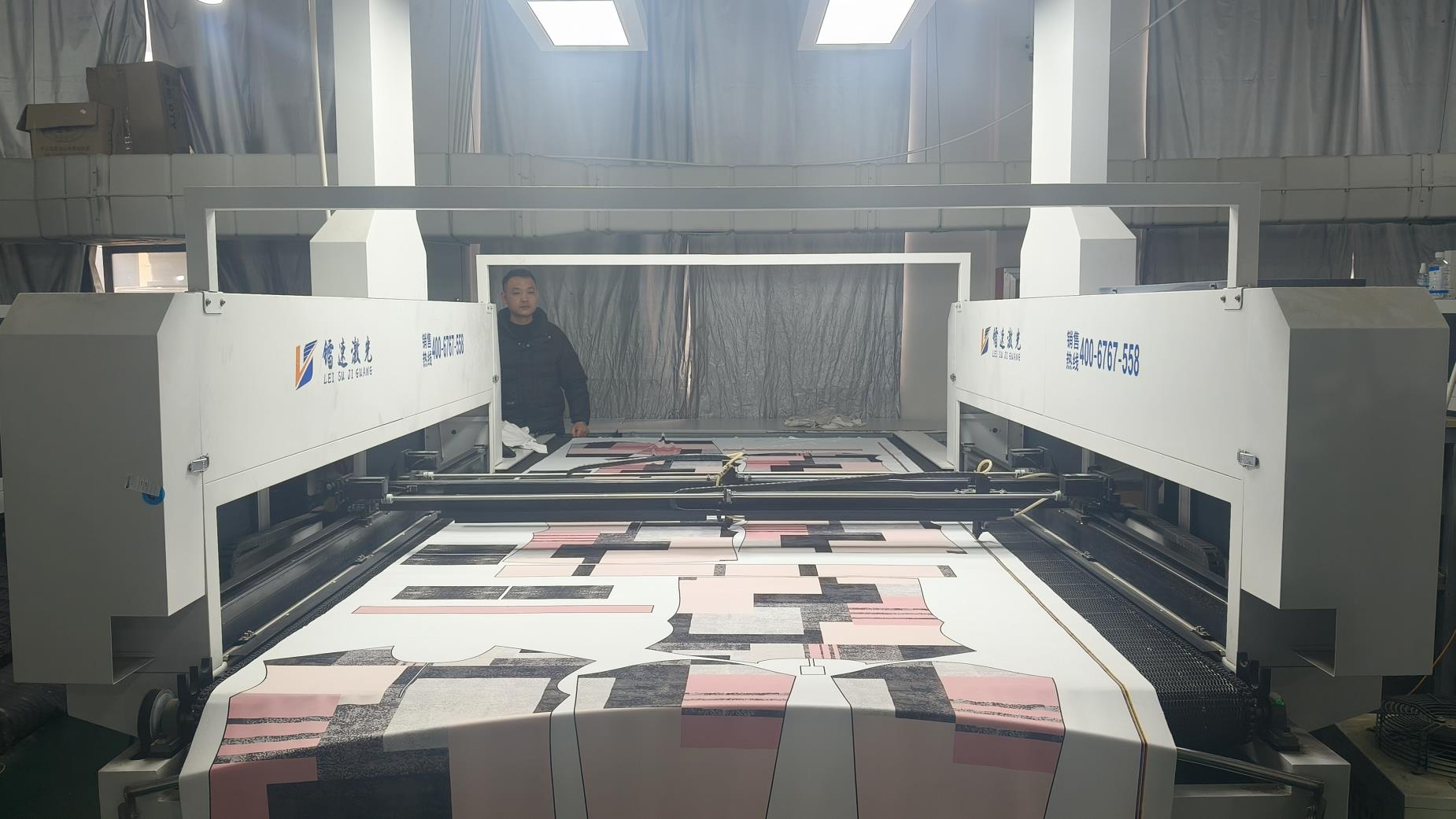
Automated cutting systems providing micron-level precision, preventing fabric fraying and ensuring highly accurate sizing panels.
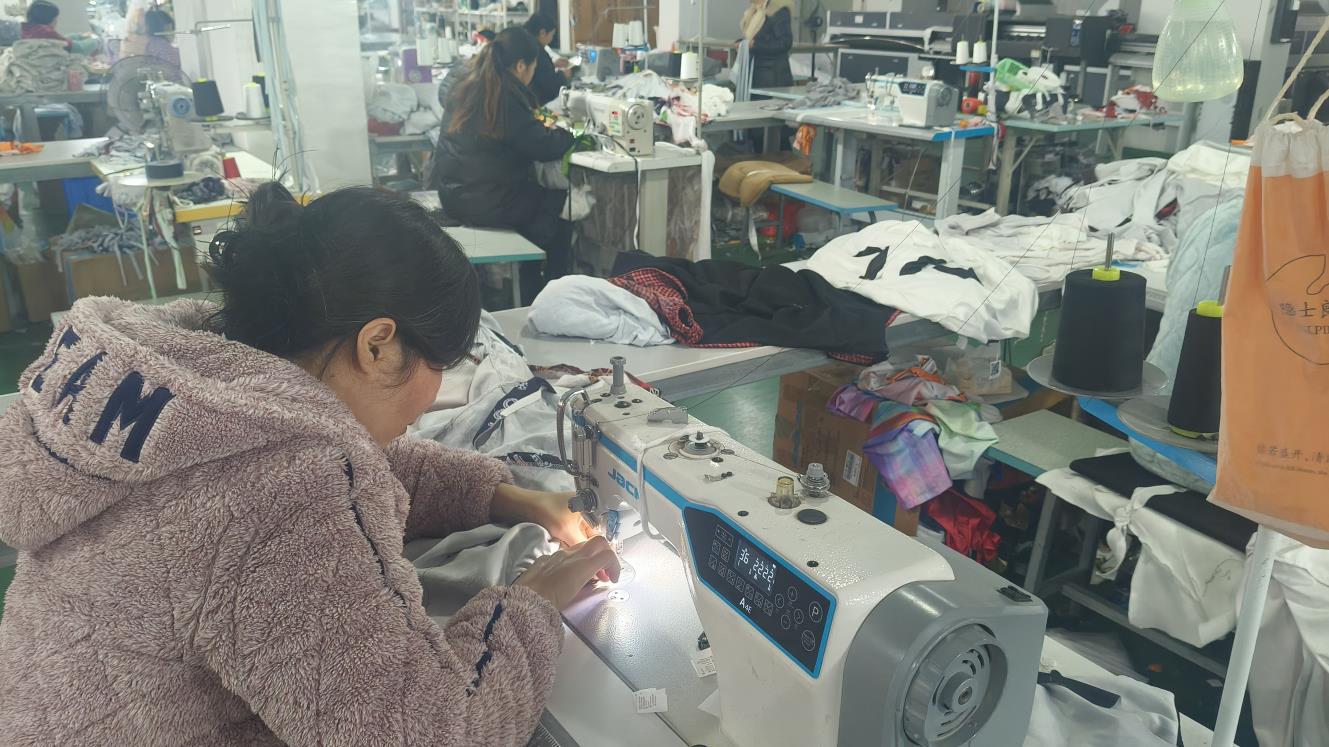
Highly skilled tailors assembly, using specialized threads and stitch densities for long-lasting structural integrity.
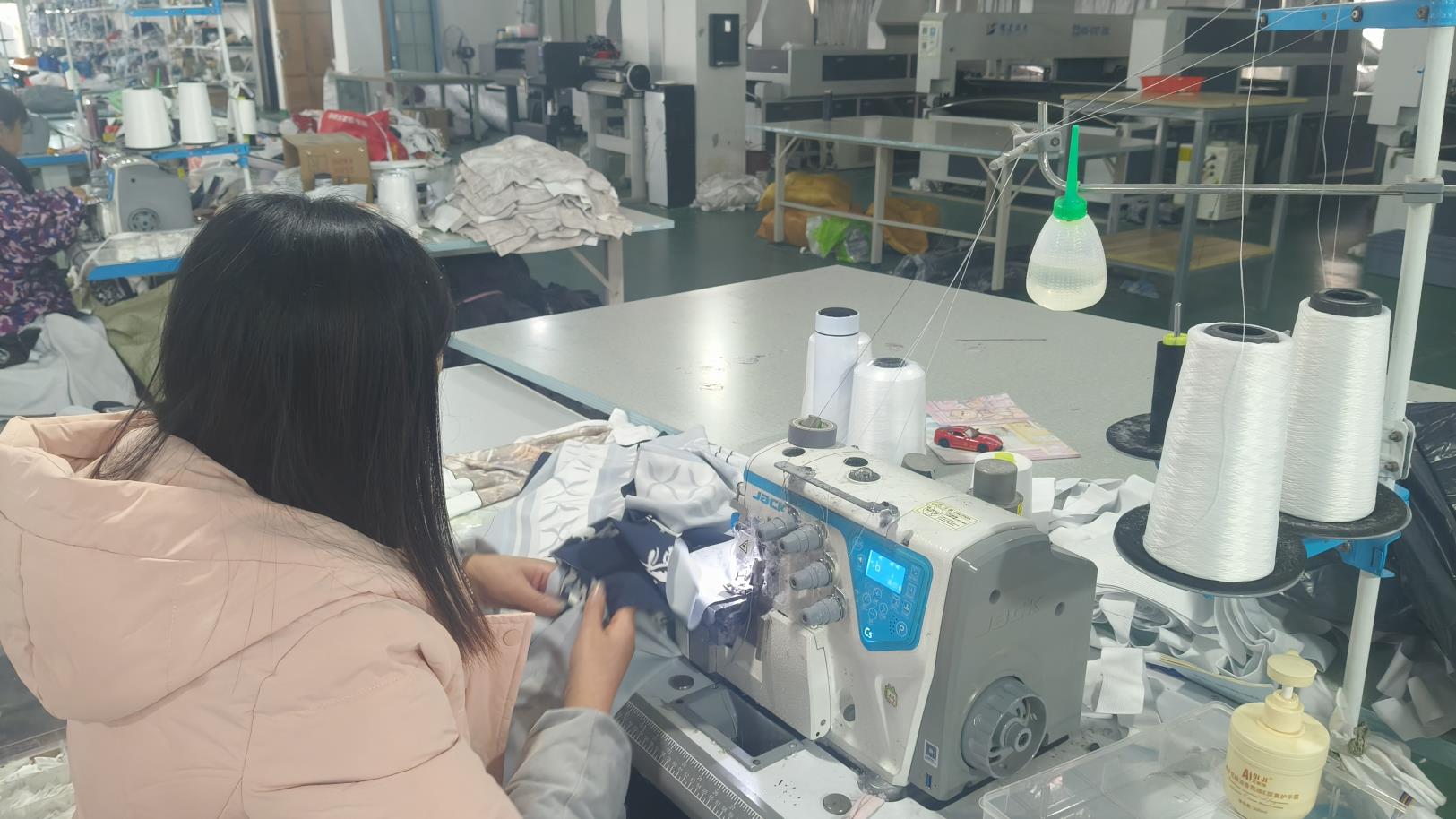
Specialized edge finishing to guarantee that seams remain locked and clean under structural wear and tension.
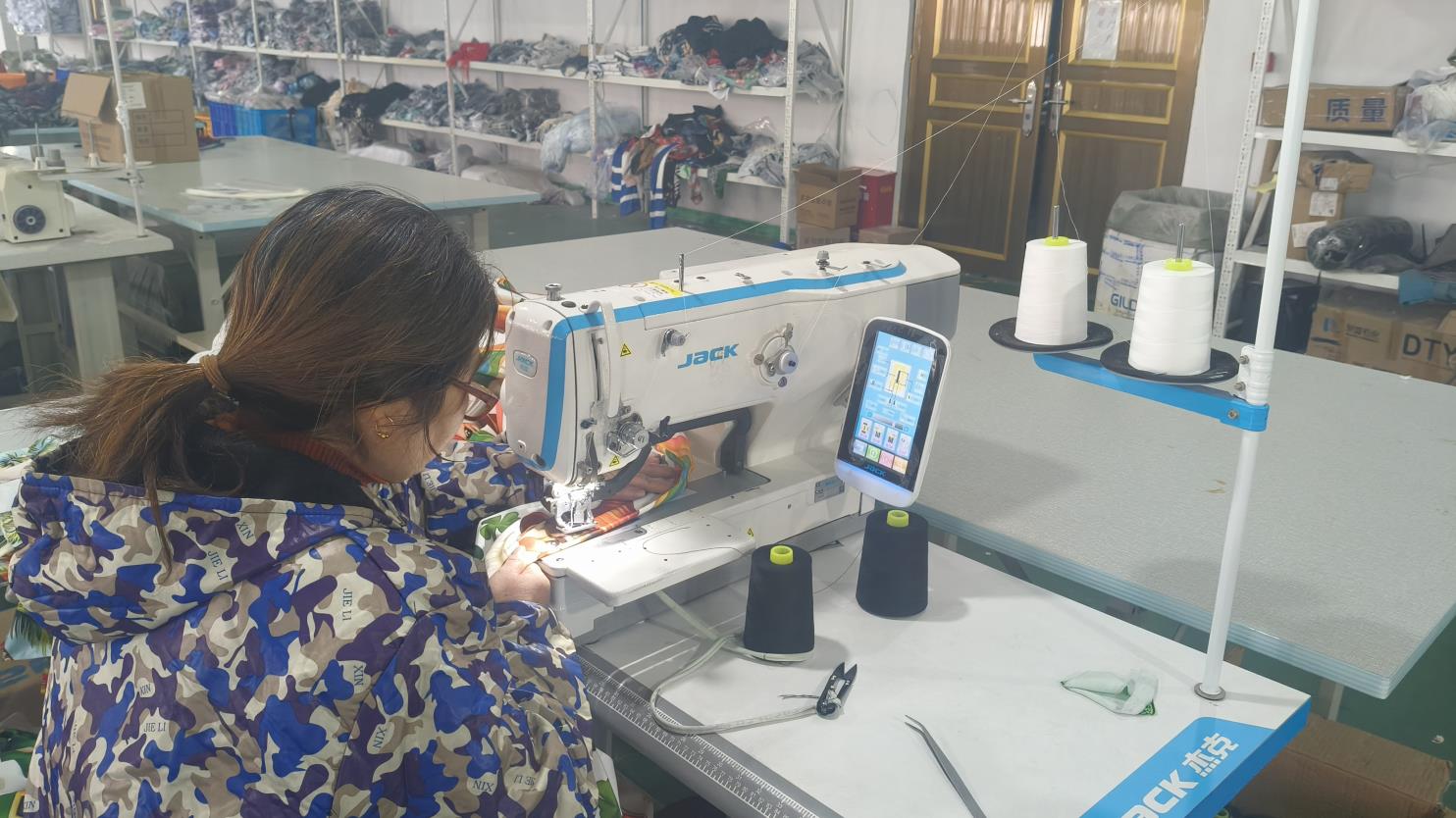
Reinforced mechanical stitching ensuring fasteners, buttons, and custom hardware are anchored securely.
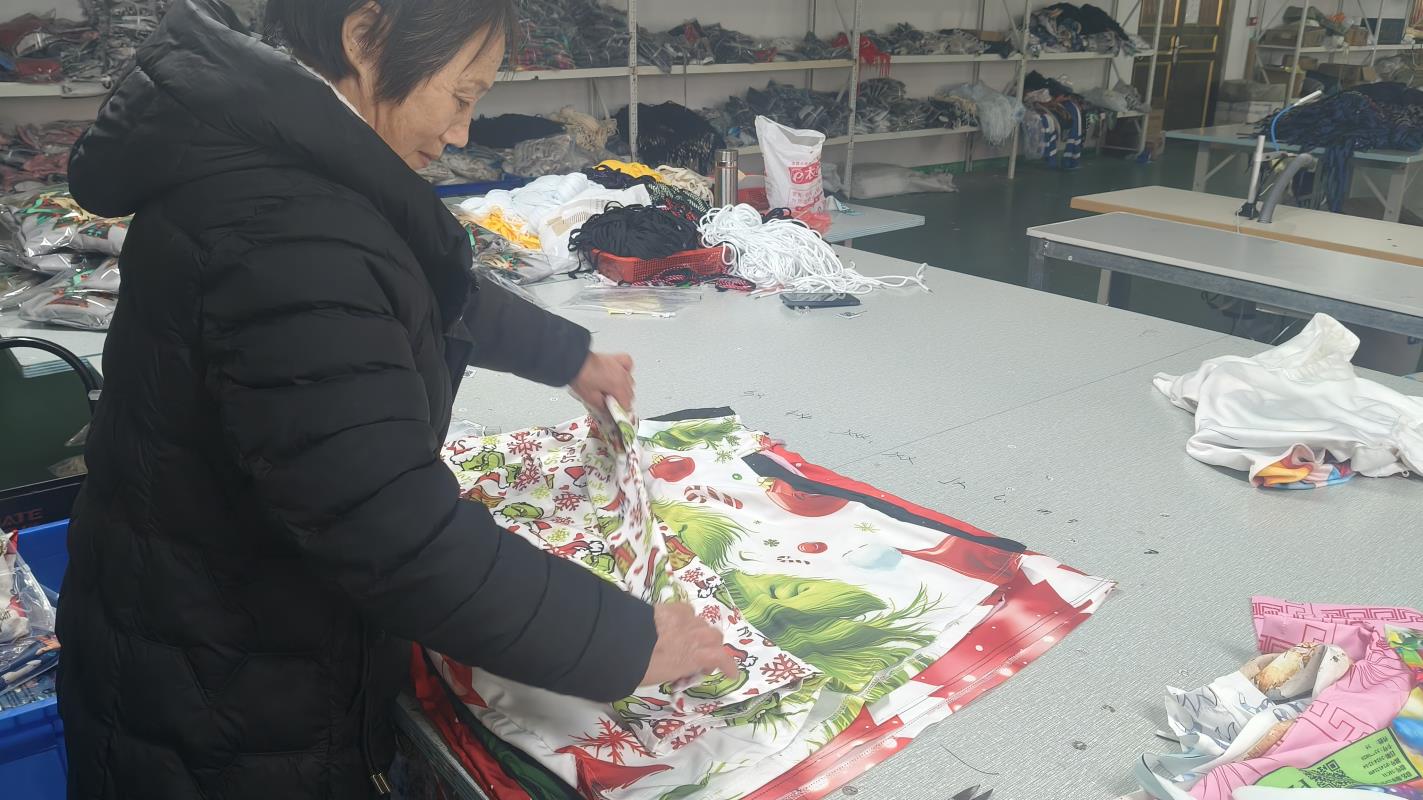
Rigorous 100% item visual check, measuring seams, stitch counts, color match tolerances, and structural symmetry.
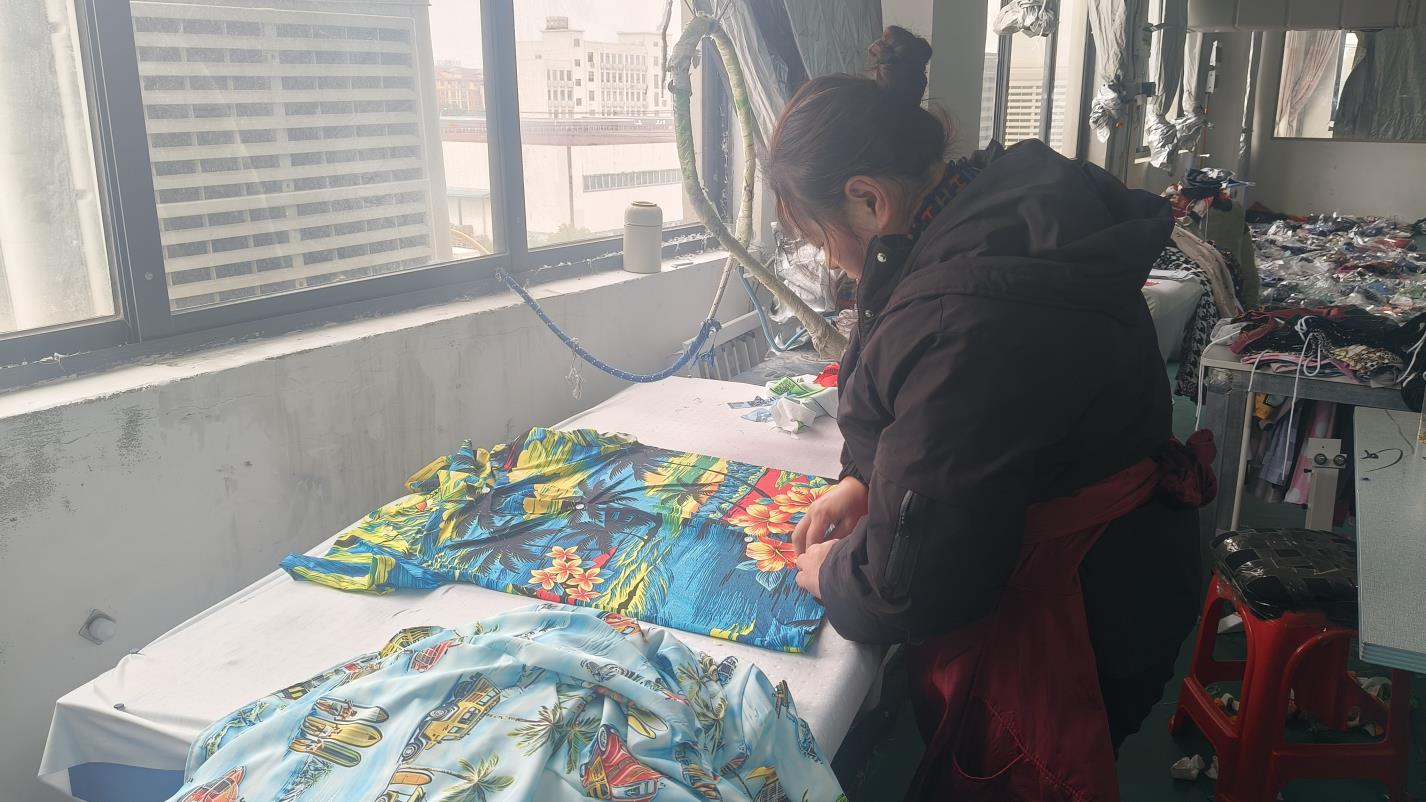
Optimized steam finishing that removes creases and locks in the final garment geometry before packaging.
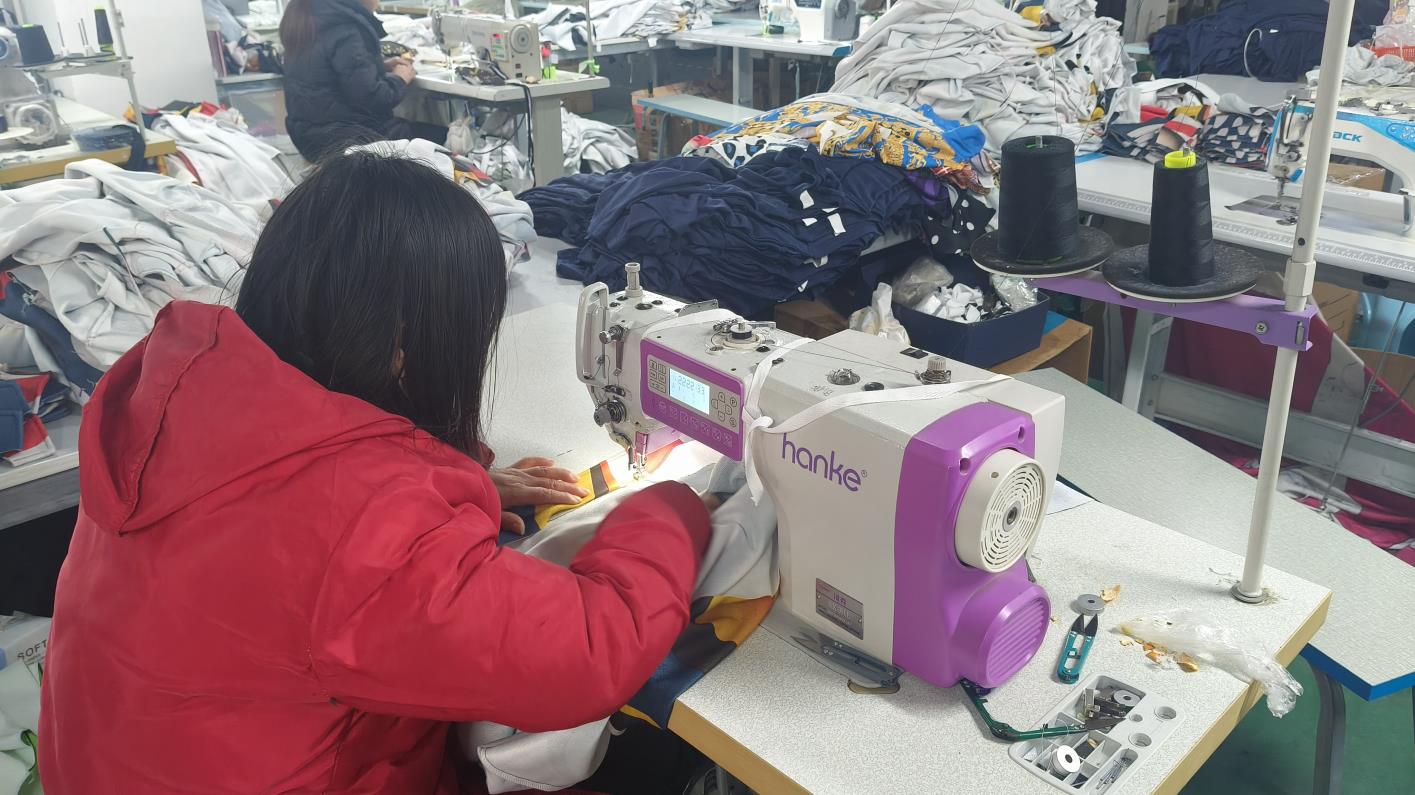
High-speed machinery calibrated for specialized sewing structures and delicate knit textiles.
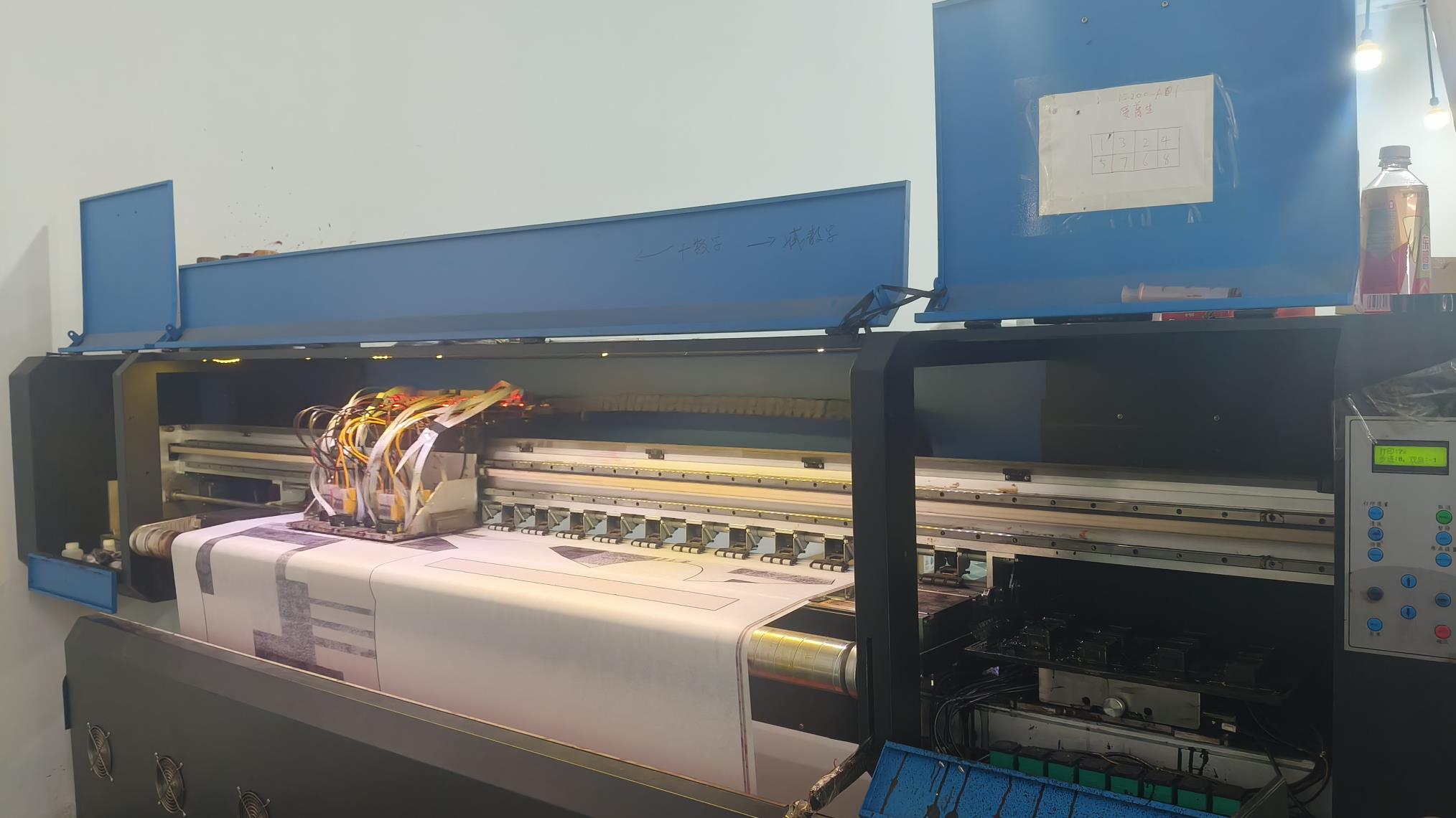
Professional digital print platforms engineered for high throughput and consistent color reproduction across textile batches.
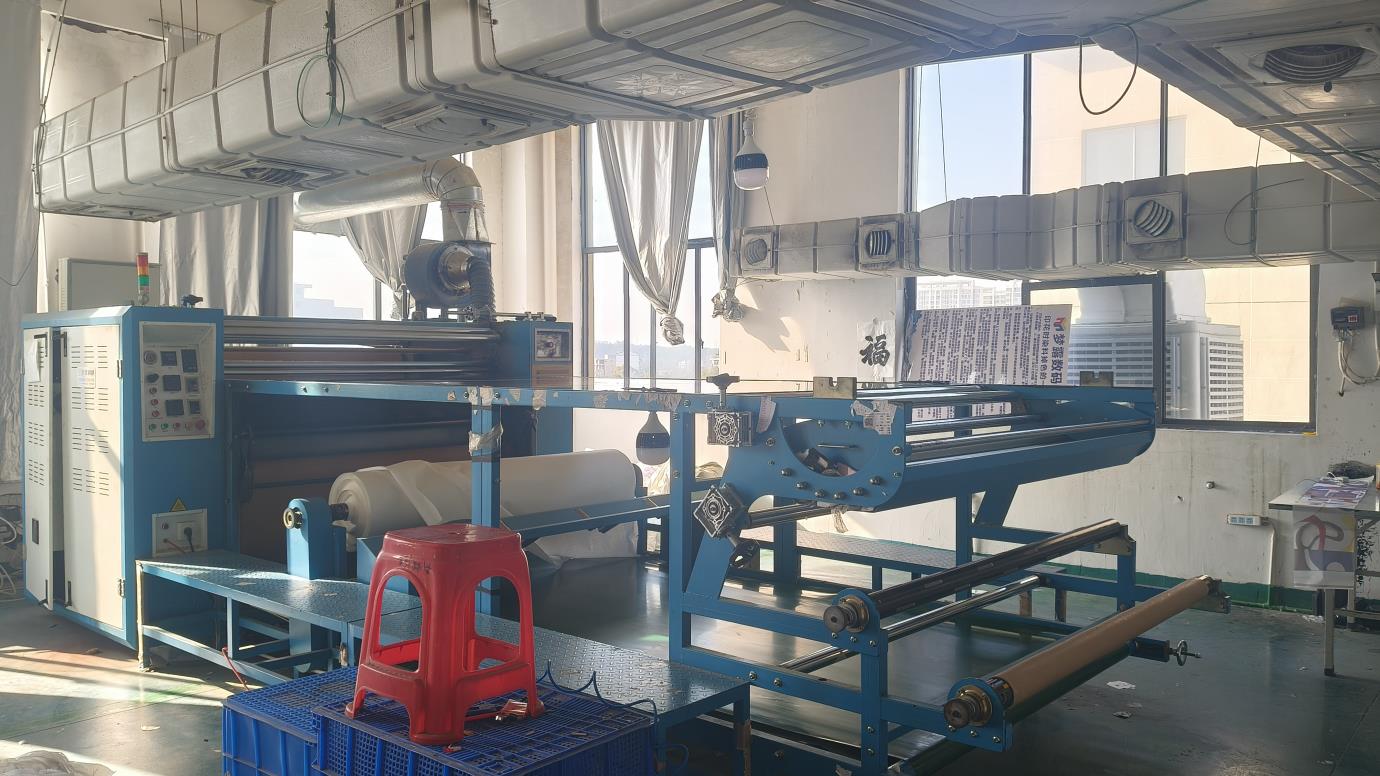
High-temperature pneumatic systems ensuring strong adhesive contact for graphics and custom branded tags.
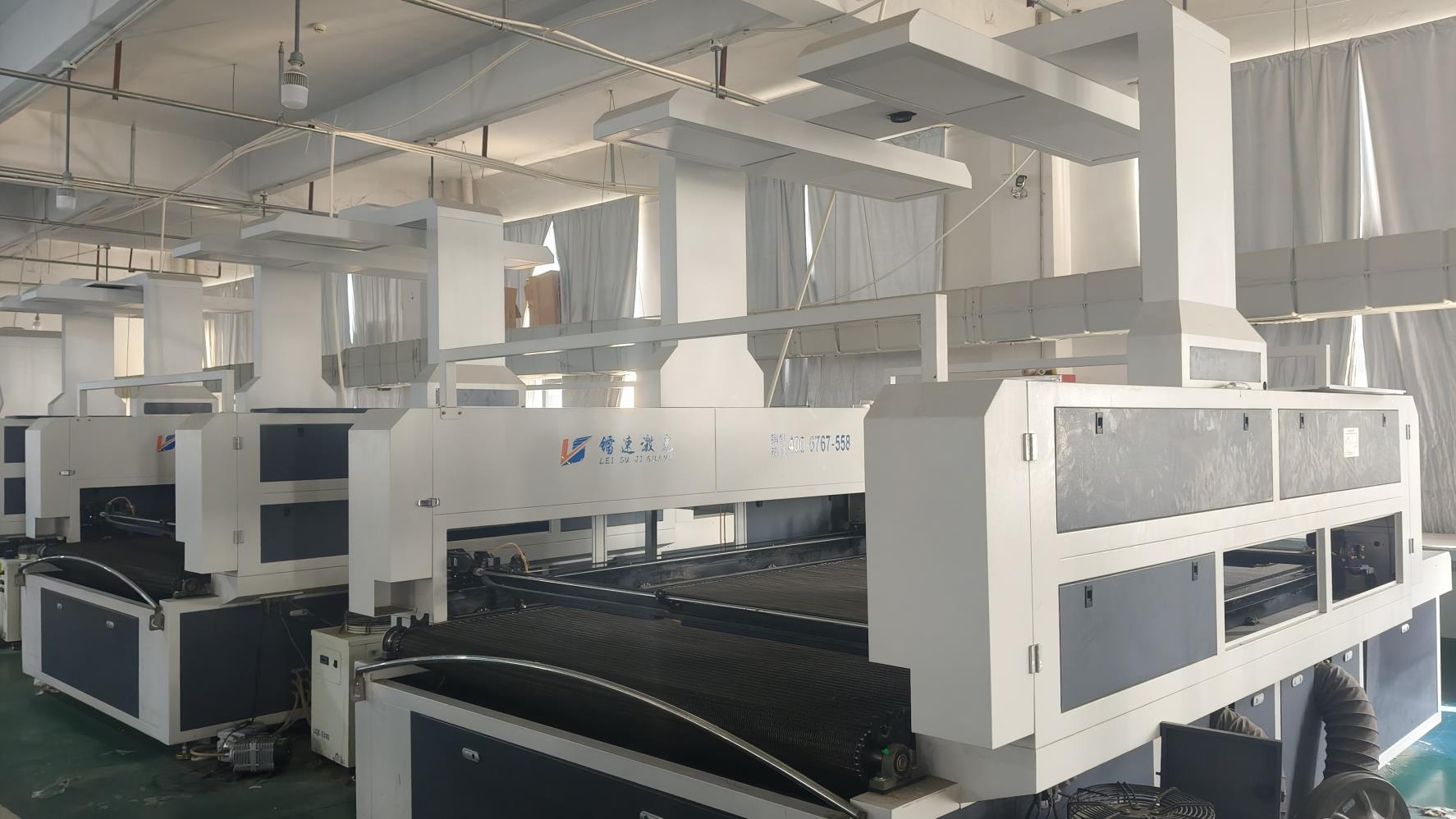
State-of-the-art CAD-linked lasers executing complex geometries instantly with minimal margins of error.
Why modern global retail leaders consolidate their manufacturing footprints within Chinese industrial centers.
From mulberry cultivation and yarn-spinning to advanced dyeing operations, China holds the world's most vertically integrated silk and synthetic fiber supply systems. Sourcing coordinators benefit from centralized yarn distribution centers that source, dye, spin, and weave custom fabrics under unified logistics. This concentration drastically minimizes material transport delays and ensures highly uniform production outcomes.
Modern necktie designs demand ultra-fine yarn densities (often up to 1200-needle jacquard layouts) to render crisp, multi-tone designs, logos, and motifs. Chinese tie factories utilize computer-aided design (CAD) integrations linked to electronic jacquard machinery. This configuration enables immediate conversion of brand designs into flawless woven materials, reducing initial sampling windows to just 3–5 business days.
Top-tier Chinese manufacturers operate under internationally accredited certifications including ISO9001, SEDEX, and BSCI audits. A-level BSCI ratings represent strict adherence to fair labor compensation, chemical safety restrictions (such as REACH and OEKO-TEX compliance), and systematic, transparent product trace inspections. This structured governance shields international brands from operational supply chain vulnerabilities.
How the necktie and garment sector is adopting circular supply networks and digitalization to meet changing buyer values.
Environmental standards are reshaping fashion procurement. Traditional polyester formulations are rapidly being replaced by Recycled Polyethylene Terephthalate (rPET) derived from post-consumer plastics. Additionally, organic silk farming (minimizing fertilizer applications) and waterless digital printing technologies are gaining significant market share. Sourcing from certified factories ensures alignment with emerging ESG directives in European and North American markets.
Artificial intelligence is restructuring design pipelines. By leveraging predictive algorithms, manufacturers analyze shifting consumer search behaviors to create seasonal tie designs, patterns, and palettes ahead of actual production cycles. This agility minimizes surplus inventory risks, shortens prototype feedback loops, and allows for agile adjustments of order volumes to match actual sell-through rates.
Navigating different sourcing contexts with tailored supply chain solutions.
Challenge: Delivering tens of thousands of uniform ties that match specific corporate colors across multiple geographical regions, requiring high durability for daily wear.
Solution: Utilize high-density woven polyester treated with water-resistant coatings. Implement computerized color-matching (such as spectrophotometer systems) to keep variation below Delta-E 1.0, ensuring consistent branding.
Challenge: Designing limited-run seasonal lines using high-momme mulberry silk, requiring delicate hand-rolled edges and specialized woven backing cards.
Solution: Leverage specialized artisanal workshop lines integrated with computerized weaving machinery. This configuration supports detailed hand-stitching along with automated production structures to protect premium product margins.
Challenge: Rapidly fluctuating online demand, requiring immediate turnaround of trending patterns with low minimum order quantities (MOQs).
Solution: Rely on flexible manufacturing layouts utilizing digital print-on-demand technology. This approach allows brands to initiate production with low starting volumes and scale runs quickly as real-time sales indicators emerge.
Answering common operational, logistics, and material-integrity questions from global procurement coordinators.
Generally, MOQs range between 100 to 300 units per colorway for woven polyester or silk ties. Digital printing setups allow lower MOQs, sometimes starting at 50 units. For fully customized jacquard alignments, standard MOQs reflect the minimum warp threads required to set up the looms.
Leading factories use Pantone Matching Systems (PMS) alongside advanced spectrophotometer analysis of sample swatches. Laboratory dips are produced and approved under standard D65 light booths before final production runs are launched.
Always demand certifications like Global Recycled Standard (GRS) for recycled polyester (rPET), OEKO-TEX Standard 100 for chemical safety compliance, and organic silk sourcing indicators. These document the sustainability profile of the raw fibers.
Design prototyping and physical sampling typically take 5 to 7 working days. Once samples are approved, bulk production requires between 15 to 25 days depending on the pattern complexity, quantity, and seasonal production demand.
These audits verify fair treatment of workers, safe working conditions, and ethical environmental management. Sourcing from certified facilities helps protect your brand against potential operational disruptions and reputational risks.
 Bever Beauty