Bever Beauty


Global Sourcing & Industry Landscape of Casual Trousers
An in-depth analysis of supply chain dynamics, technical manufacturing capacities, and macroeconomic influences in the modern garment industry.
The apparel landscape has shifted definitively. As modern workplaces adopt "hybrid" schedules and consumers continuously demand comfort without sacrificing aesthetic value, the market for casual trousers has experienced an unprecedented surge in demand. Choosing a premier casual trousers supplier is no longer just a purchasing department routine; it is a vital strategic decision that affects brand reputation, shipping reliability, and profit margins. From premium chinos and structural trousers to high-performance athleisure wear, global sourcing directors must analyze production methodologies, ethical compliance, and structural fabrics to ensure sustainable brand growth.
The Structural Advantages of Chinese Factories in Casual Trousers Manufacturing
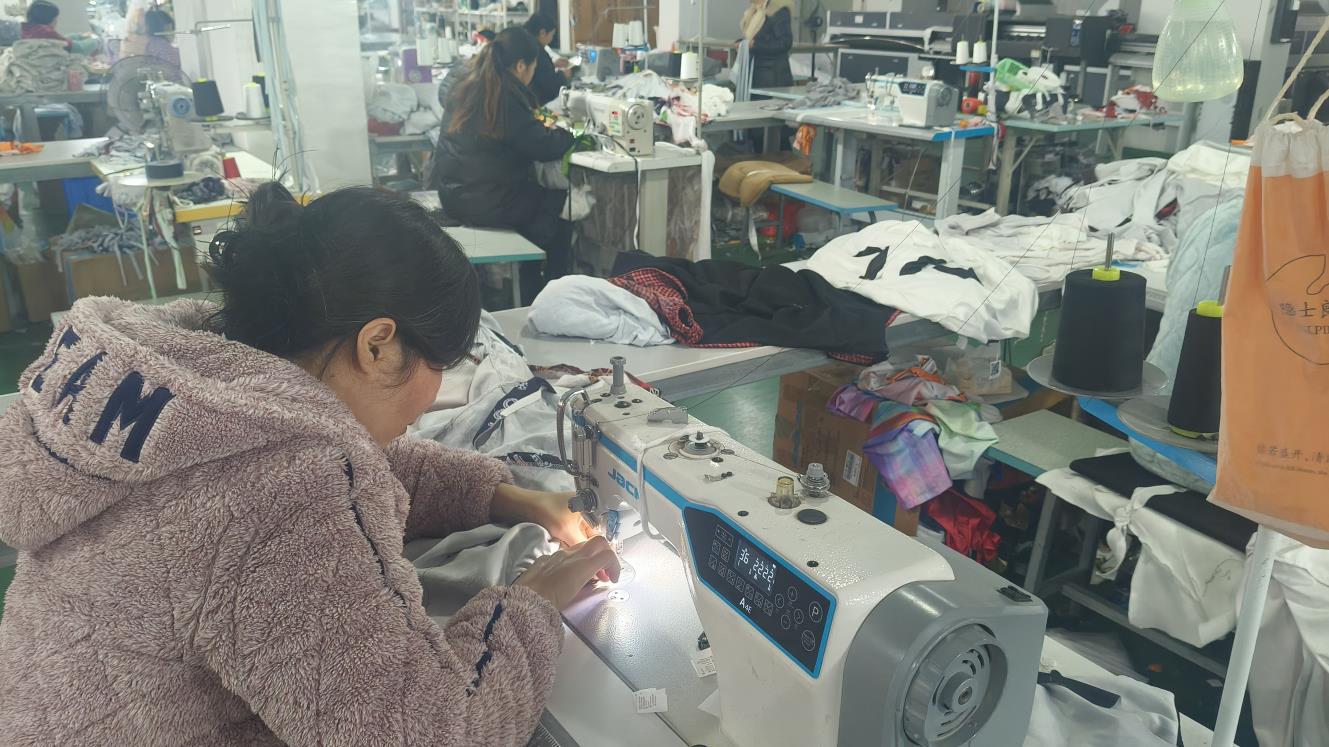
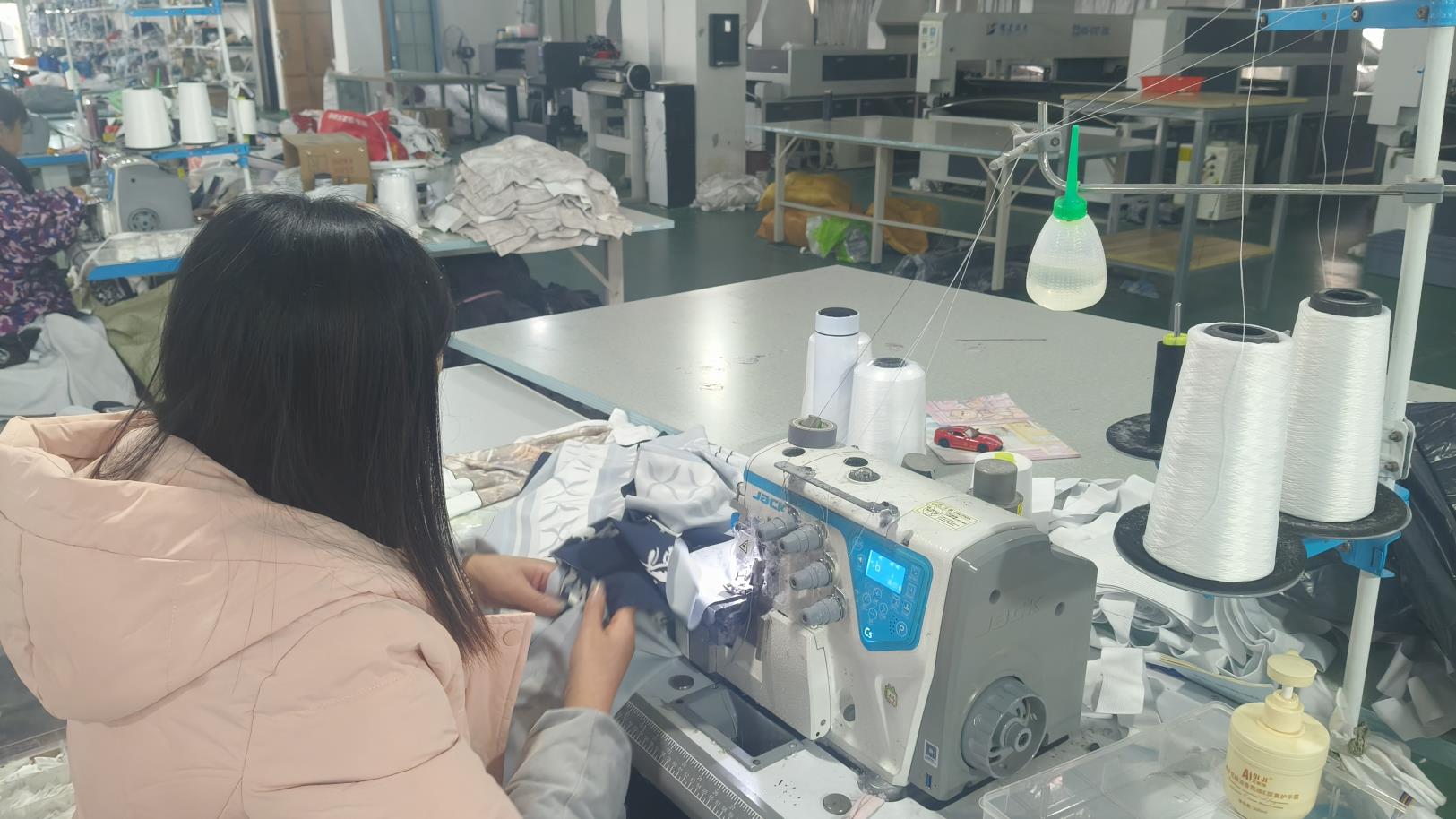
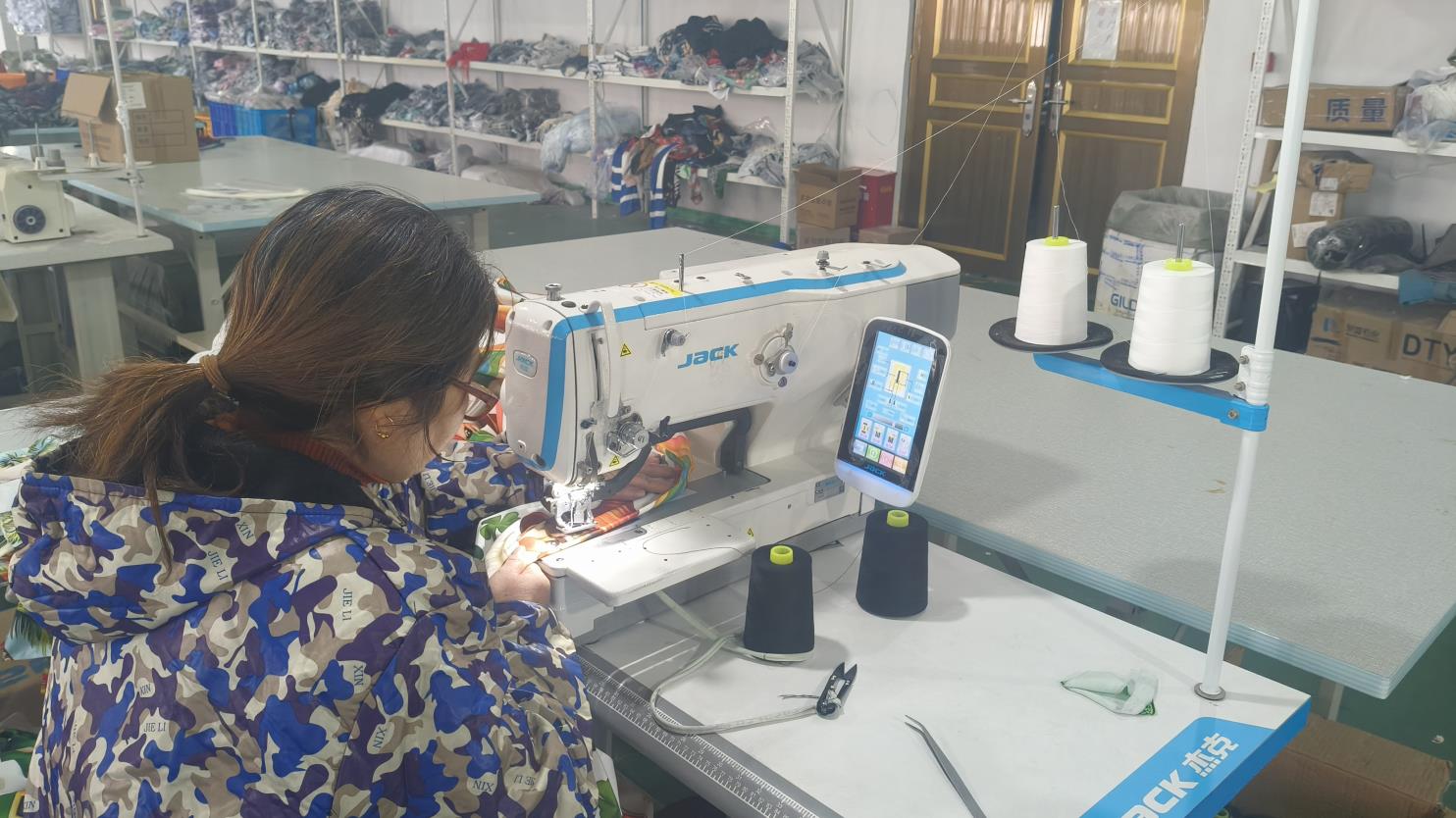
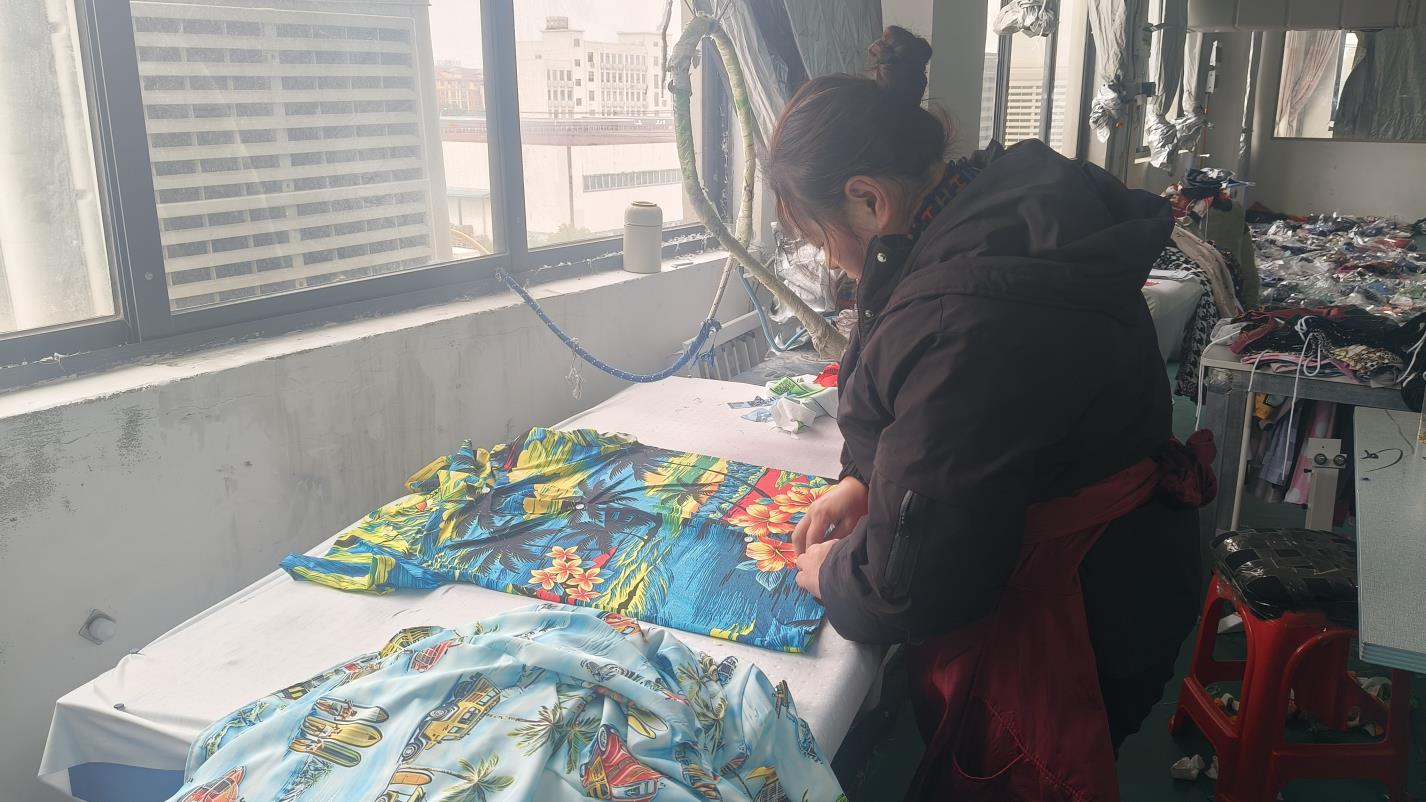
China remains the epicenter of high-efficiency apparel production, specifically for complex structured items like casual trousers. In regions like Dongguan, factories have transitioned from simple low-cost assembly shops into highly automated, technology-driven production hubs.
The competitive edge of choosing a specialized Chinese supplier includes:
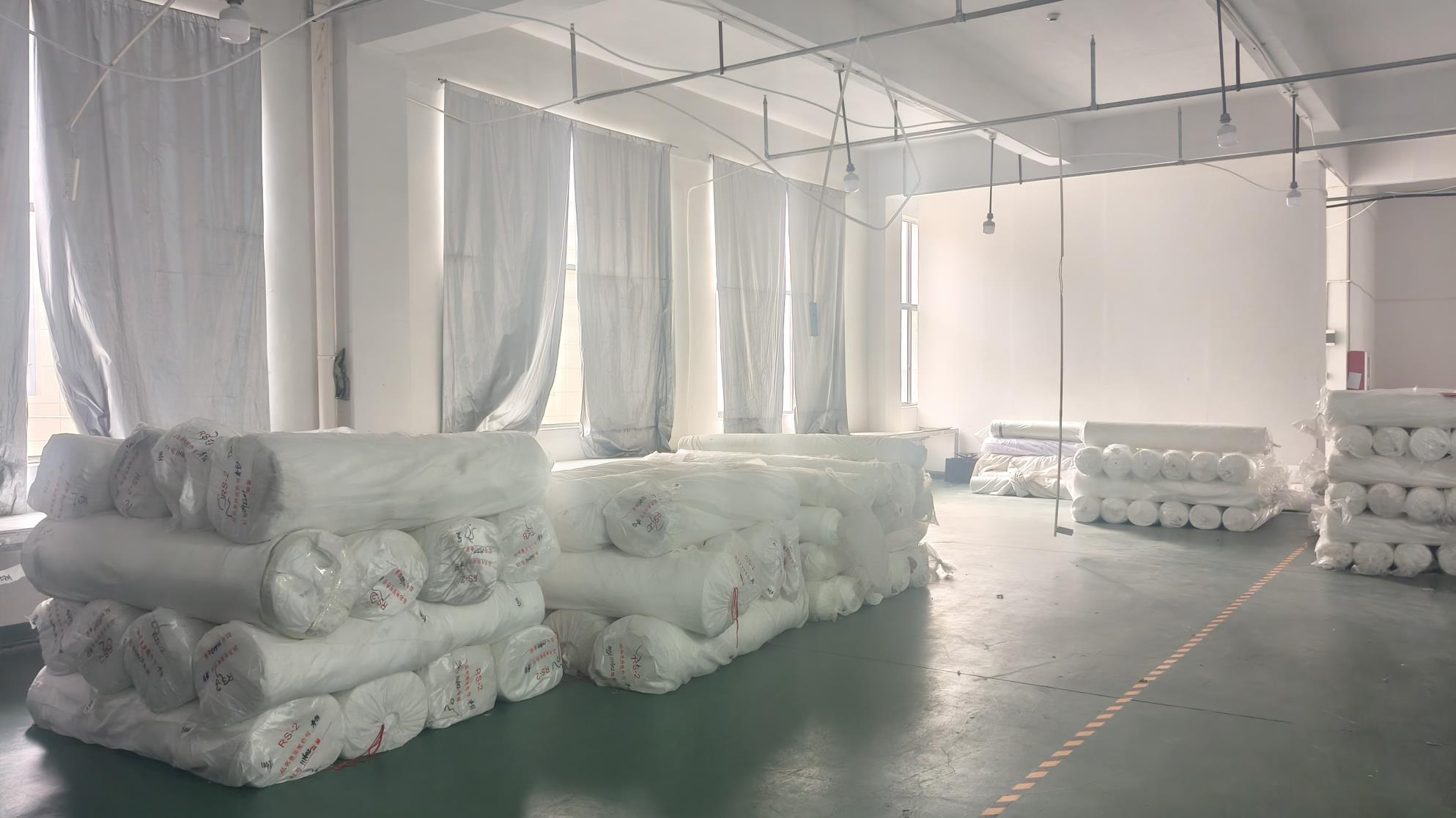
- End-to-End Supply Chain Integration: Raw material sourcing, custom fabric dye houses, advanced hardware manufacturers (zippers, snaps, rivets), and packaging facilities exist in close proximity. This localized clustering significantly reduces turnaround times.
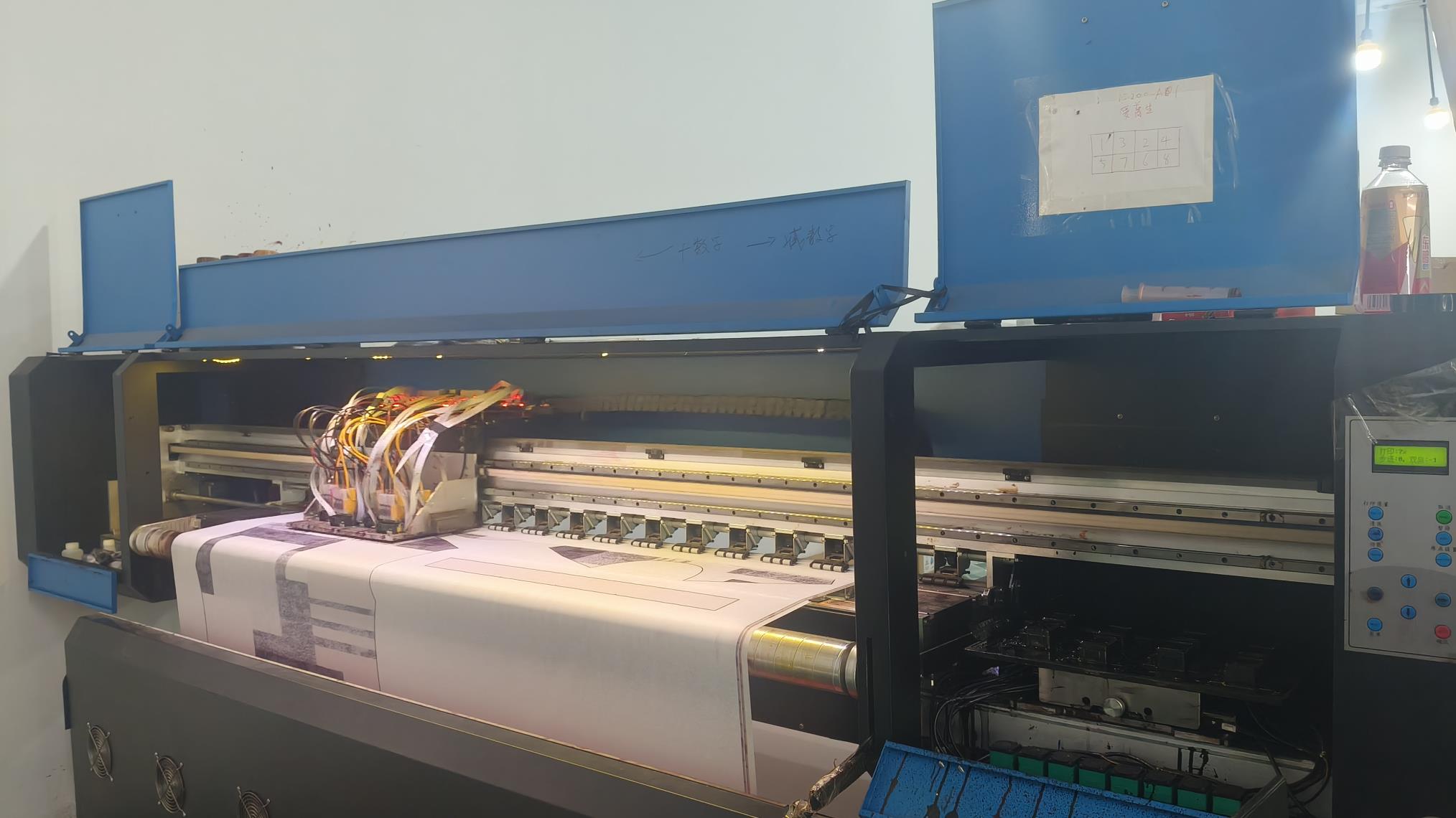
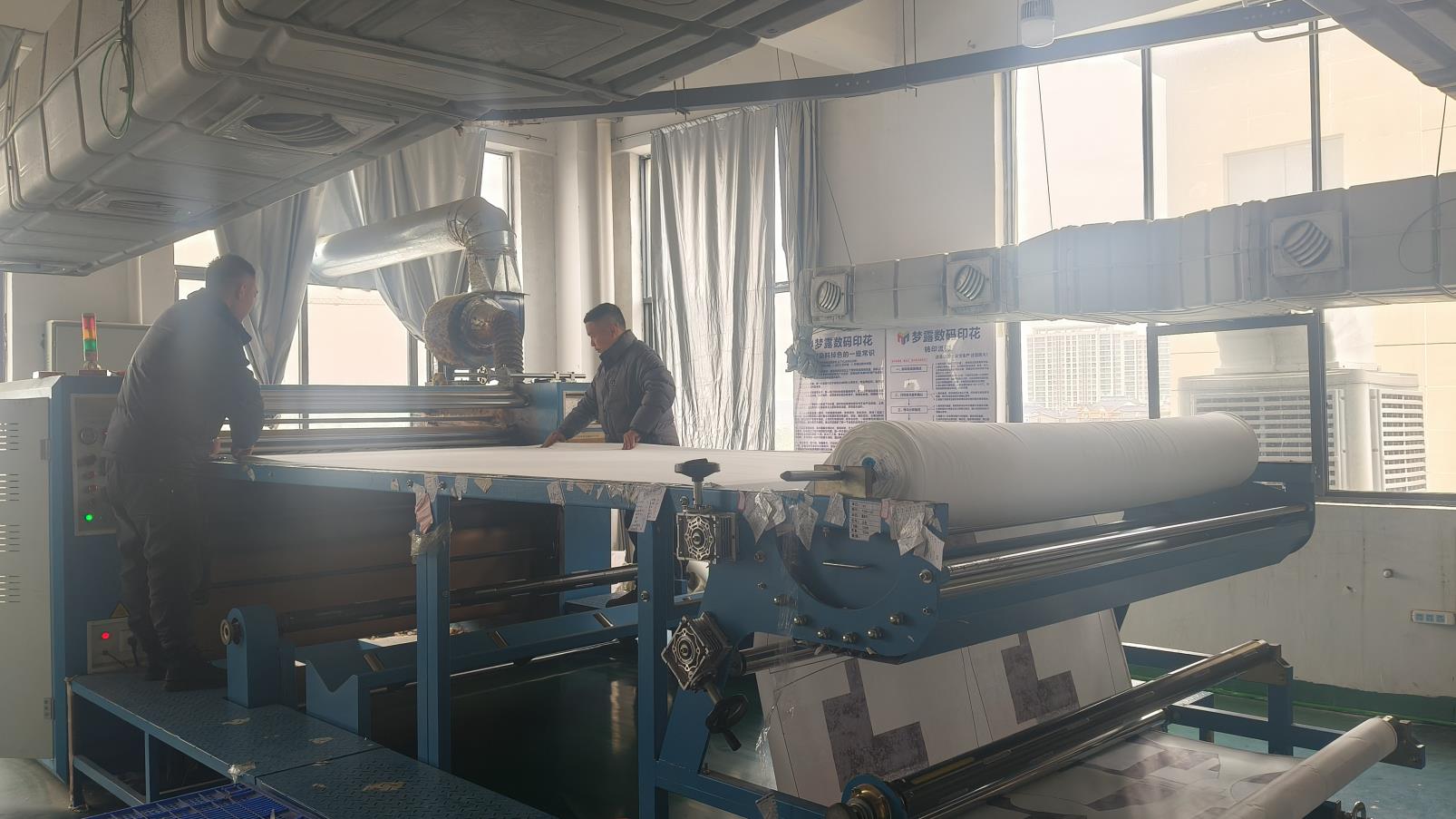
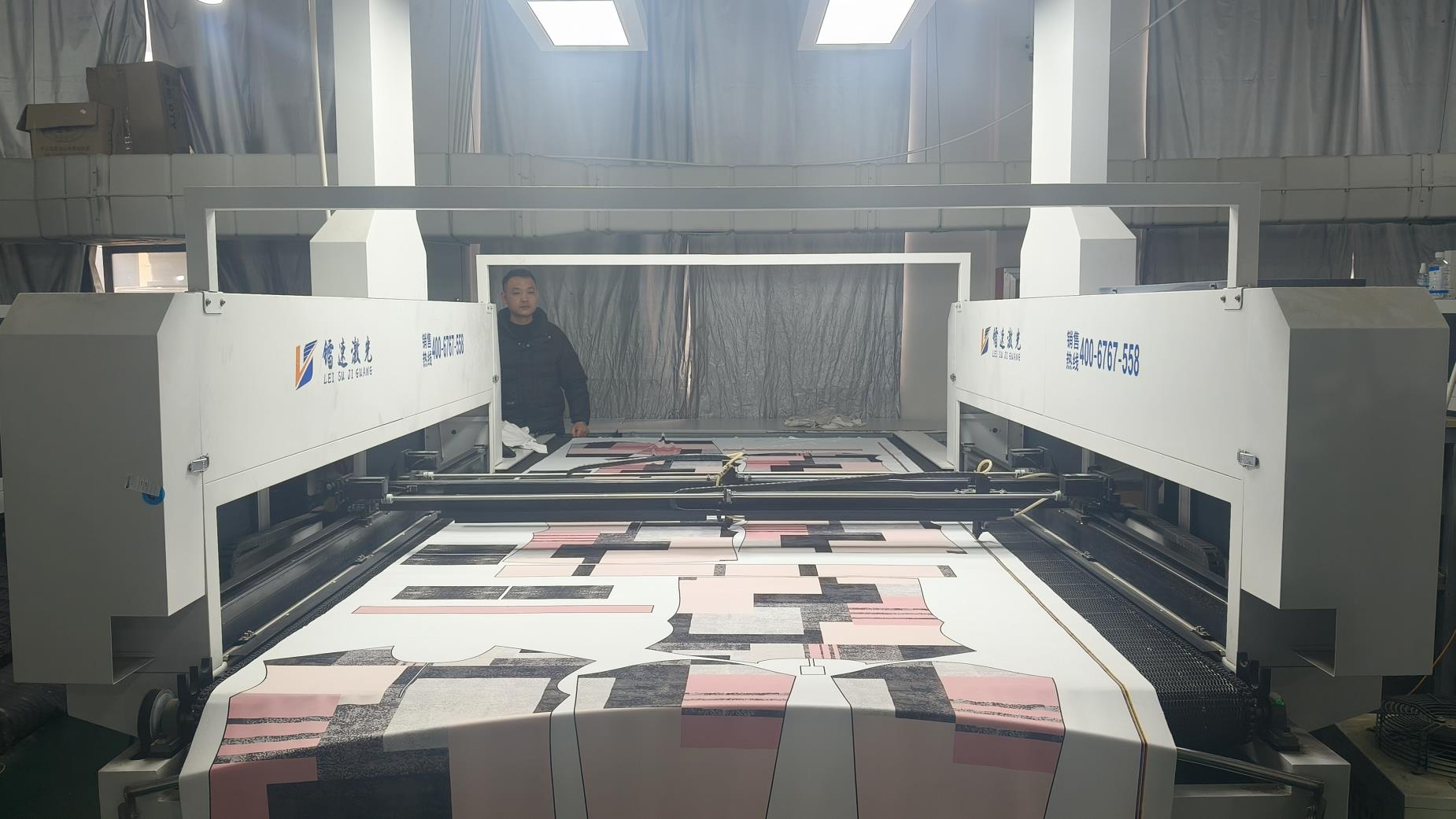
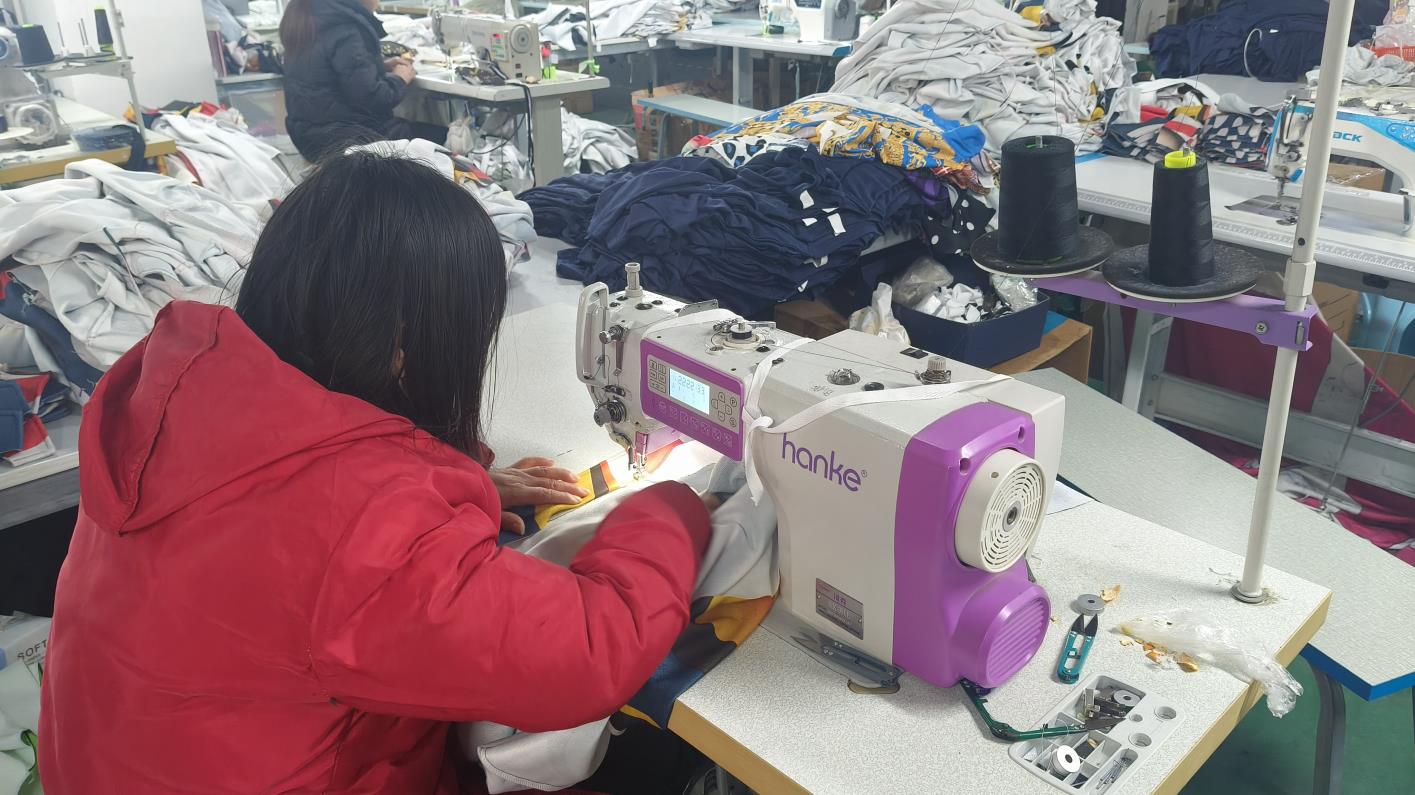
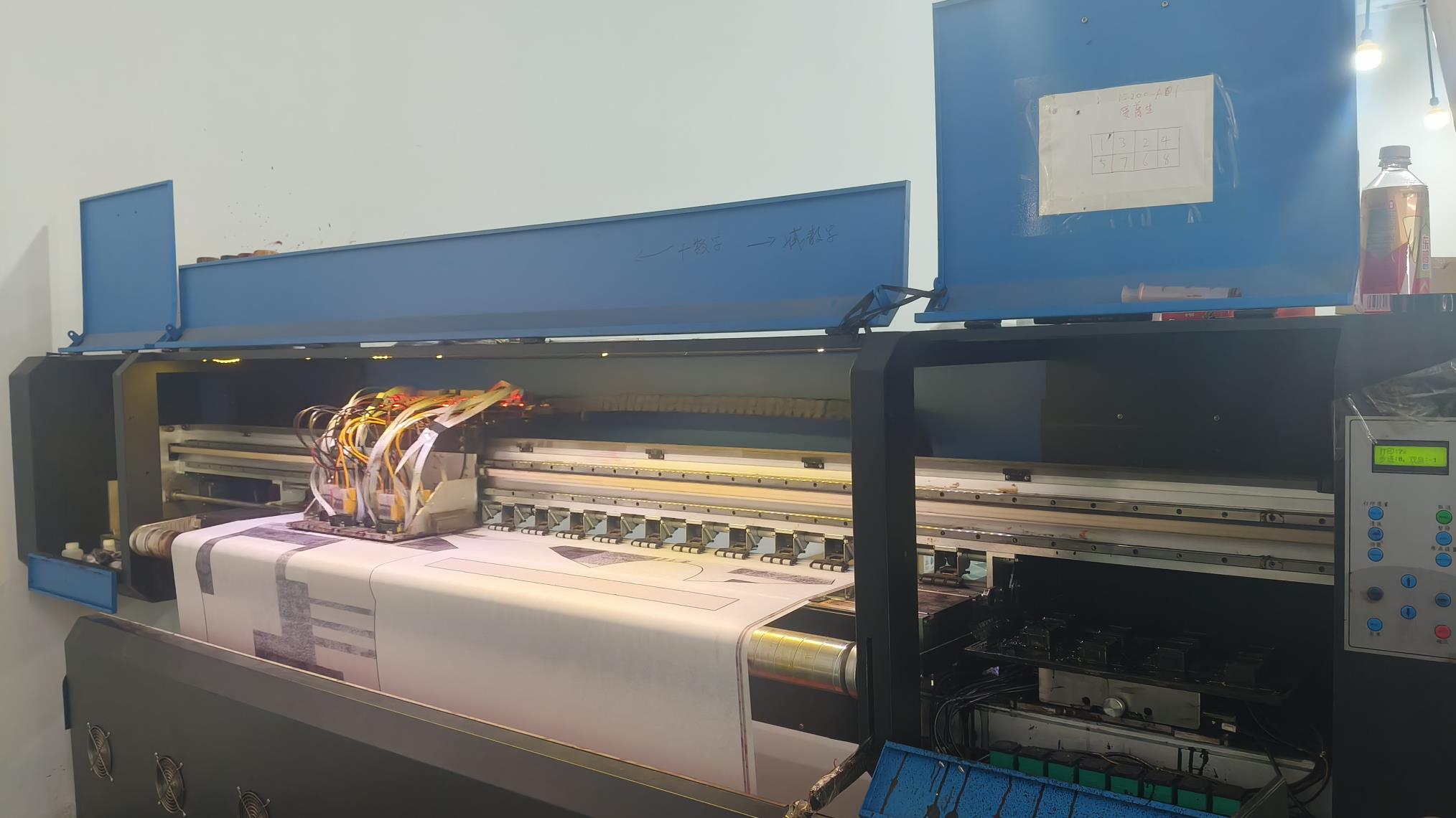
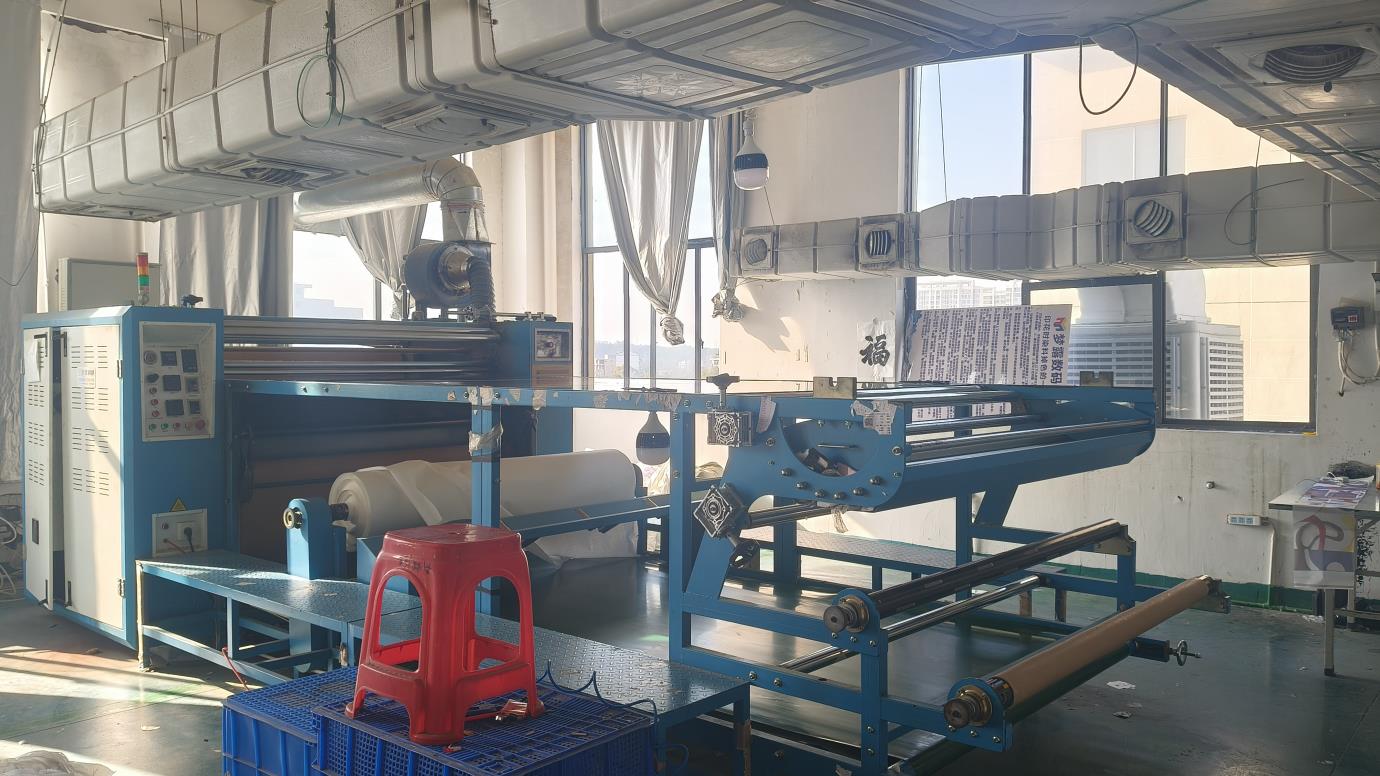
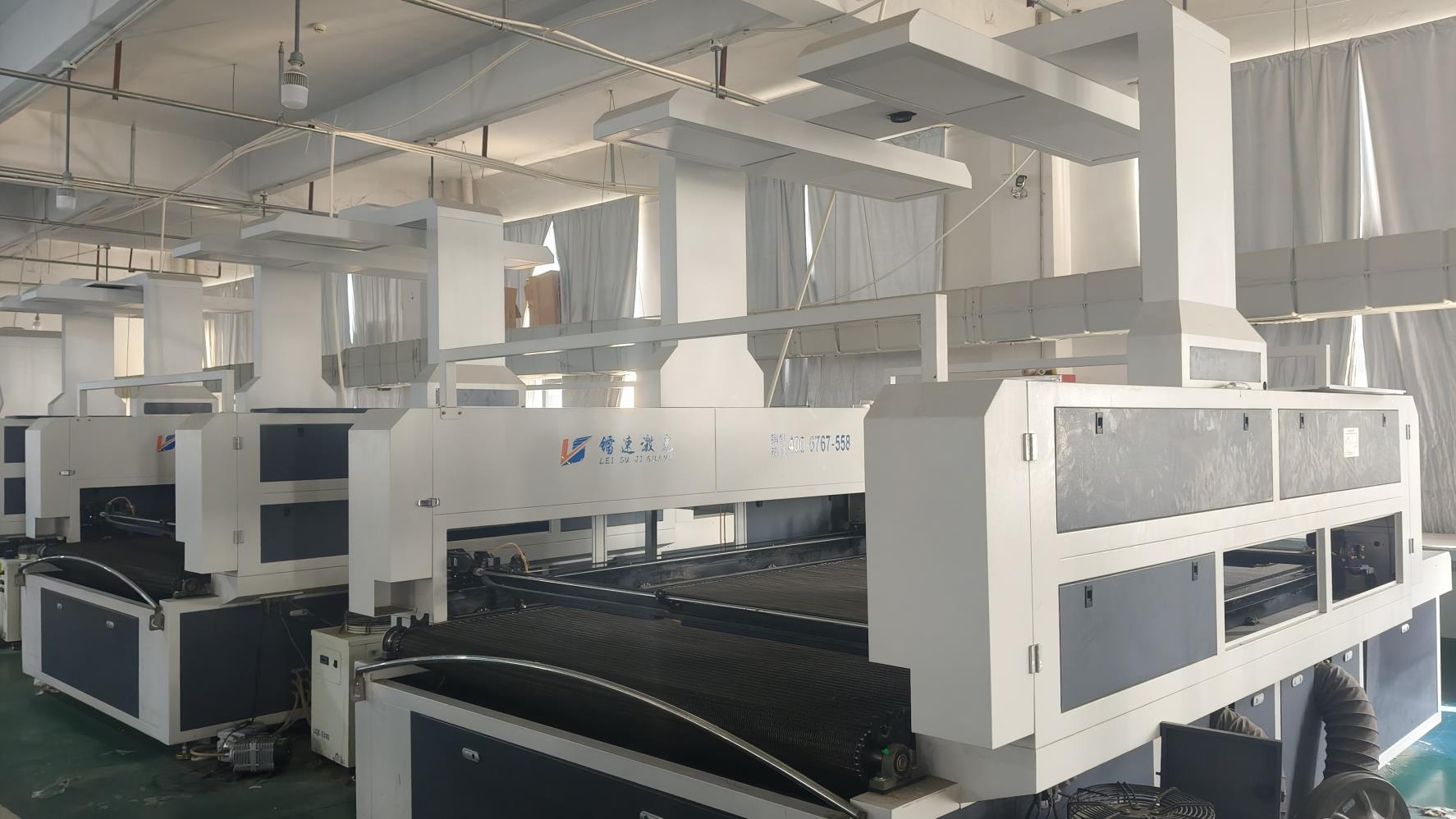
- Technological Superiority: Leveraging computerized laser-cutting tables, CAD pattern designing systems, automated overlock sewing machines, and automated heat transfer stations guarantees micro-millimeter precision in seam execution.
- Skilled Engineering Talents: Experienced technicians optimize fabric consumption ratios, ensure minimal shrinkage, and structure multi-layered components (like waistband stiffeners and pocket assemblies) to maintain physical integrity through long wash cycles.
Evolving Industry Trends: The Future of Casual Pants and Coordinates
Global consumers expect their garments to perform multi-functionally. Traditional boundaries between lounge pants, outdoor hiking gear, and office wear have faded. Consequently, three main trends dominate the apparel R&D divisions:
1. Eco-Innovative Fabrics: Sourcing managers are prioritizing textiles like bamboo fiber, organic heavy cotton, recycled polyester, and linen-cotton blends. These fabrics offer high skin-breathability, natural antimicrobial protection, and a lower environmental footprint.
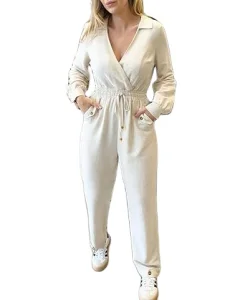
2. Smart Aesthetics: Casual trousers are increasingly tailored with semi-elastic waistbands, hidden drawstrings, and ergonomic, low-profile pockets. This style facilitates transition from video calls to real-world business meetings without sacrificing comfort.
3. Traceability and Ethics: Global enterprises require transparency. Manufacturers must hold third-party certificates such as BSCI, SEDEX, or ISO9001 to confirm that garments are produced ethically under fair labor wages and safe factory environments.