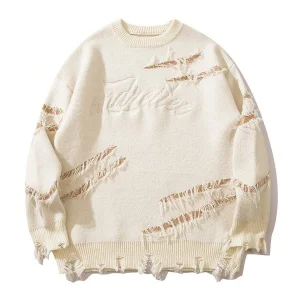
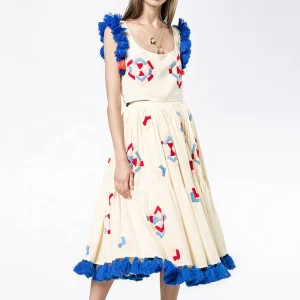
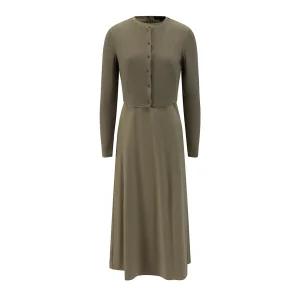
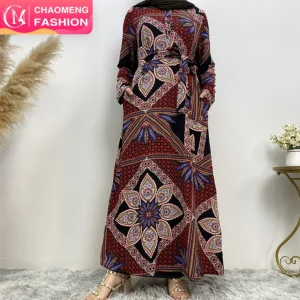
Discover key apparel designs from our smart production lines, demonstrating versatility across knitwear, resort wear, and custom loungewear.

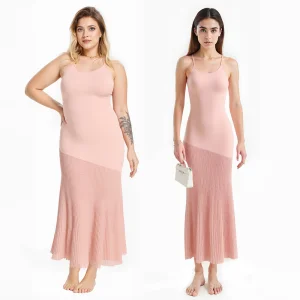


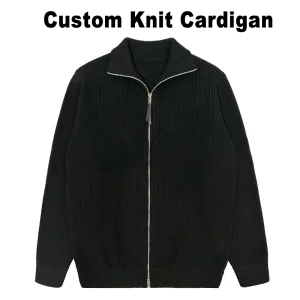
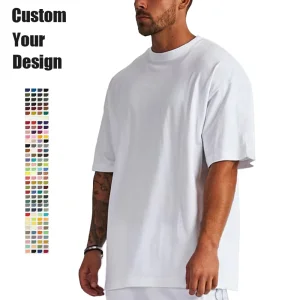

The global modest fashion and resort wear markets are experiencing unprecedented growth, driven by shifting demographics, digital trade expansion, and changing lifestyle requirements. Historically treated as regional garments, Kaftans and oversized tunics have transitioned into mainstream global collections. According to recent B2B textile intelligence reports, the global market for kaftans is projected to grow at a CAGR of 6.2% through 2030, driven by consumers in North America, Western Europe, the Middle East, and the Asia-Pacific region. For volume buyers, sourcing managers, and apparel brand executives, establishing dynamic factory partnerships is no longer just a purchasing decision—it is a critical pillar of supply chain resilience.
This report covers the top-tier manufacturing entities, focusing on operational transparency, raw material compliance, and technology-driven production. As supply chain efficiency dictates brand survival, understanding the capabilities of leading manufacturers helps global brands avoid bottlenecking, manage quality, and drive profit margins.
B2B apparel procurement has shifted away from purely low-cost hunting toward value-driven sourcing. Sourcing directors look for specific operational capabilities when evaluating kaftan factories:
Kaftans demand fabrics that drape beautifully while offering breathability. Leading factories excel in sourcing premium linen, organic cotton, silk blends, viscose, and thick chiffons capable of sustaining digital sublimation or embroidery without fabric puckering.
Enterprise buyers require factories with third-party social responsibility and safety verifications. Uncompromised standards like BSCI (specifically A-level audits), SEDEX, and ISO9001 certifications protect brands from supply chain disruptions.
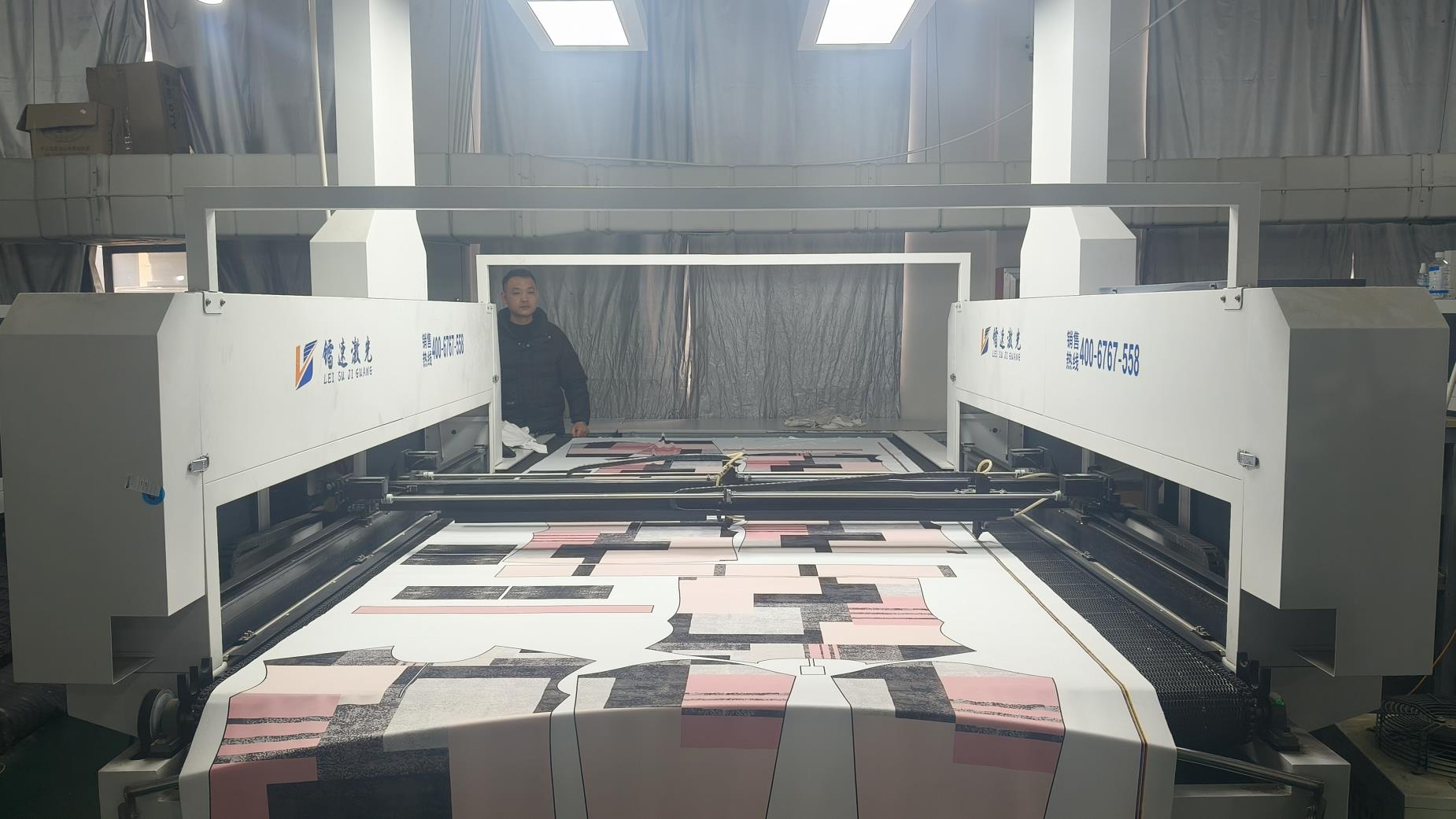
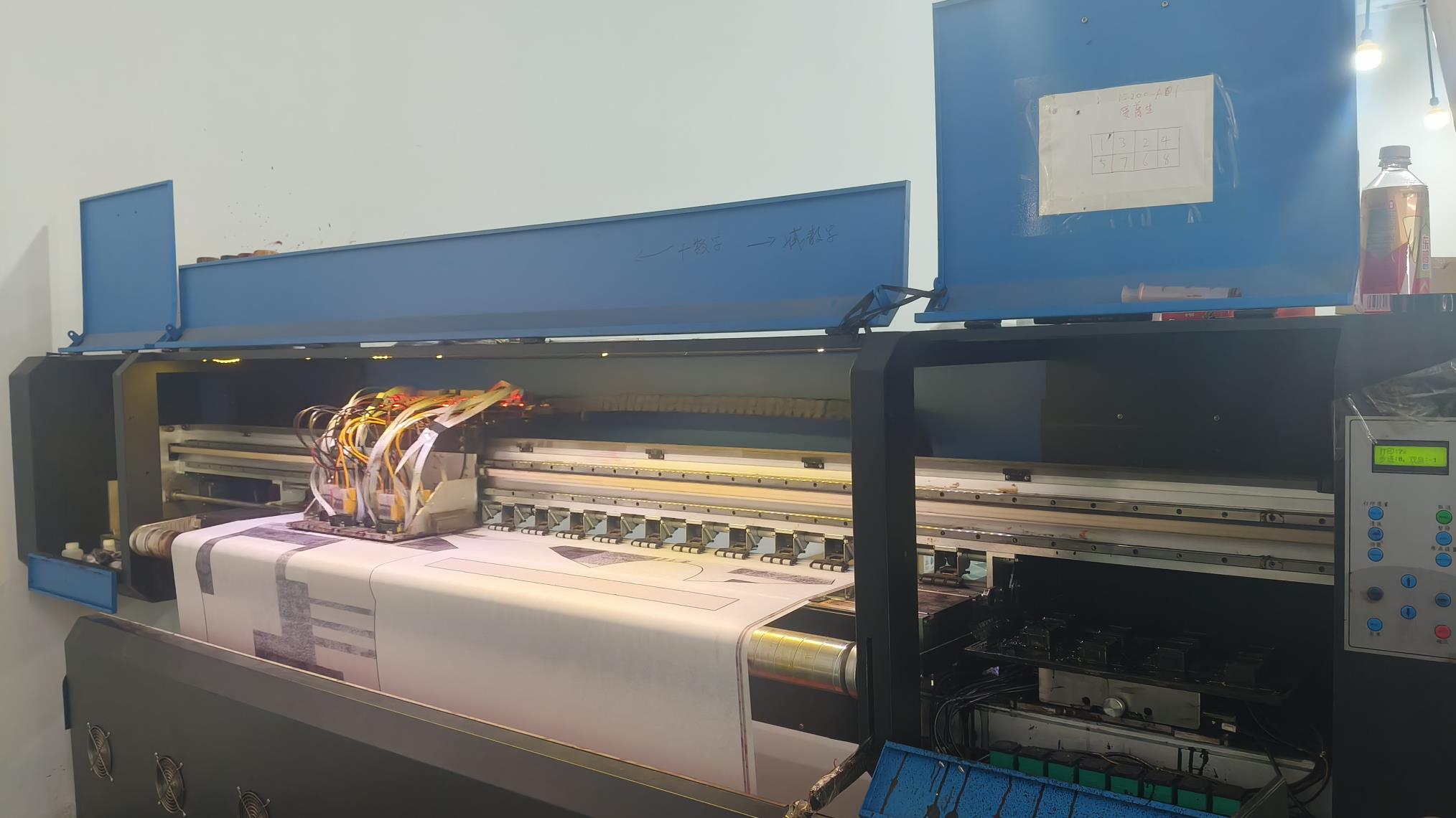
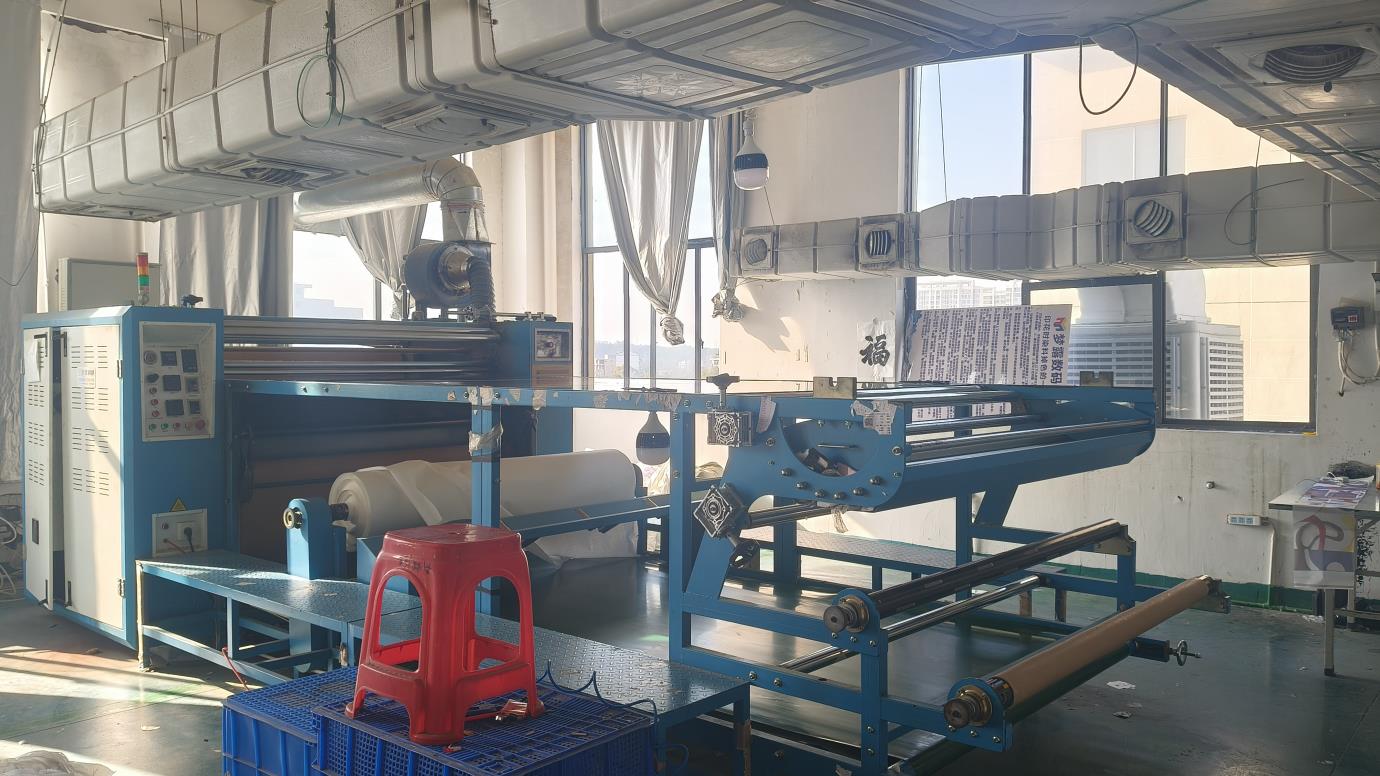
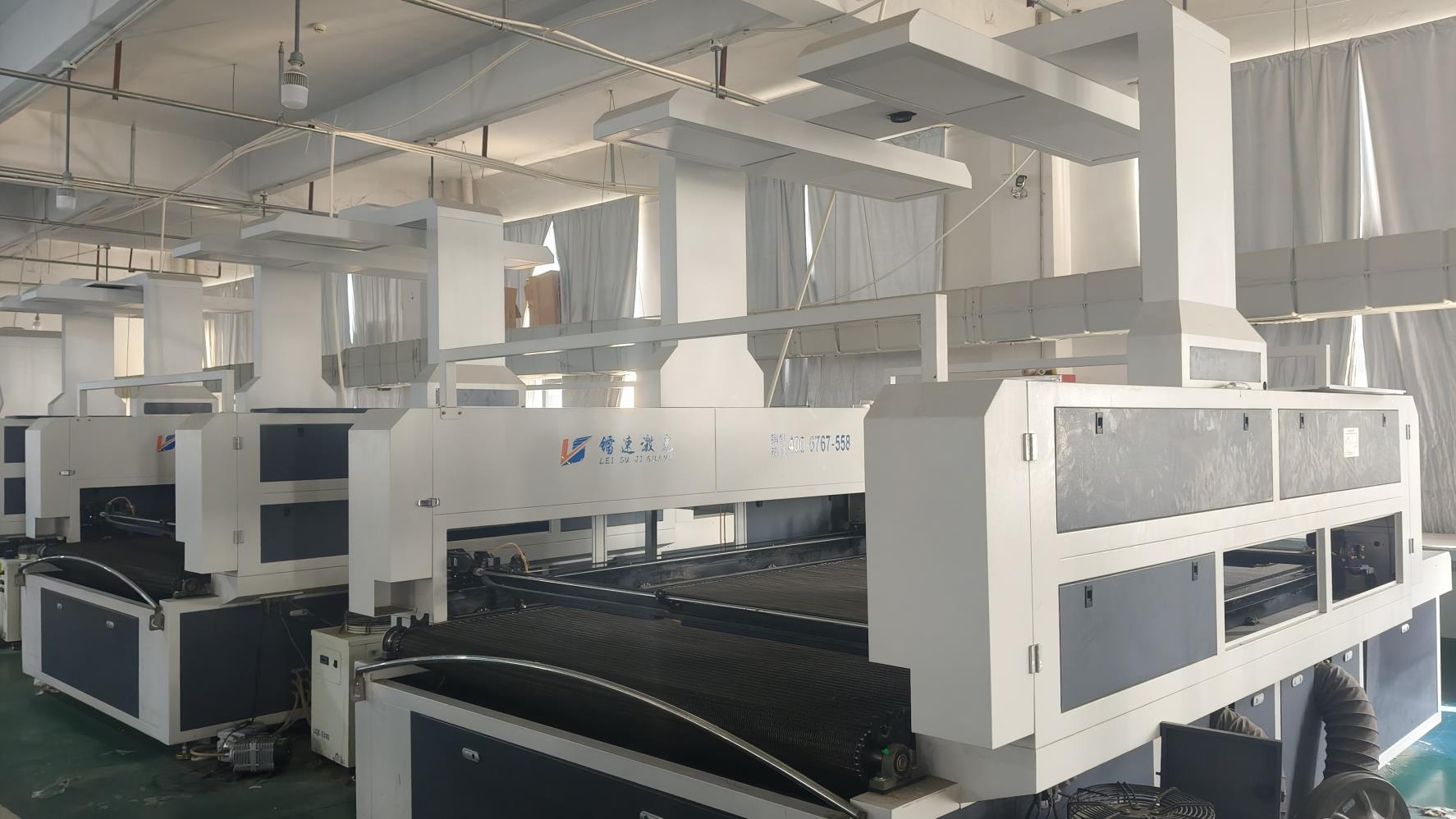
The ability to convert 3D CAD mockups into precise physical samples within a 3-to-5 day window distinguishes world-class manufacturers. Modern factories employ precision laser cutting, digital pattern layout, and heat-transfer machinery to ensure zero-defect output.
"Information Gain Insight: The highest margin in modern kaftans lies in the intersection of traditional aesthetic cuts with high-durability fabrics. Manufacturers must implement structural reinforcing stitches at critical points like side slits, underarms, and neckline boundaries."
As labor costs rise globally, Chinese manufacturing centers—particularly in Guangdong—have pivoted toward Apparel 4.0 automation. Smart manufacturing systems integrate ERP tracking, automated fabric inspection, and robotic cutting systems to build resilience against supply disruptions. For global B2B buyers, this translates to faster turnaround times, consistent stitch counts, and precise dye lot uniformity. Factories utilizing advanced laser cutting systems minimize raw material waste by up to 15%, passing the cost savings directly to buyers through competitive pricing structures and flexible minimum order quantities (MOQs).
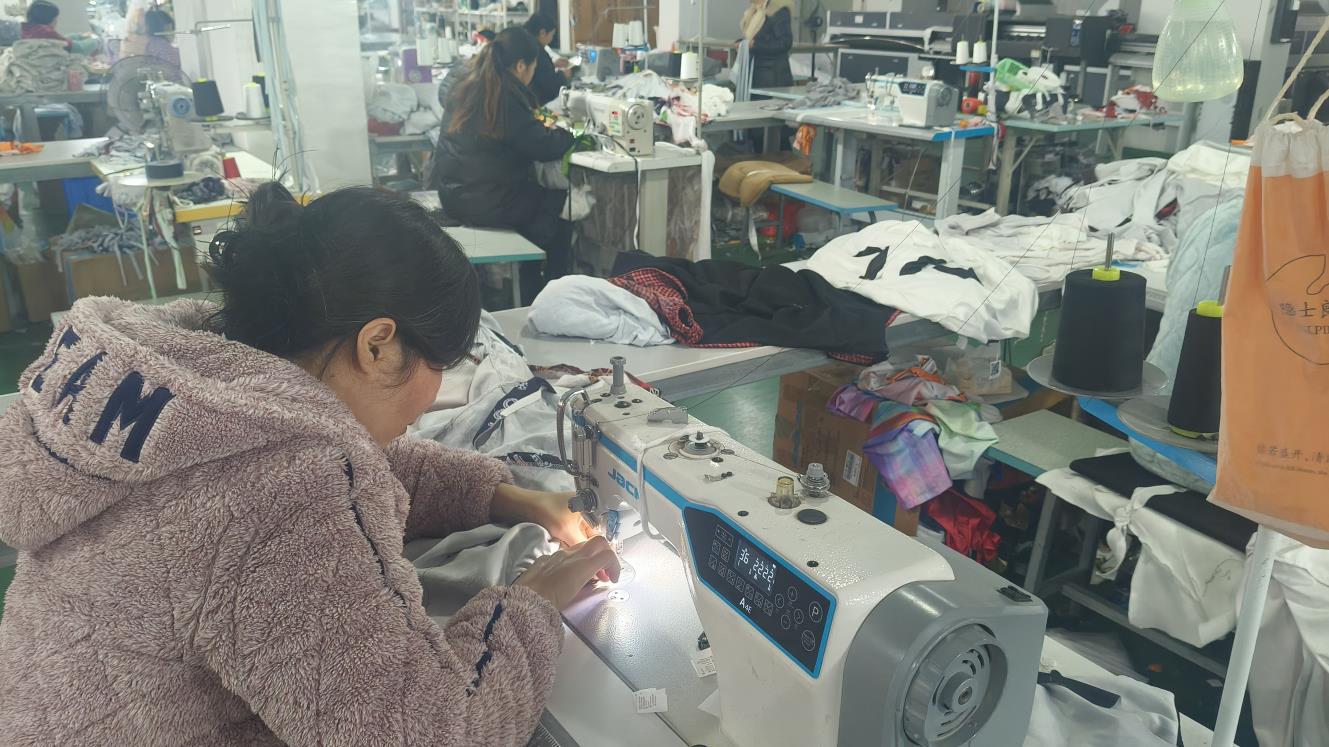
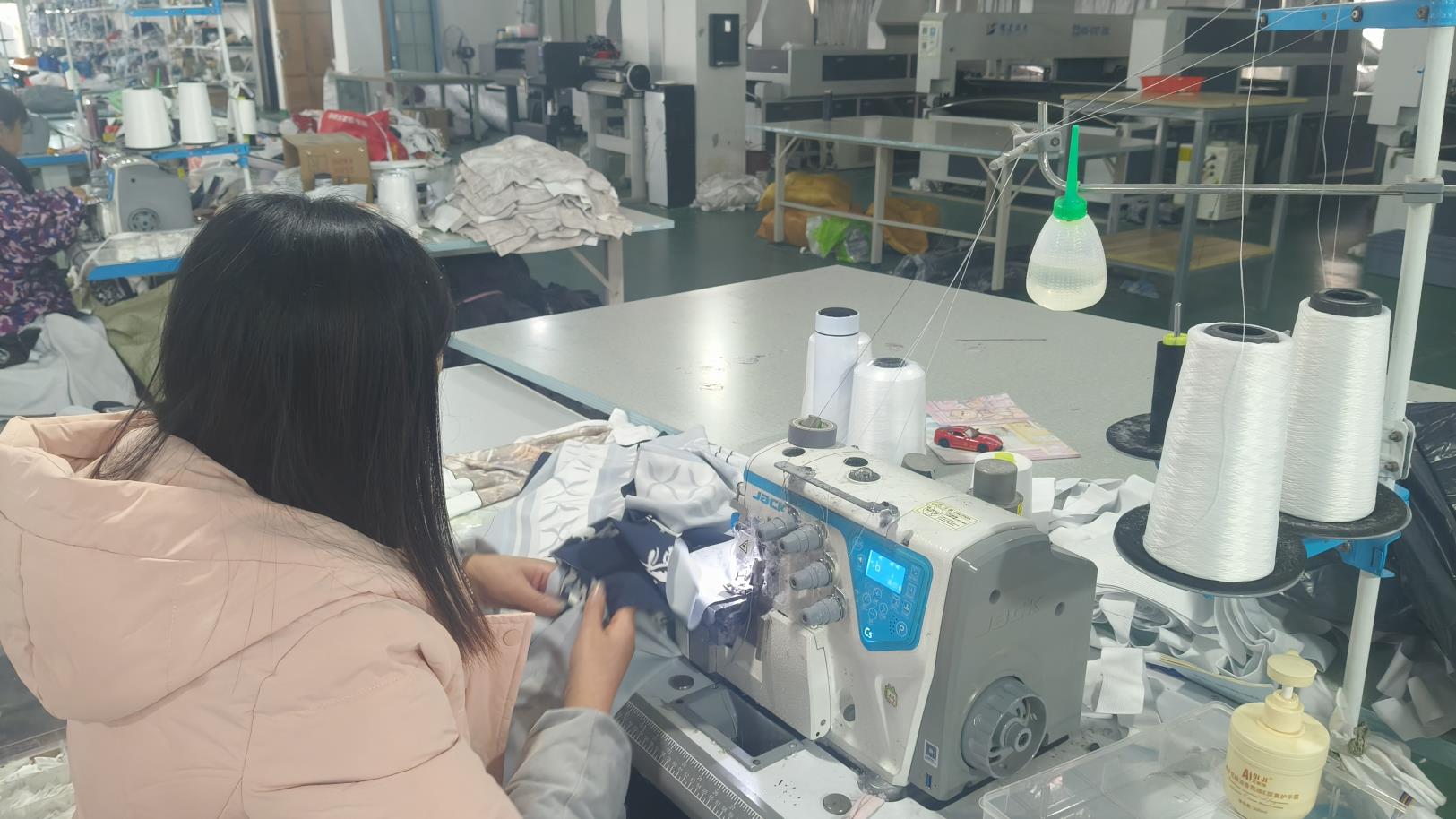
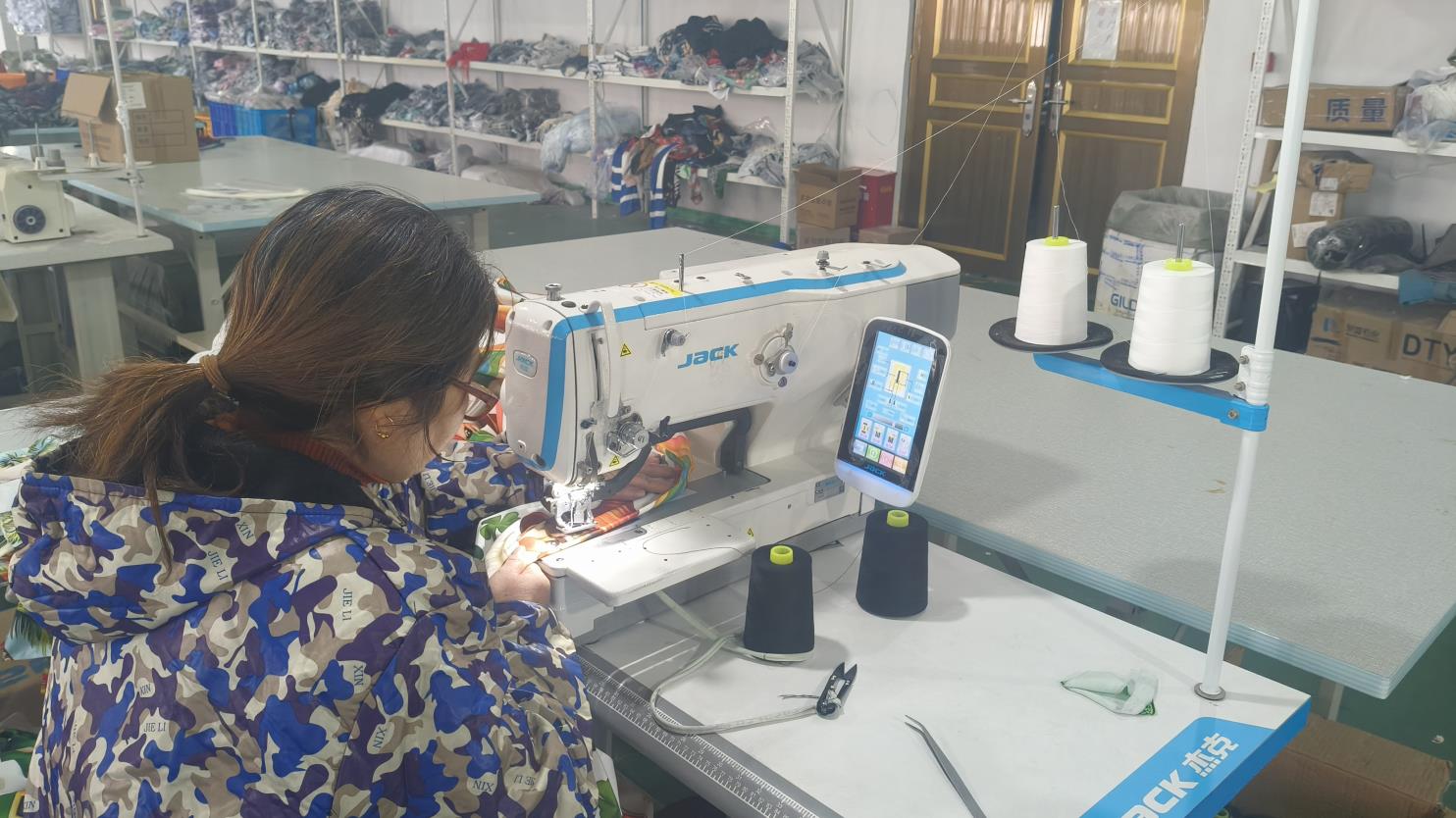
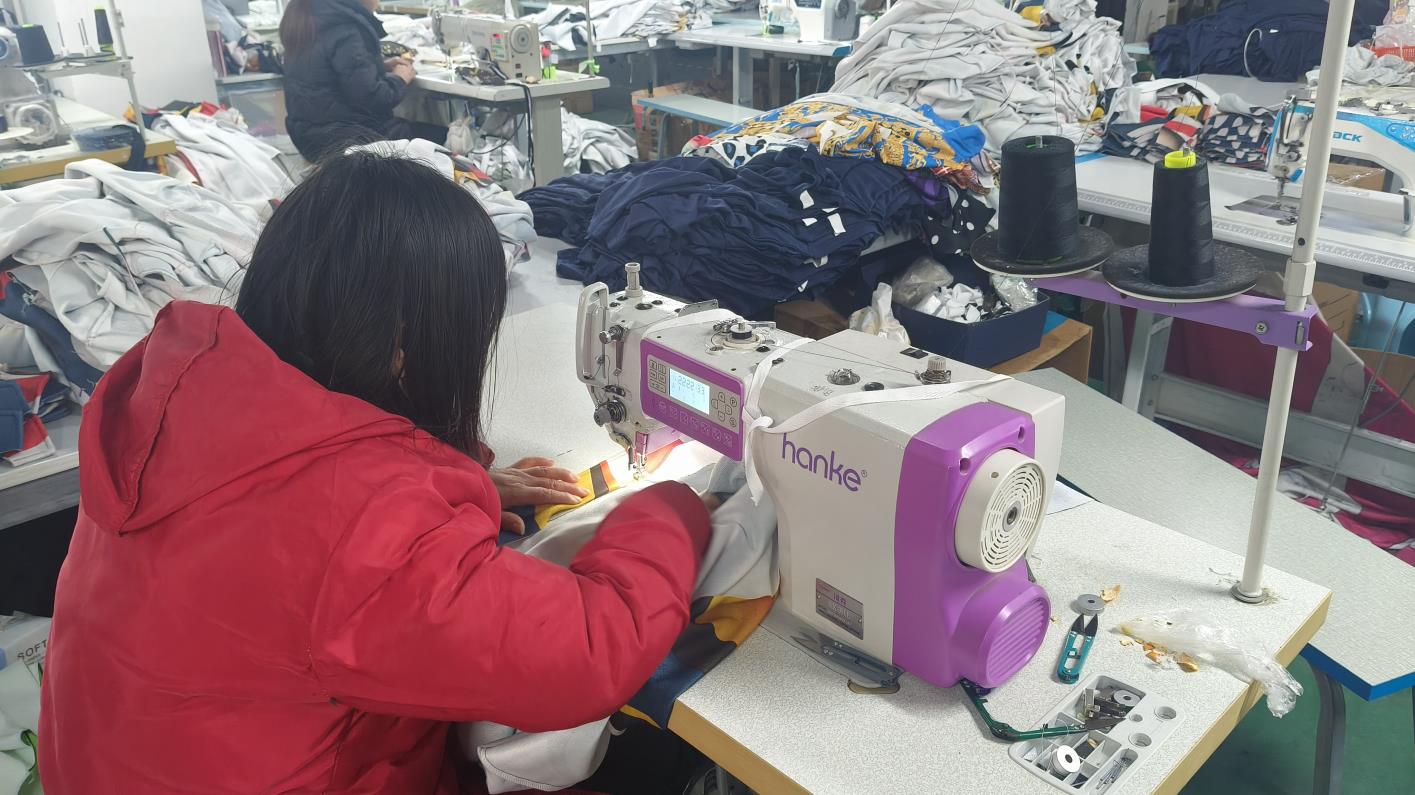
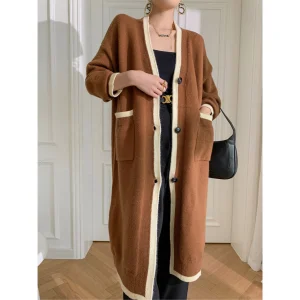
Dongguan, long known as the heart of global garment manufacturing, exemplifies this transformation. Facilities like Dongguan Bever Beauty Co., Ltd. show how integrating high-speed sewing machines with computer-aided design systems produces refined apparel, from delicate chiffon maxi dresses to complex knitted cardigans, at scale.
Since its establishment, Dongguan Bever Beauty Co., Ltd. has adhered to the philosophy of “the perfect fusion of design and manufacturing”, committing to continuous excellence in the women's apparel industry. With strong capabilities in both creative design and production management, the company focuses on delivering fashionable, high-quality, and practical women's clothing to global customers.
Dongguan Bever Beauty Co., Ltd. places strong emphasis on quality management, ethical production, and supply chain transparency. These certifications reflect our commitment to responsible manufacturing practices and consistent product quality. Through a well-structured production system and strict quality inspection standards, we ensure that every garment meets international requirements and customer expectations.
Looking forward, Dongguan Bever Beauty Co., Ltd. will continue to focus on women's fashion apparel, strengthening its capabilities in design innovation, fabric development, and manufacturing excellence. We aim to deliver more versatile and fashionable clothing solutions that empower women to express their style with confidence in every moment.
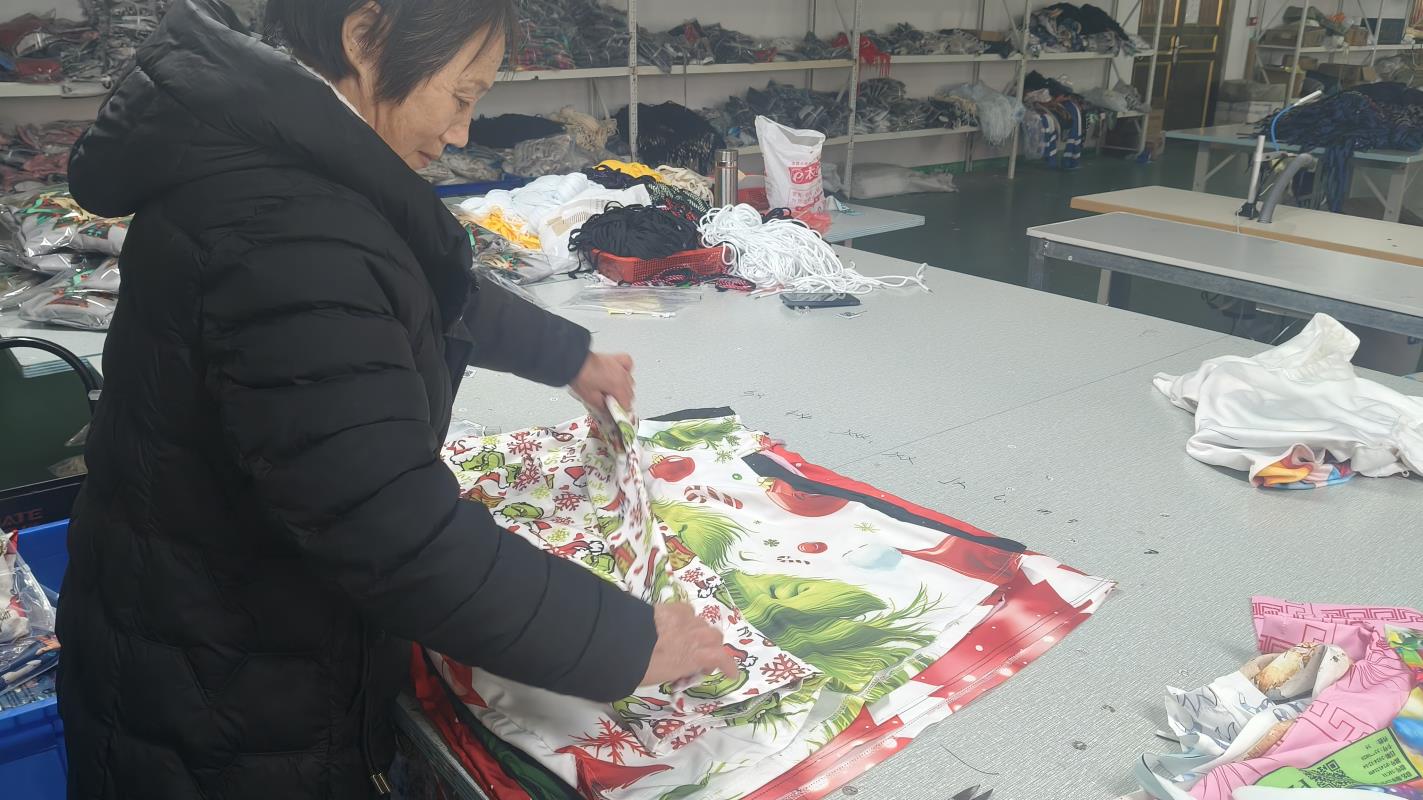
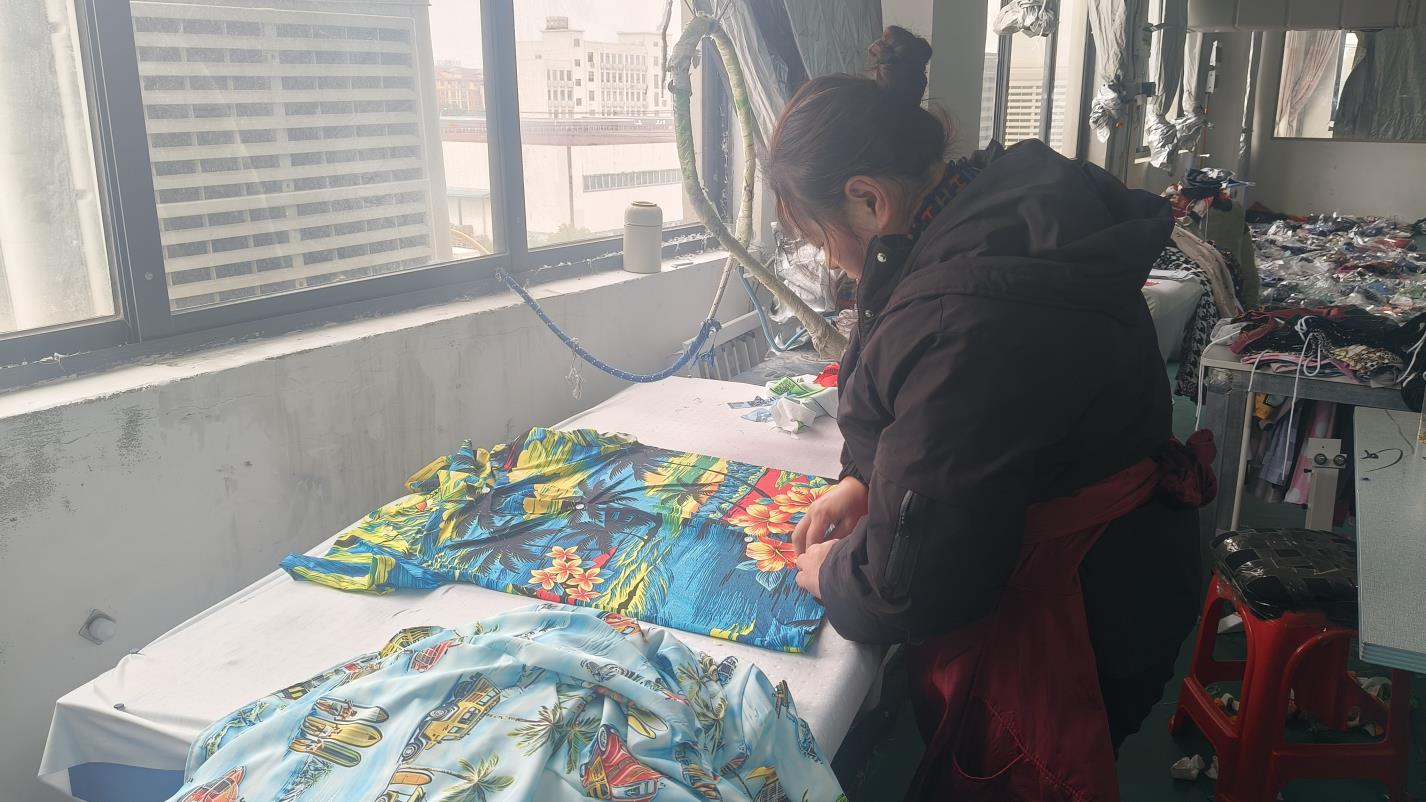
A visual walkthrough of our state-of-the-art production pipeline, showing where raw textiles are transformed into high-fashion garments.
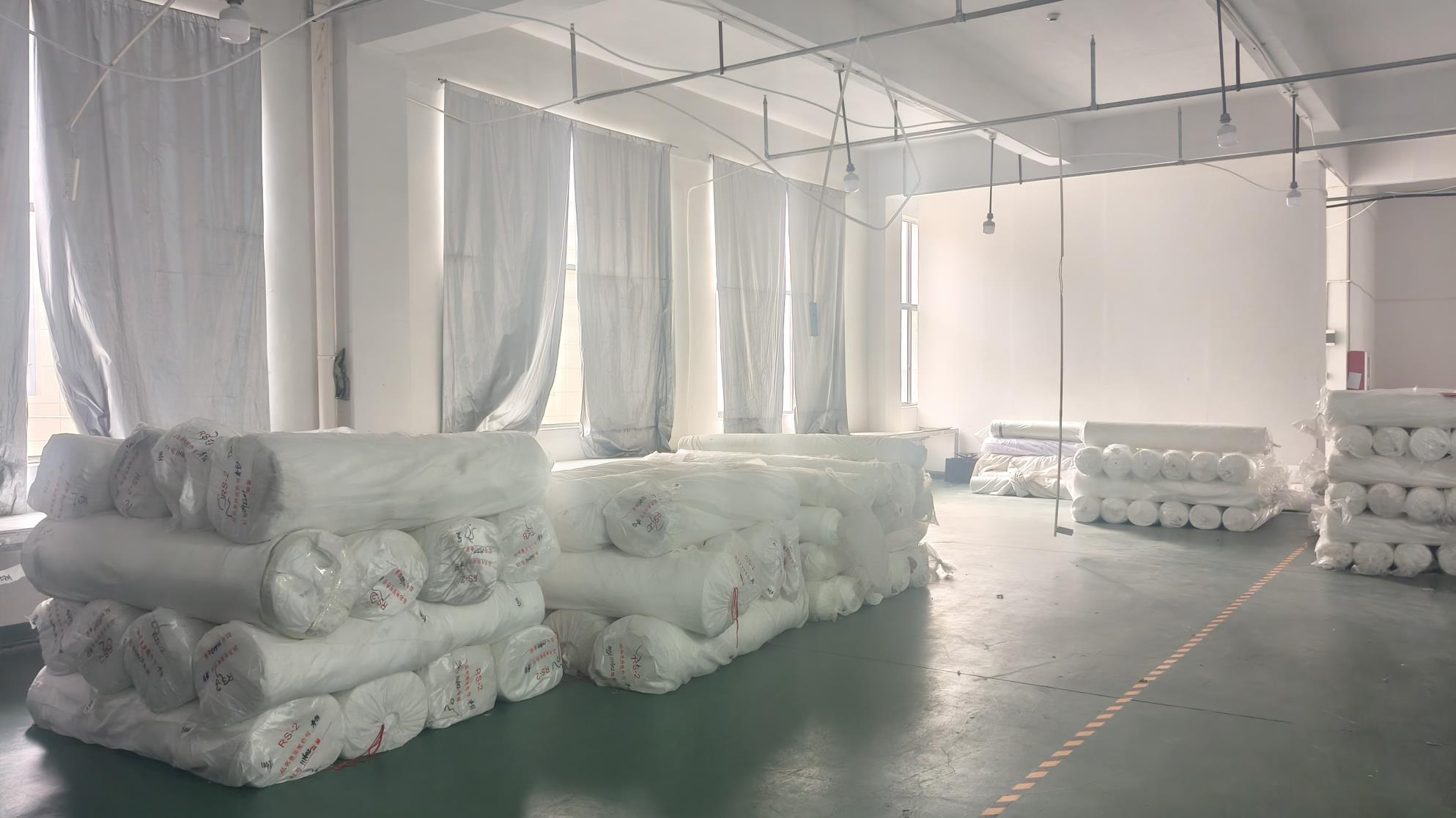
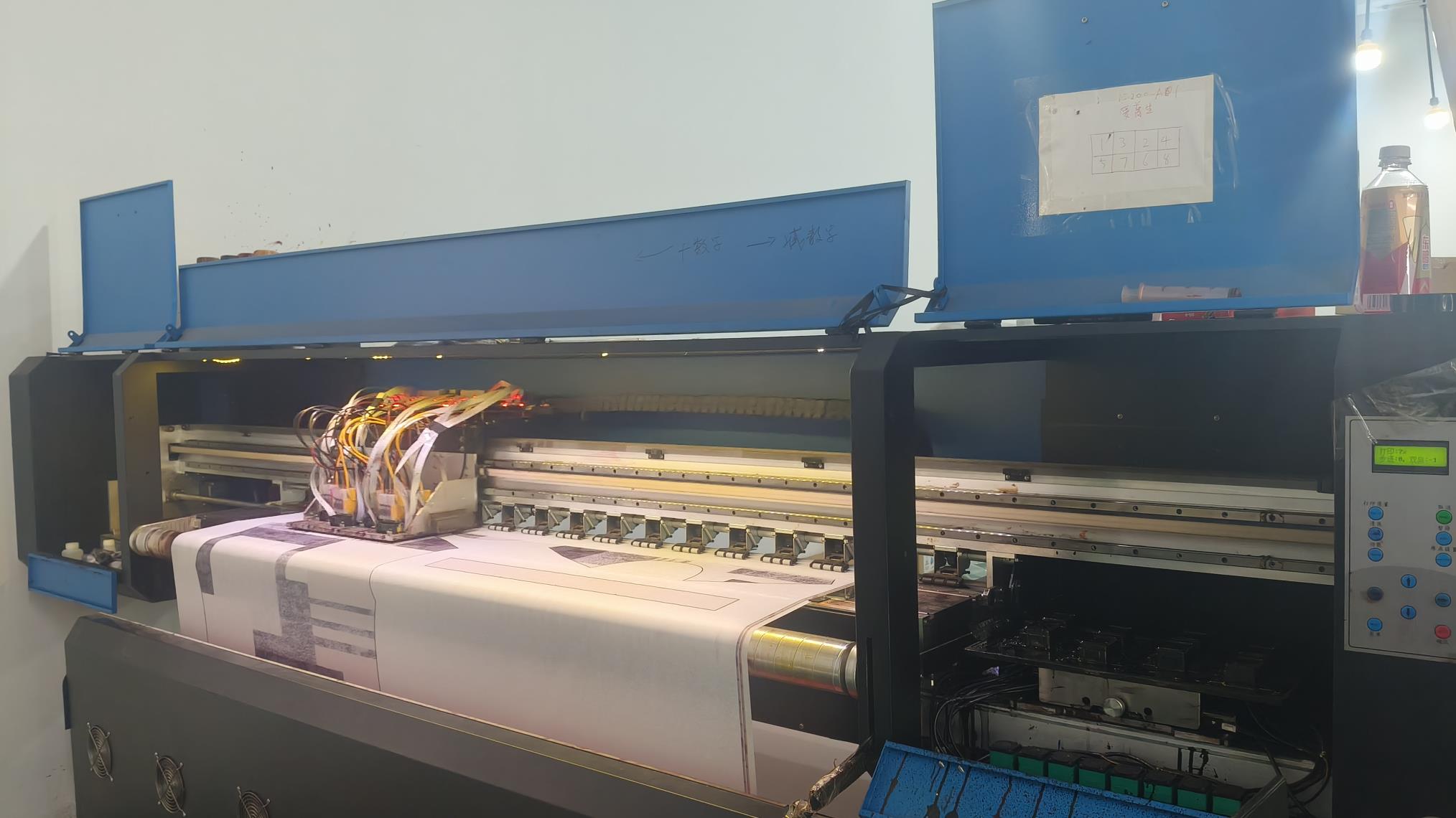
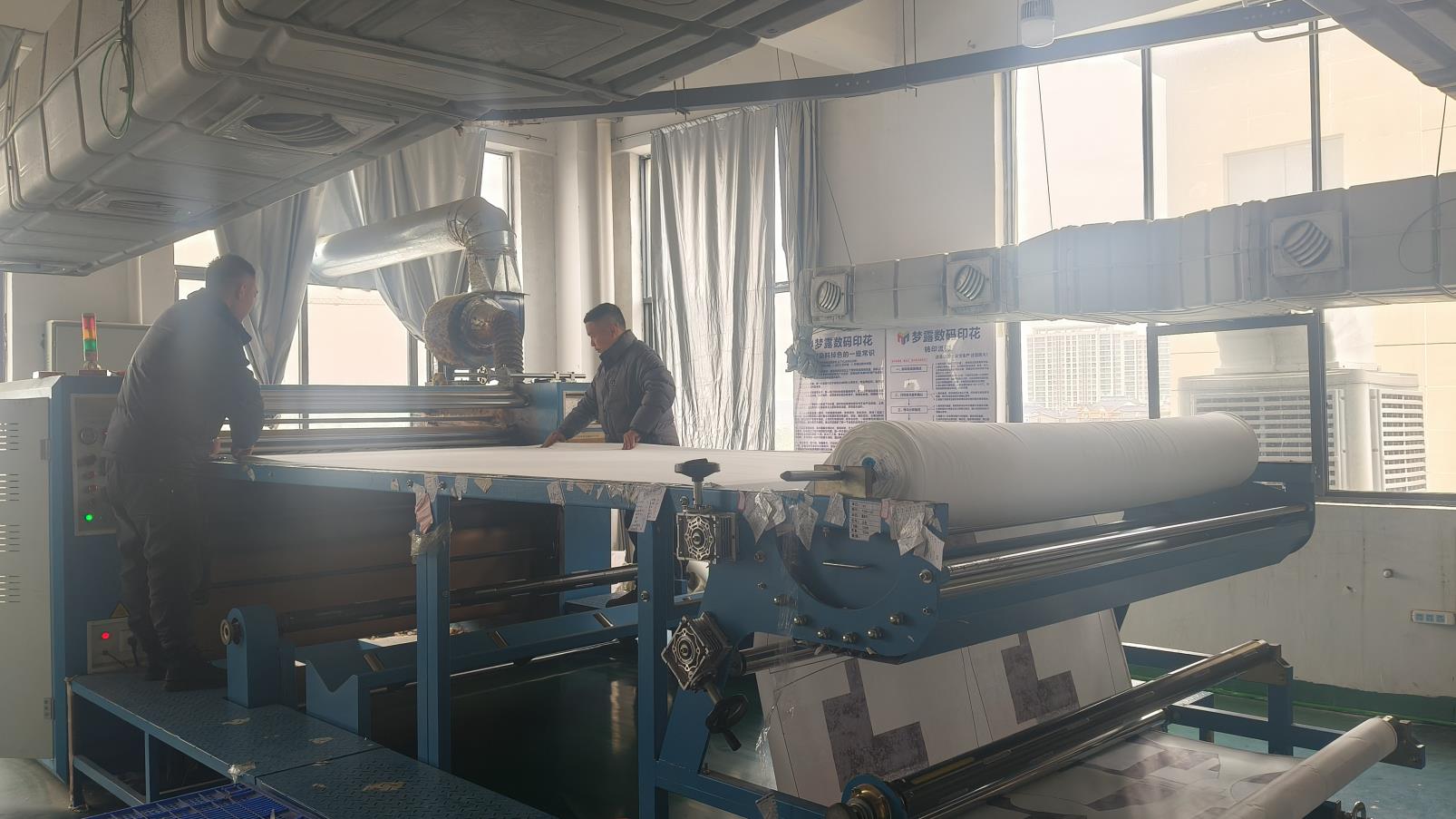
Kaftans are highly versatile garments, but their commercial success depends on adapting designs to regional cultural requirements. Successful brands segment their product lines into distinct localized scenarios:
Sourcing teams must establish clear criteria when shortlisting kaftan factories. To avoid common production delays and quality variations, procurement managers should follow this evaluation checklist:
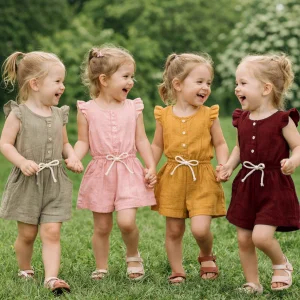
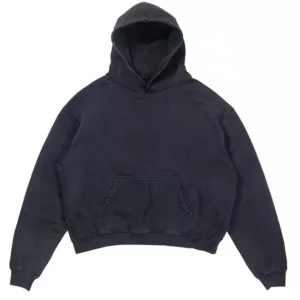
Explore our expanded catalog, showcasing high-grade cardigans, casual dresses, and street-ready loungewear options.


 Bever Beauty