In the modern fast-fashion and high-performance accessory sectors, belts represent far more than functional hardware. They are the defining accent of style, structural silhouettes, and identity. Finding the right manufacturer requires a deep dive into global capacities, ethical supply chains, and technical capabilities.
Production hubs span across East Asia (Dongguan, Wenzhou), Southeast Asia, and luxury clusters in Italy. Manufacturers in Dongguan lead the global supply chain with unparalleled efficiency, combining advanced textile operations with premium component assemblies.
Regulatory frameworks such as European REACH standards, California Proposition 65, and CITES certifications dictate today's raw material selection. Modern factories ensure zero lead, nickel-free plating, and bio-compatible synthetic base polymers.
Leading leather and vegan belt manufacturing factories are shifting from hazardous chromium tanning processes to vegetable-based extraction methods, alongside utilizing waterborne polyurethane and recycled ocean plastic webbing.
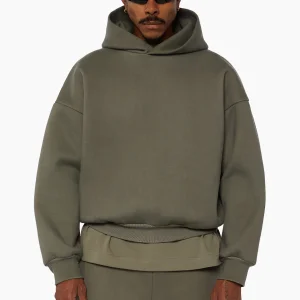
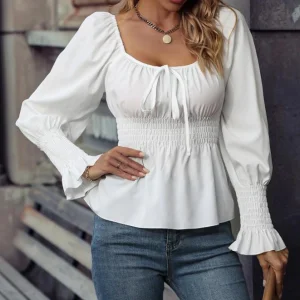
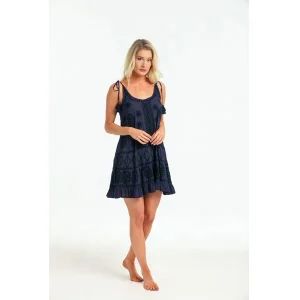
Since its establishment, Dongguan Bever Beauty Co., Ltd. has always adhered to the philosophy of “the perfect fusion of design and manufacturing”, and is committed to continuous excellence in the apparel and premium accessories industry. With strong capabilities in both creative design and production management, the company focuses on delivering fashionable, high-quality, and practical wear and accessories to global customers.
Dongguan Bever Beauty Co., Ltd. places strong emphasis on quality management, ethical production, and supply chain transparency. The company has obtained multiple internationally recognized certifications, reflecting our commitment to responsible manufacturing practices and consistent product quality:
Take a digital look inside our integrated fabrication processes:
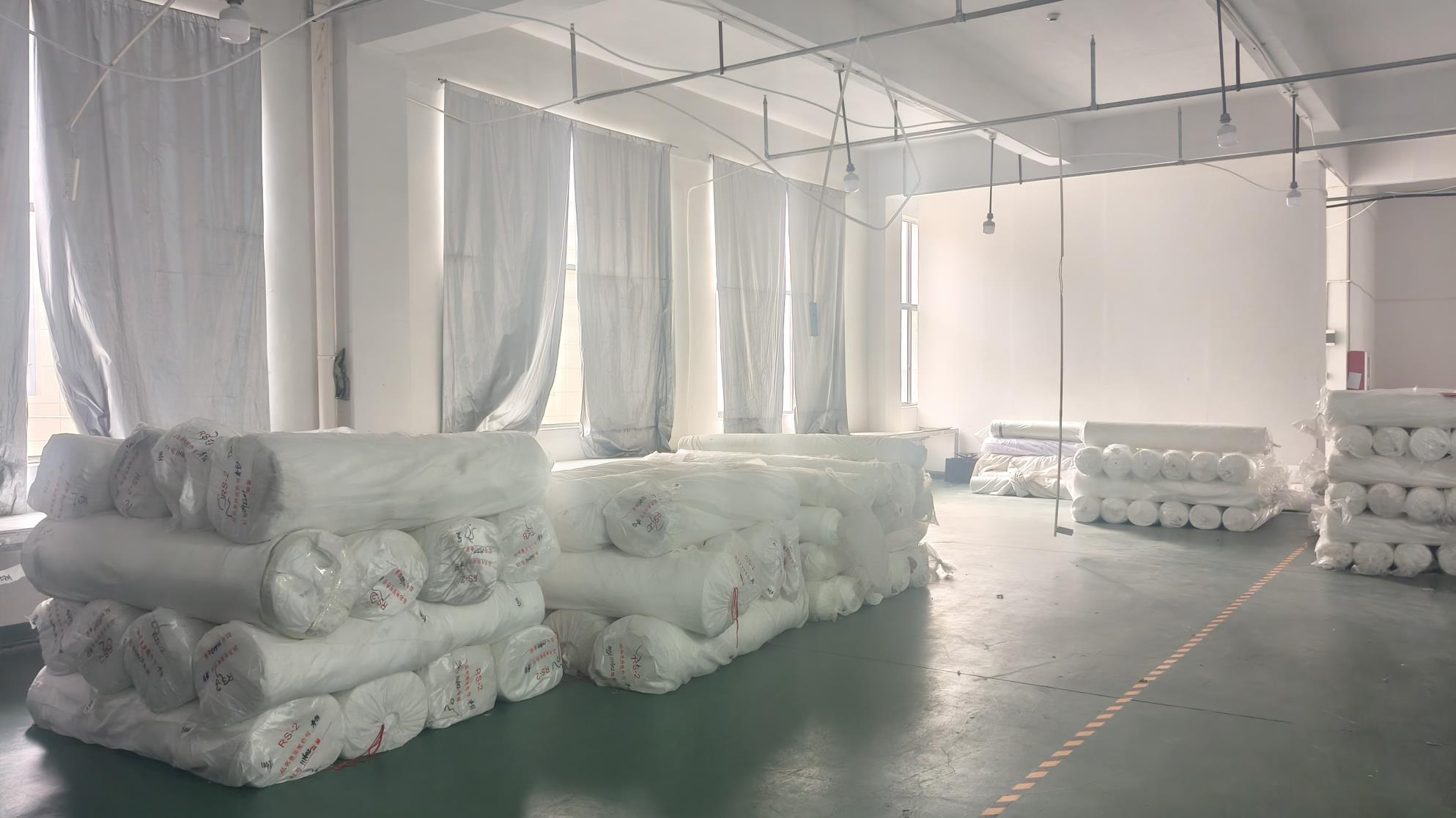
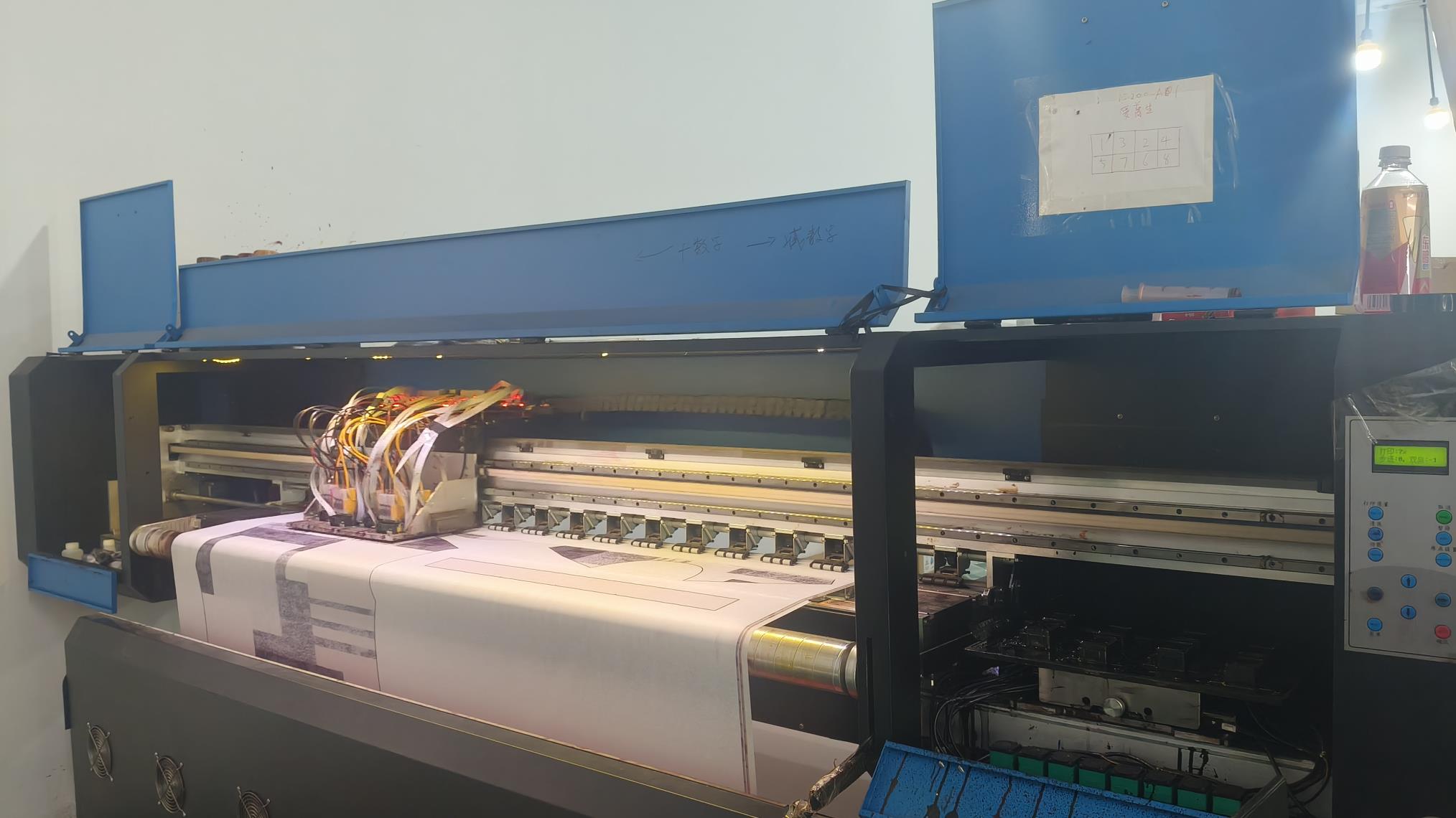
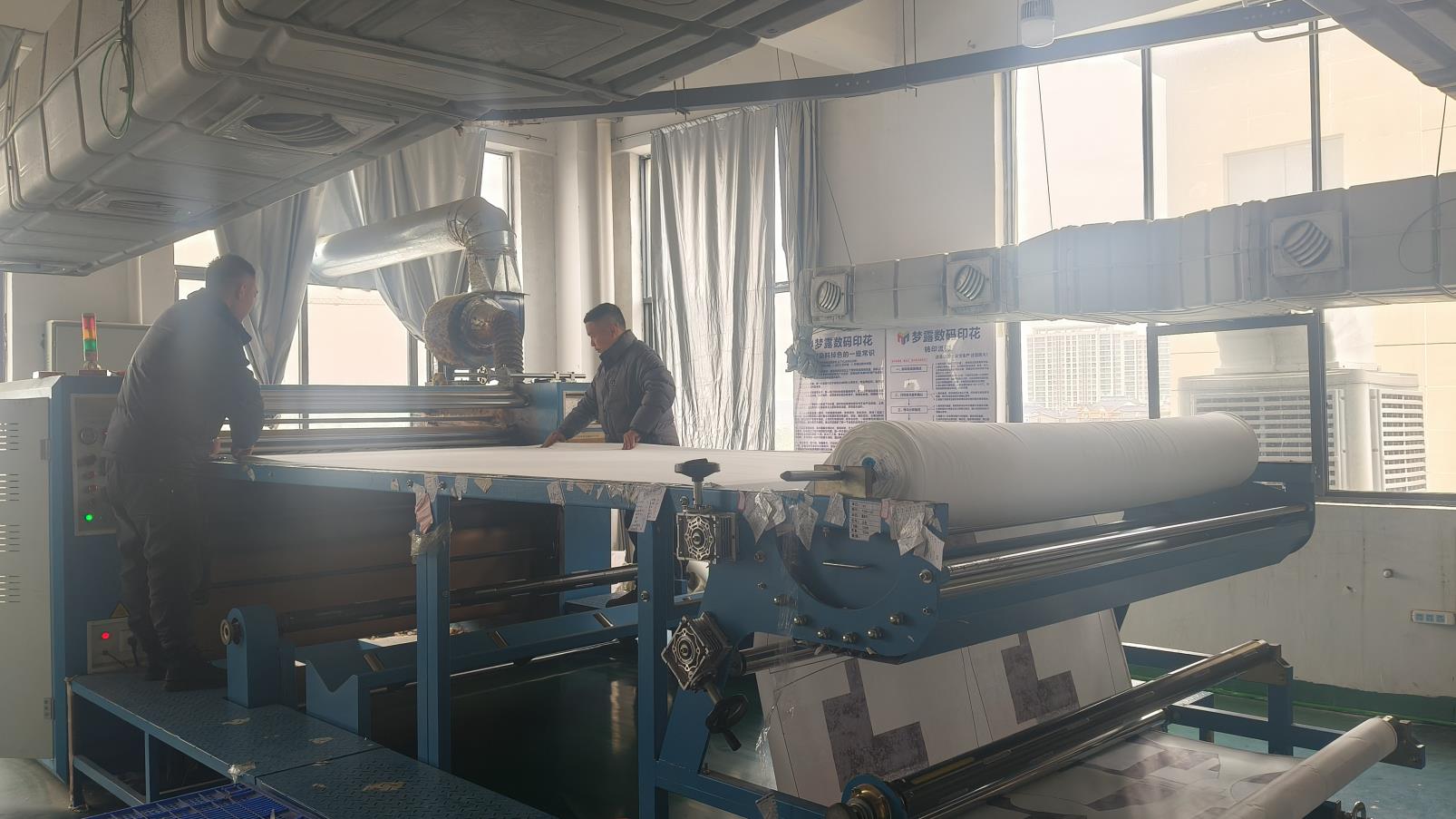
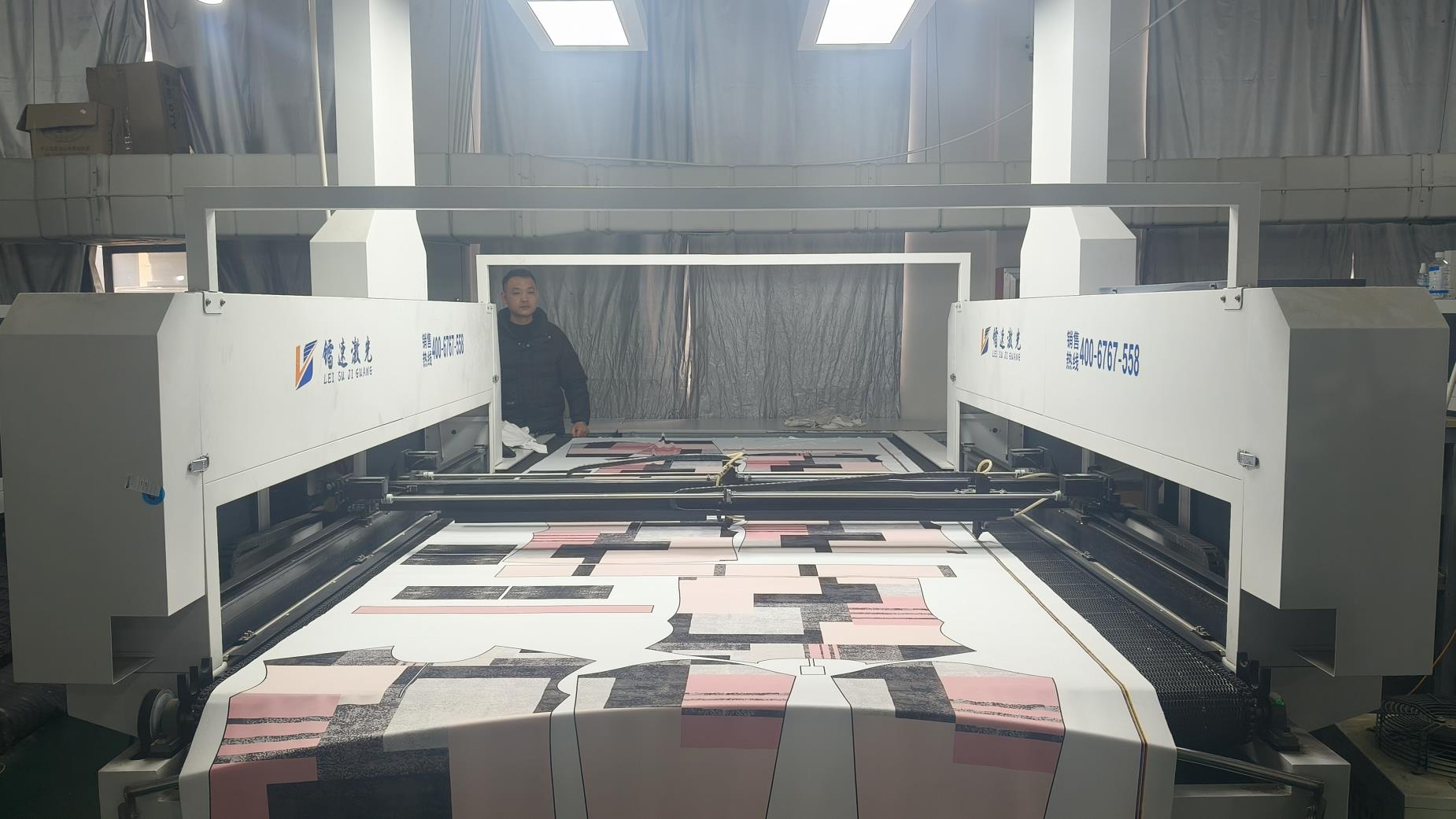
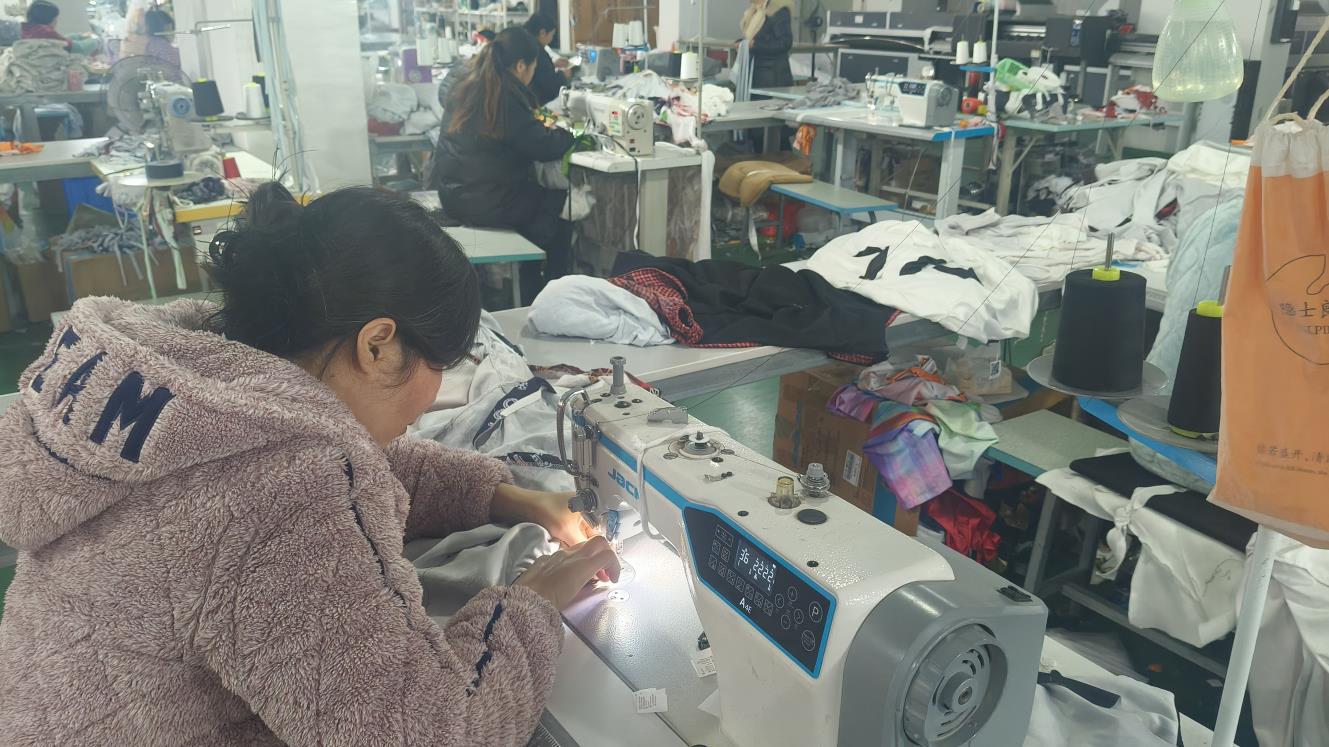
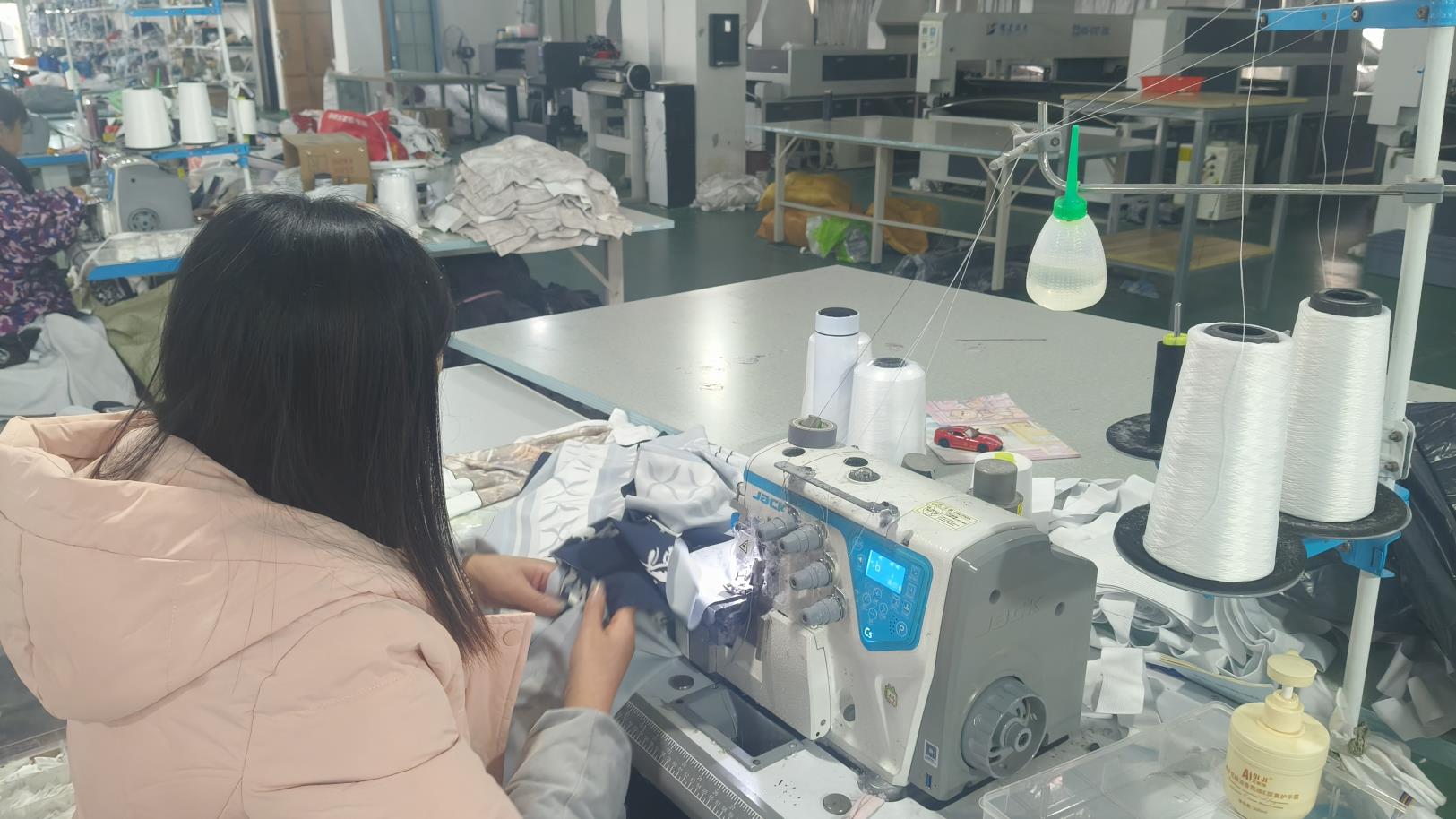
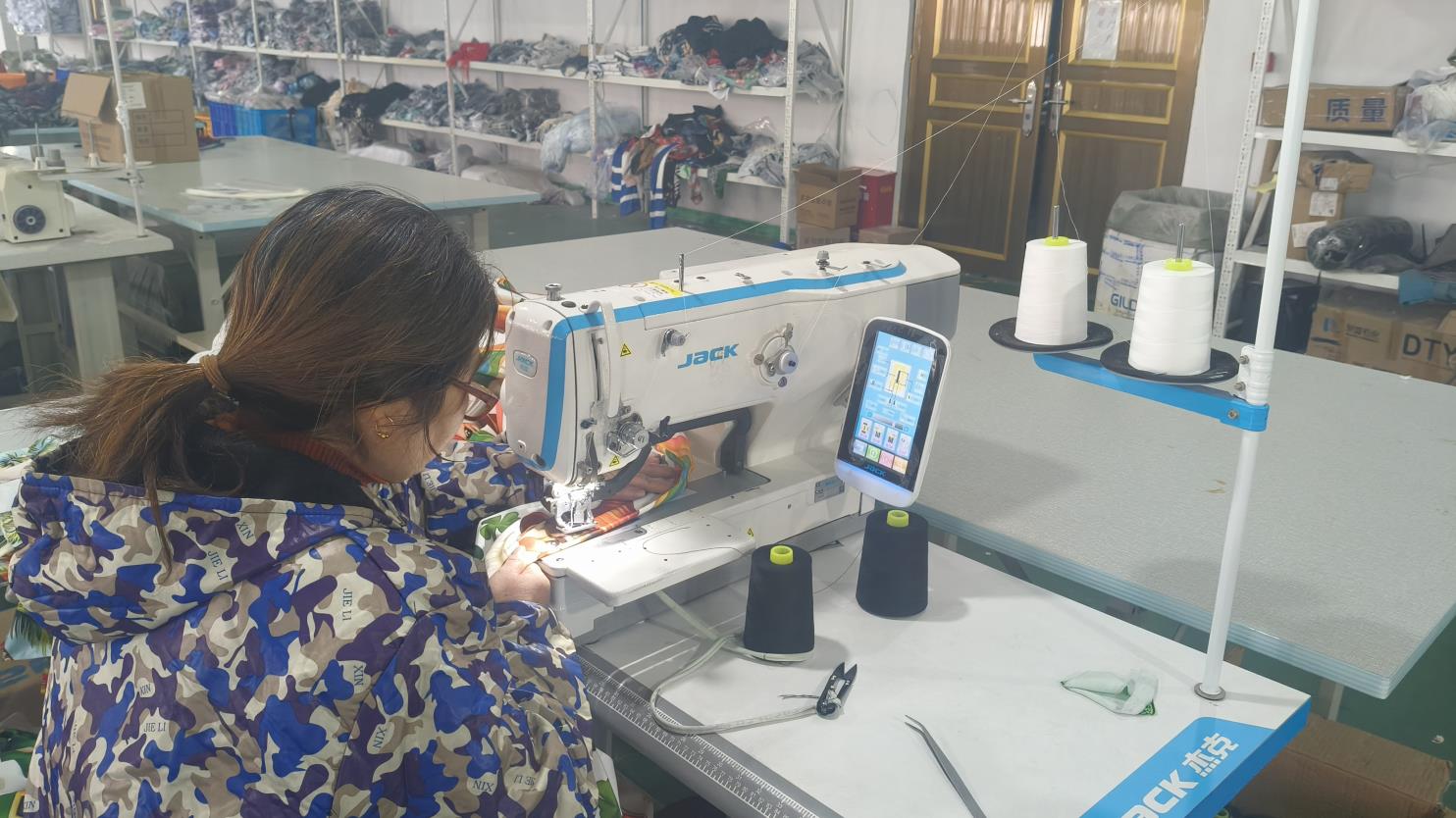
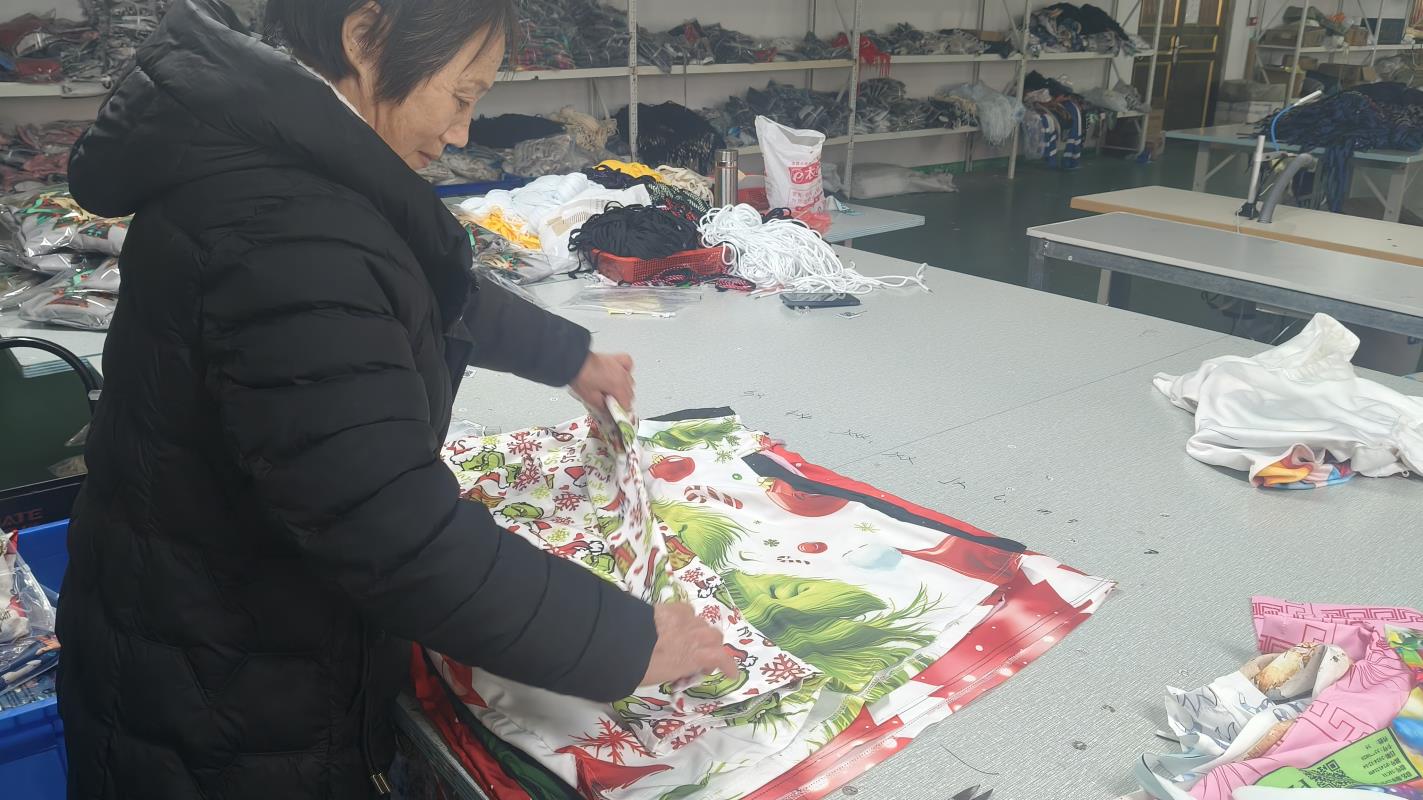
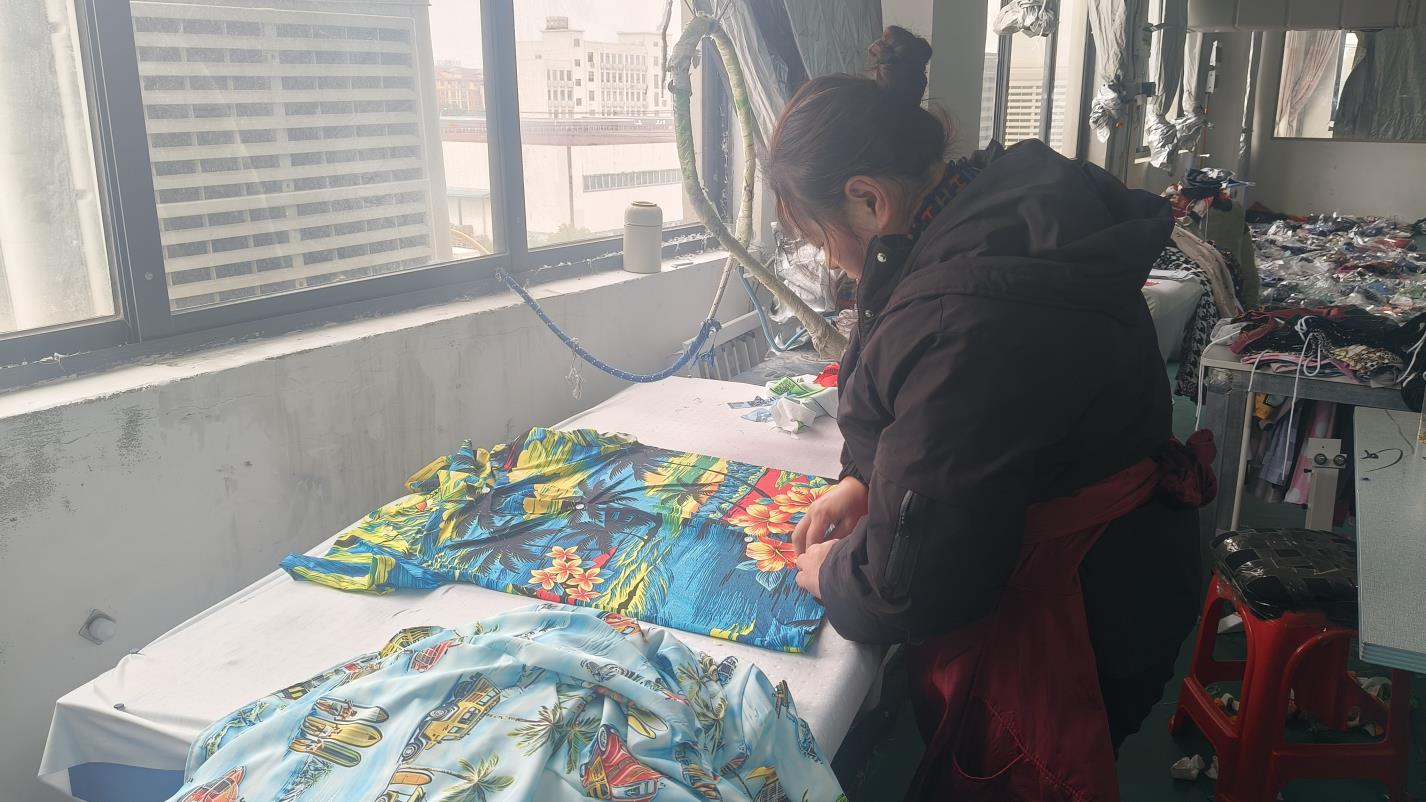
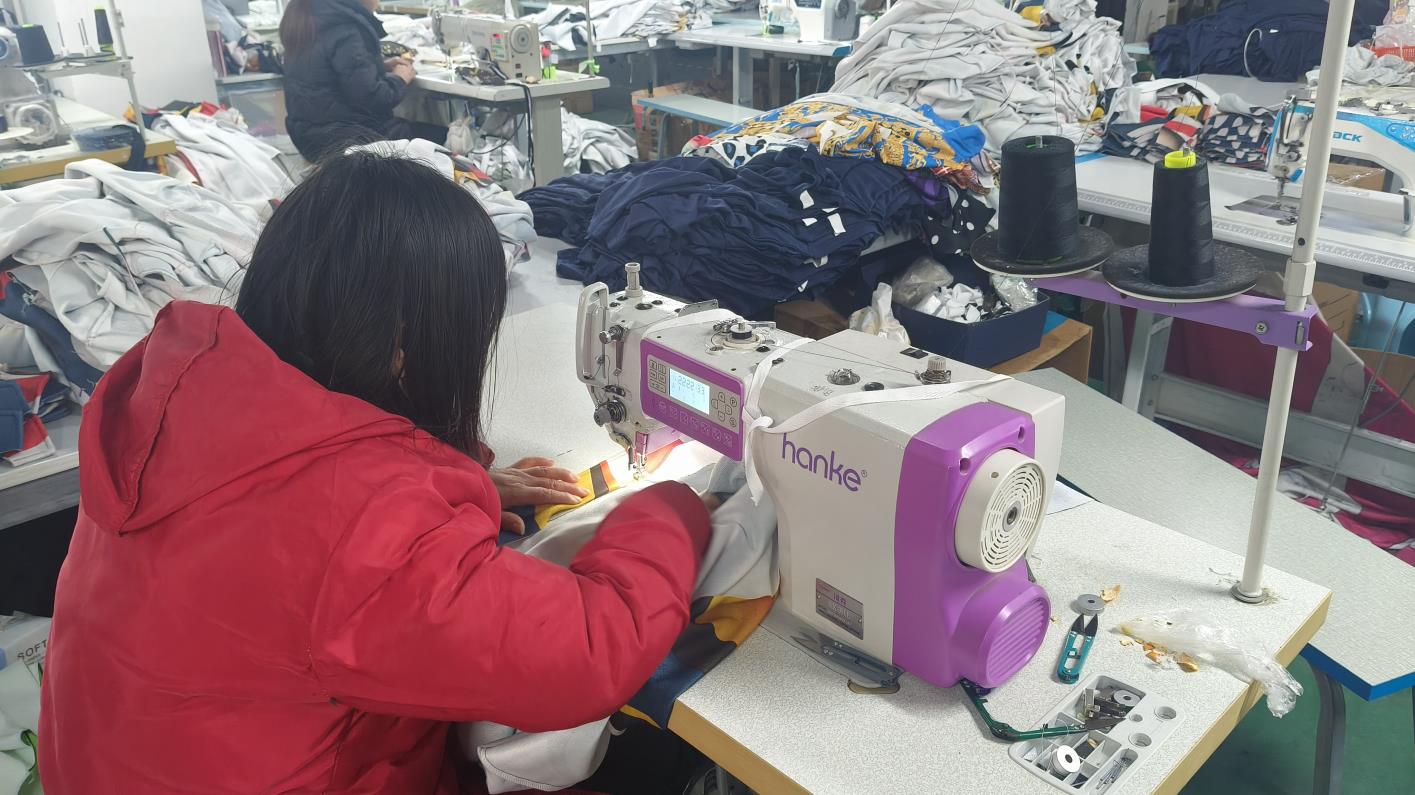
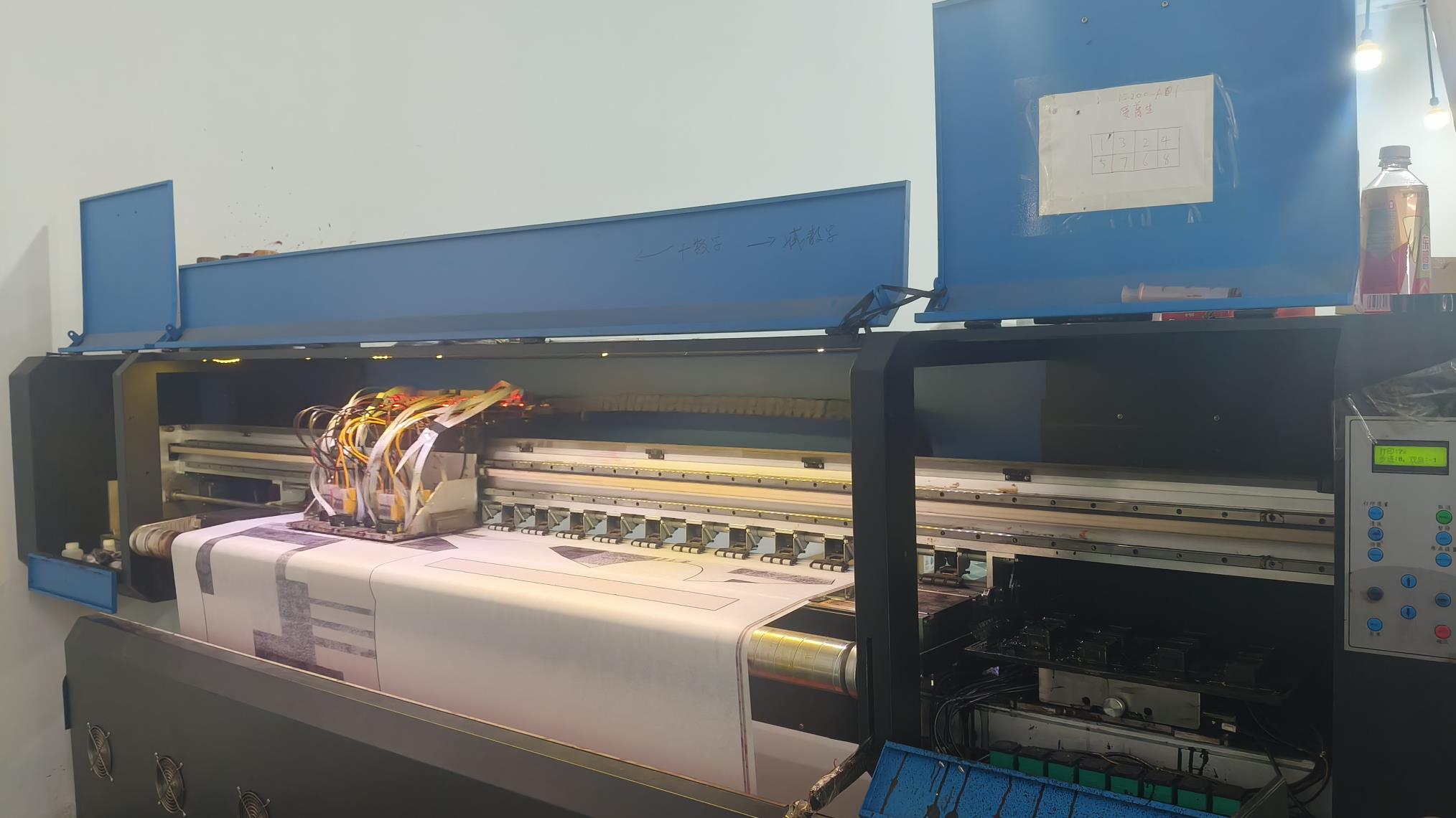
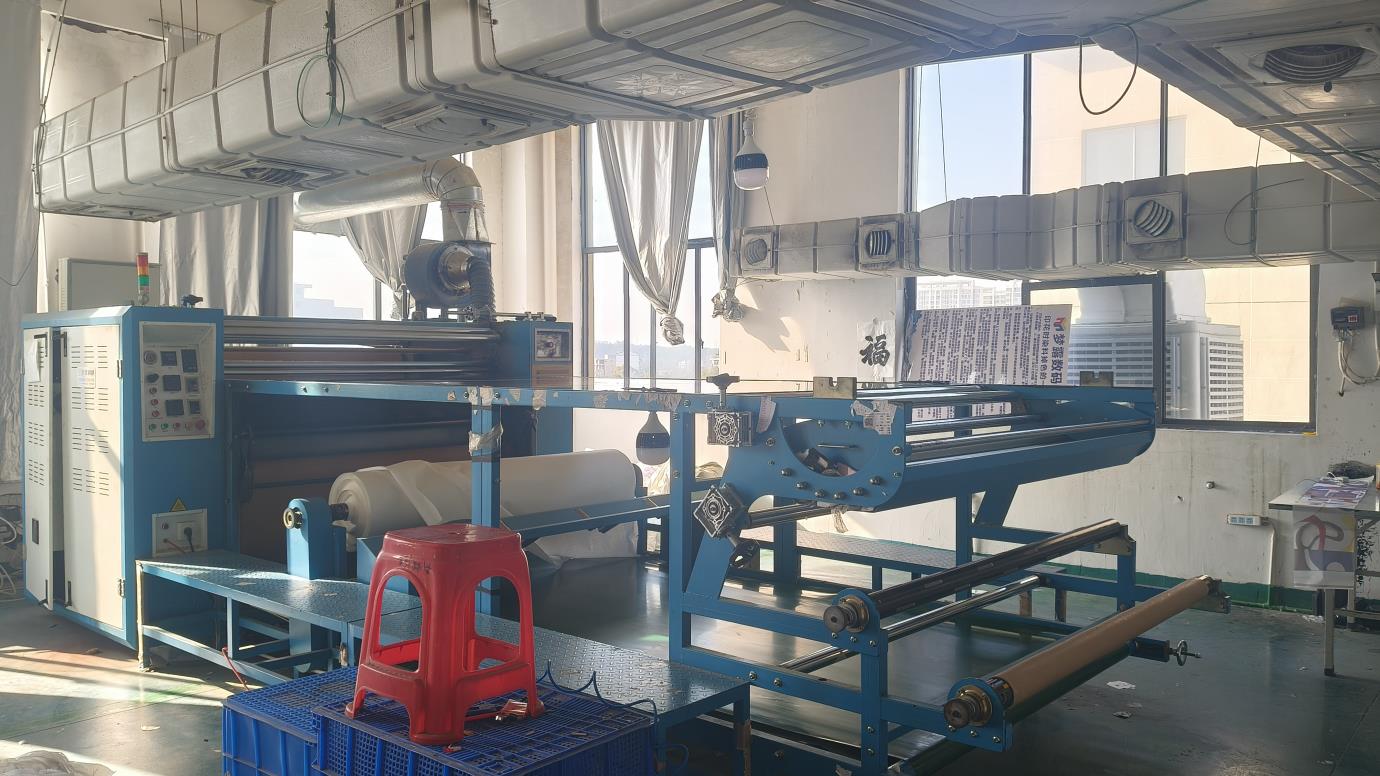
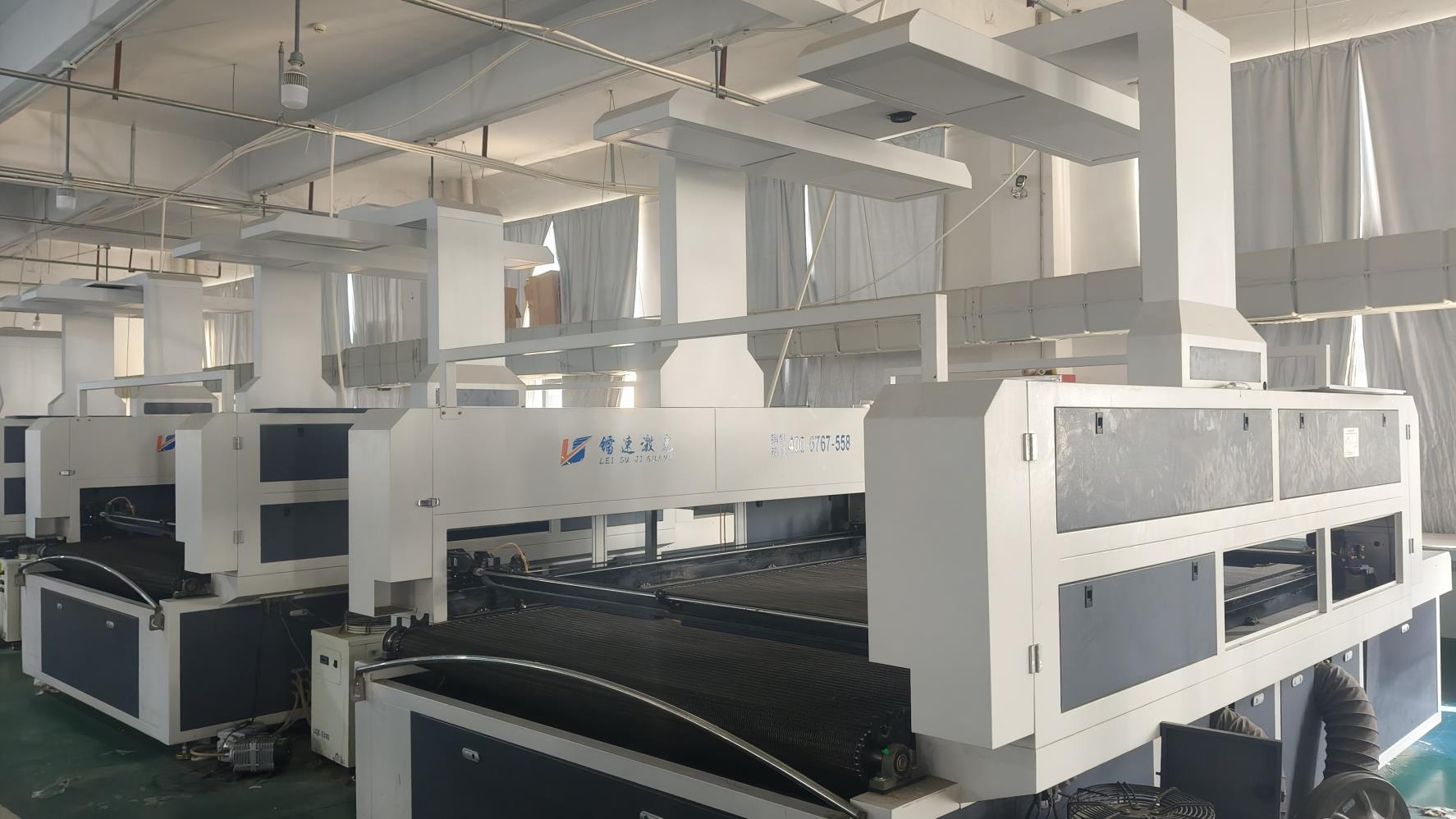
Sourcing apparel accessories and functional belts requires complex quality verifications. Underperforming hardware or cheap bonding adhesive can result in brand-tarnishing product failures. Follow this strategic blueprint during audit assessments:
| Evaluation Parameter | Industry Standard Requirement | Advanced Manufacturer Benchmark (e.g. Bever Beauty) |
|---|---|---|
| Edge Finish Integrity | Edge paint applied in 1-2 layers; susceptible to cracking. | Multiple-stage hand-sanded and edge-dyed (4+ layers) or heat-sealed premium borders. |
| Tensile Strength Limits | Less than 60 lbs break limit on structural seams. | 120+ lbs minimum yield threshold on heavy duty joints & custom buckles. |
| Metal Hardware Coating | Standard flash electroplating (high tarnish vulnerability). | PVD vacuum metallization or heavy acid-resistant protective clear coat. |
| Environmental Safety | Basic testing for lead. | Compliance with REACH, California Prop 65, and Oeko-Tex Standard 100 for synthetic materials. |
Premium belt production centers on custom buckle development. Top factories have in-house zinc-alloy die-casting and precision molding tools, allowing client logos to be etched, debossed, or cast directly into high-grade hardware.
For genuine leather belts, factories must supply LWG (Leather Working Group) certifications ensuring eco-benign beamhouse and tannery practices. Synthetic PU options should use solvent-free resins that do not release VOC emissions.
Computerized pattern stitching systems ensure consistent stitch counts (SPI: 8-10 stitches per inch) and precise stitch margins. This prevents thread fraying even under intensive tension testing.
Different market segments demand distinct raw material performance profiles. Our manufacturing processes cater to various industry verticals worldwide:
Focuses on full-grain cowhide leather, hand-painted bevel edges, custom logo buckles, and velvet dust packaging. Tailored for major premium distribution brands in North America, Western Europe, and Japan.
Prioritizes high durability, scuff-resistant split leather, or ultra-tough high-density nylon webbing. Features automated micro-adjustment tracks rather than traditional punch holes for long-term comfort.
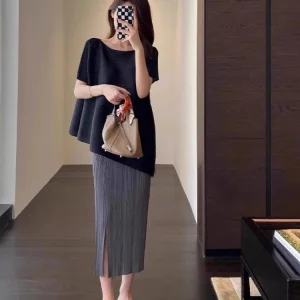
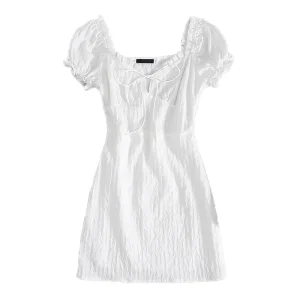
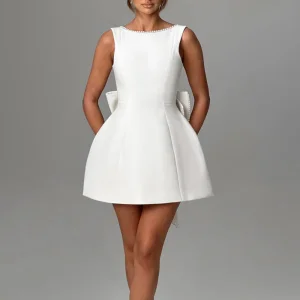
Integrates pleating, embroidery, and digital printing techniques where belts are manufactured as part of two-piece coordinate sets, trench coats, or evening gowns.
Sustainable manufacturing is steering the course of the global belt and fashion accessories industries. The integration of digital processes and automated cutting systems minimizes waste while maximizing product uniformity.
Deploying smart CAD software to automatically position buckle holes and strip cuts across leather hides. This cuts raw material waste by 18-25% compared to manual hide layout methods.
Replacing traditional solvent-based chemical PU with waterborne options. This eliminates organic solvent release in factories, protecting line operators and ensuring compliant products for eco-conscious global brands.
Developing products from recycled leather fibers (reconstituted leather dust) and using 100% recycled post-industrial scrap brass or zinc for heavy-duty buckle casting.
Professional insights into bulk belt production, compliance, logistics, and design customization.
 Bever Beauty