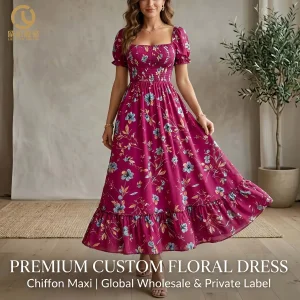
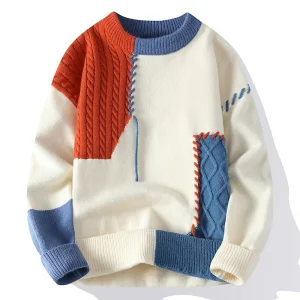
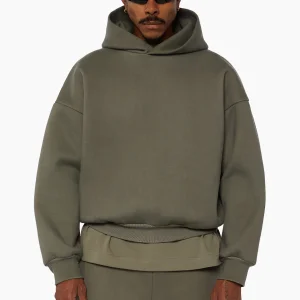
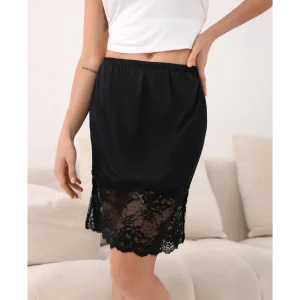
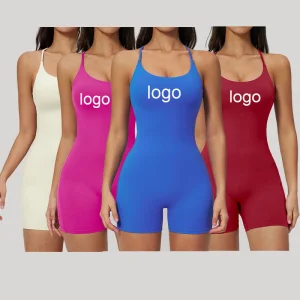
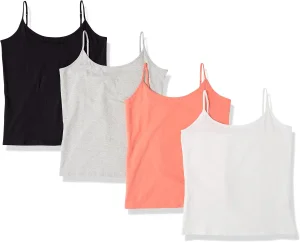
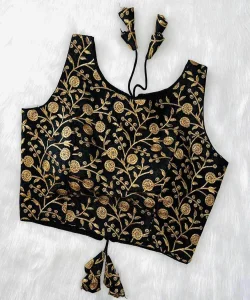
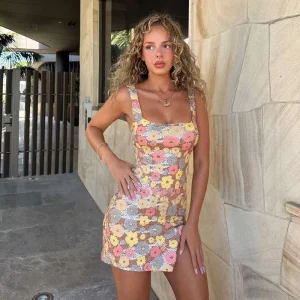
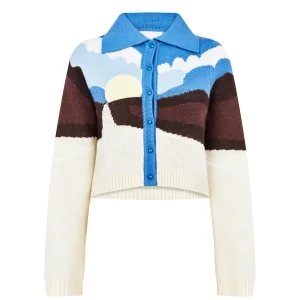
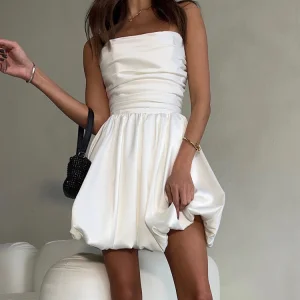
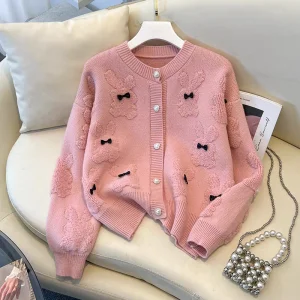
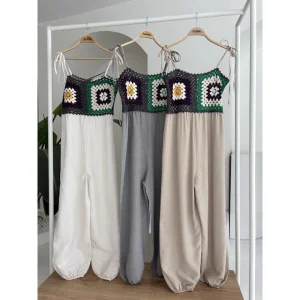
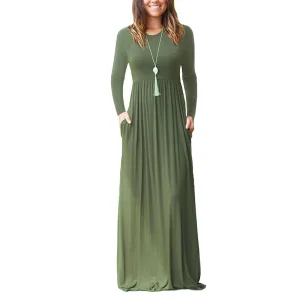
Explore our trending high-performance fabric solutions, bespoke knitwear, and contemporary athletic silhouettes designed for global export.
The global activewear market has experienced a profound shift. No longer limited to casual wear or traditional gyms, athletic leggings have evolved into a highly technical, multi-functional wardrobe essential. For brand owners, procurement managers, and bulk importers, finding a supplier that bridges the gap between raw fabric science and lean manufacturing is critical for market survival.
High-quality athletic leggings demand exact engineering: optimizing tensile strength, ensuring 100% squat-proof opacity, managing moisture vapor transmission rates (MVTR), and utilizing flatlock ergonomic seams. In this B2B intelligence report, we analyze the manufacturing dynamics, technological advancements, and sourcing methodologies that position leading suppliers at the top of the global activewear supply chain.
Since its establishment, Dongguan Bever Beauty Co., Ltd. has always adhered to the philosophy of "the perfect fusion of design and manufacturing", and is committed to continuous excellence in the women's apparel industry. With strong capabilities in both creative design and production management, the company focuses on delivering fashionable, high-quality, and practical women's clothing to global customers.
Each piece is thoughtfully designed and strictly controlled throughout the production process, from concept development to final manufacturing. Our goal is to ensure that every product meets high standards in design detail, fabric quality, and wearing experience, while continuously adapting to evolving fashion trends.
Looking forward, Dongguan Bever Beauty Co., Ltd. will continue to focus on women's fashion apparel, strengthening its capabilities in design innovation, fabric development, and manufacturing excellence. We aim to deliver more versatile and fashionable clothing solutions that empower women to express their style with confidence in every moment.
Dongguan Bever Beauty Co., Ltd. places strong emphasis on quality management, ethical production, and supply chain transparency. The company has obtained multiple internationally recognized certifications, reflecting our commitment to responsible manufacturing practices and consistent product quality:
Through a well-structured production system and strict quality inspection standards, we ensure that every garment meets international requirements and customer expectations.
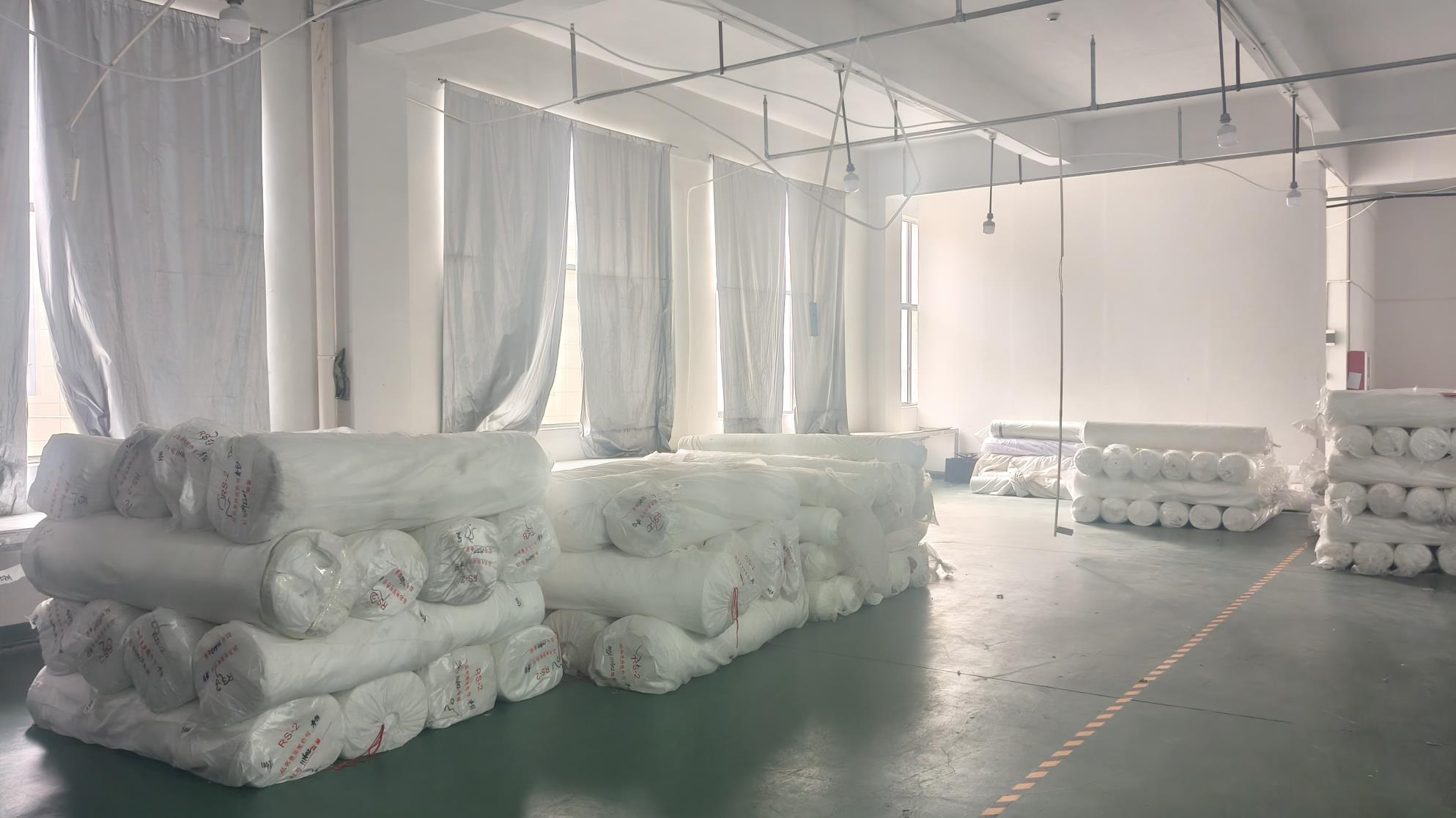
Take a step inside our advanced manufacturing facility in Dongguan. Our clean, certified production line utilizes state-of-the-art machinery to guarantee structural integrity and pristine garment construction.
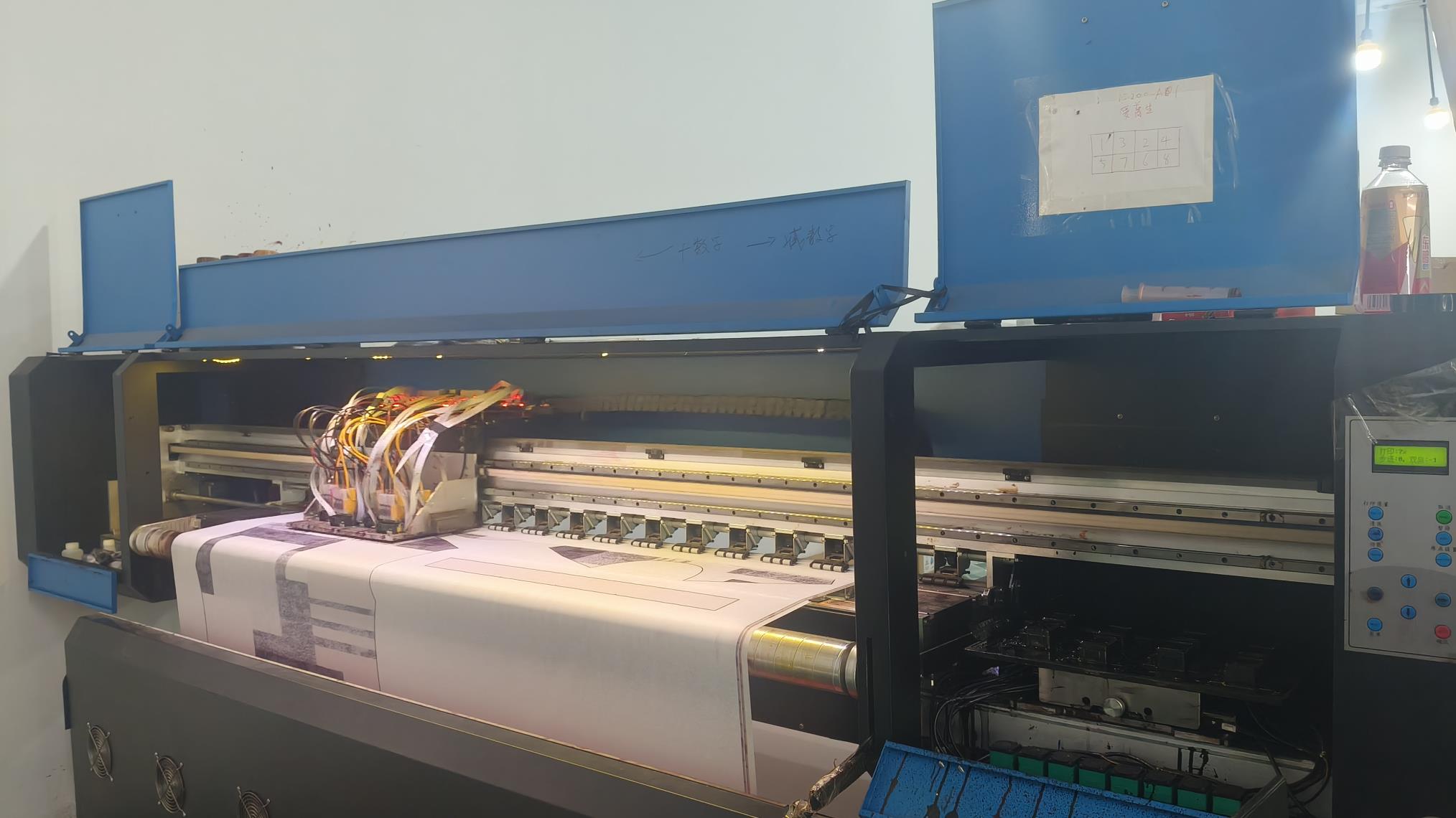
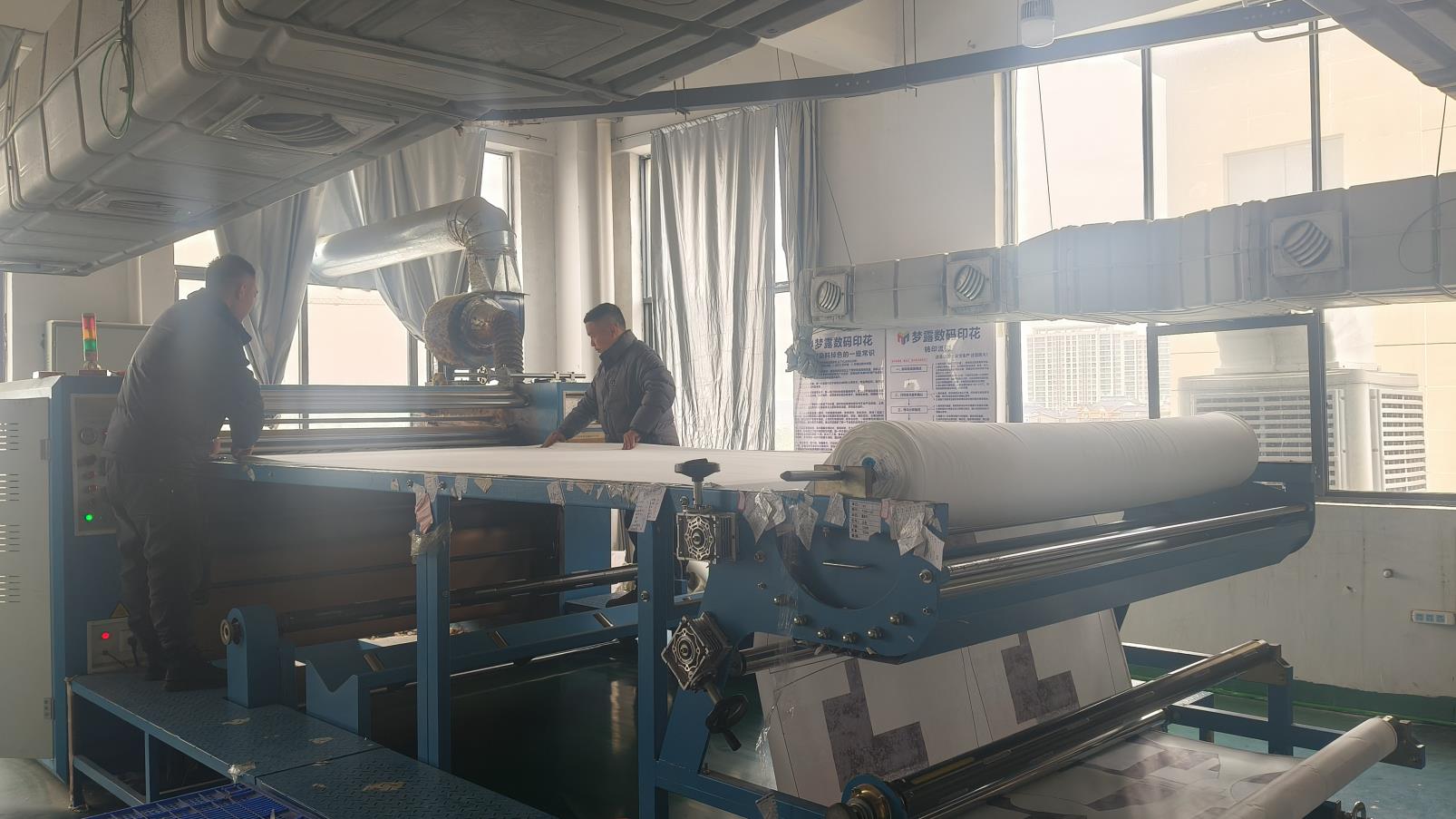
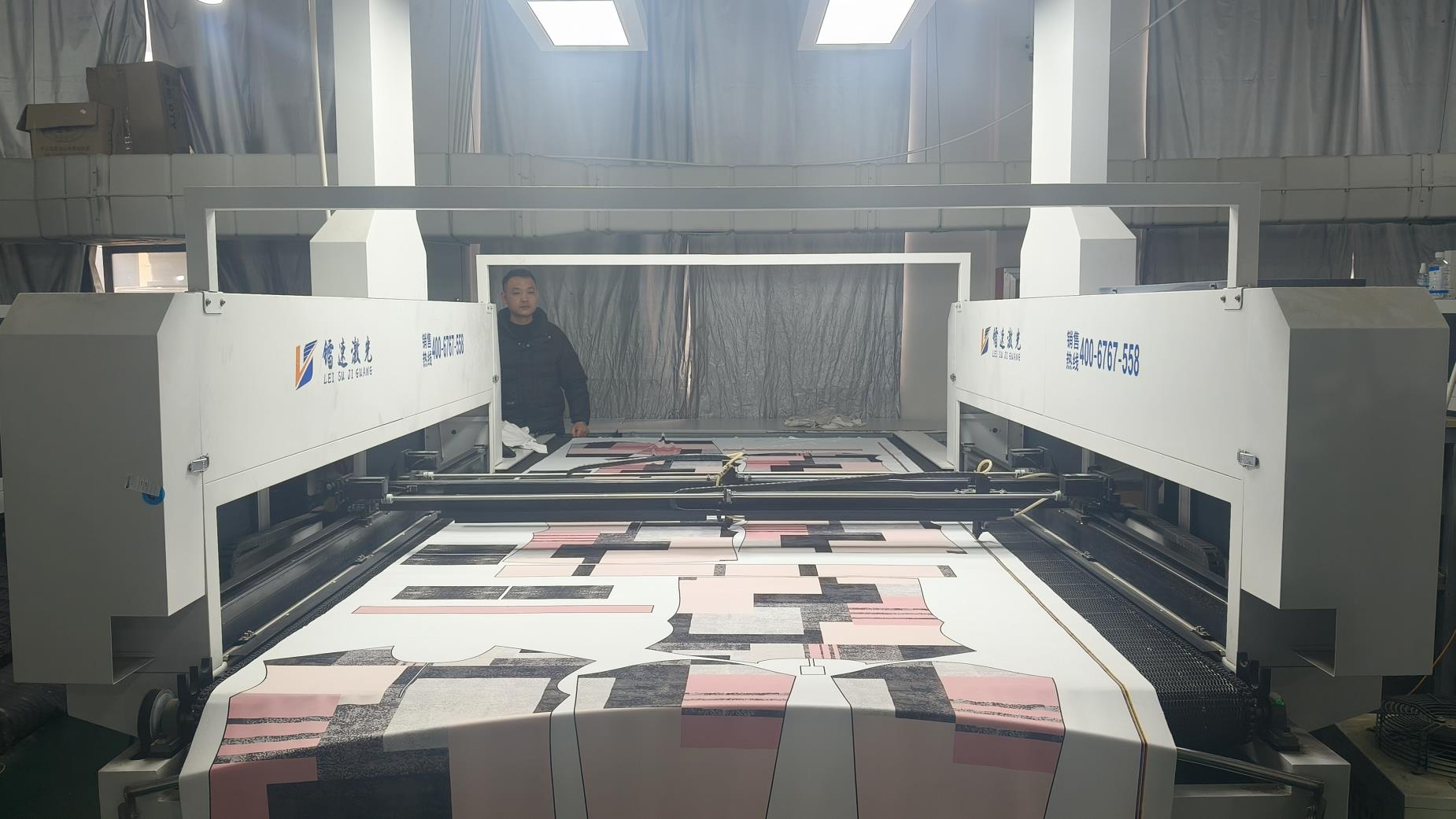
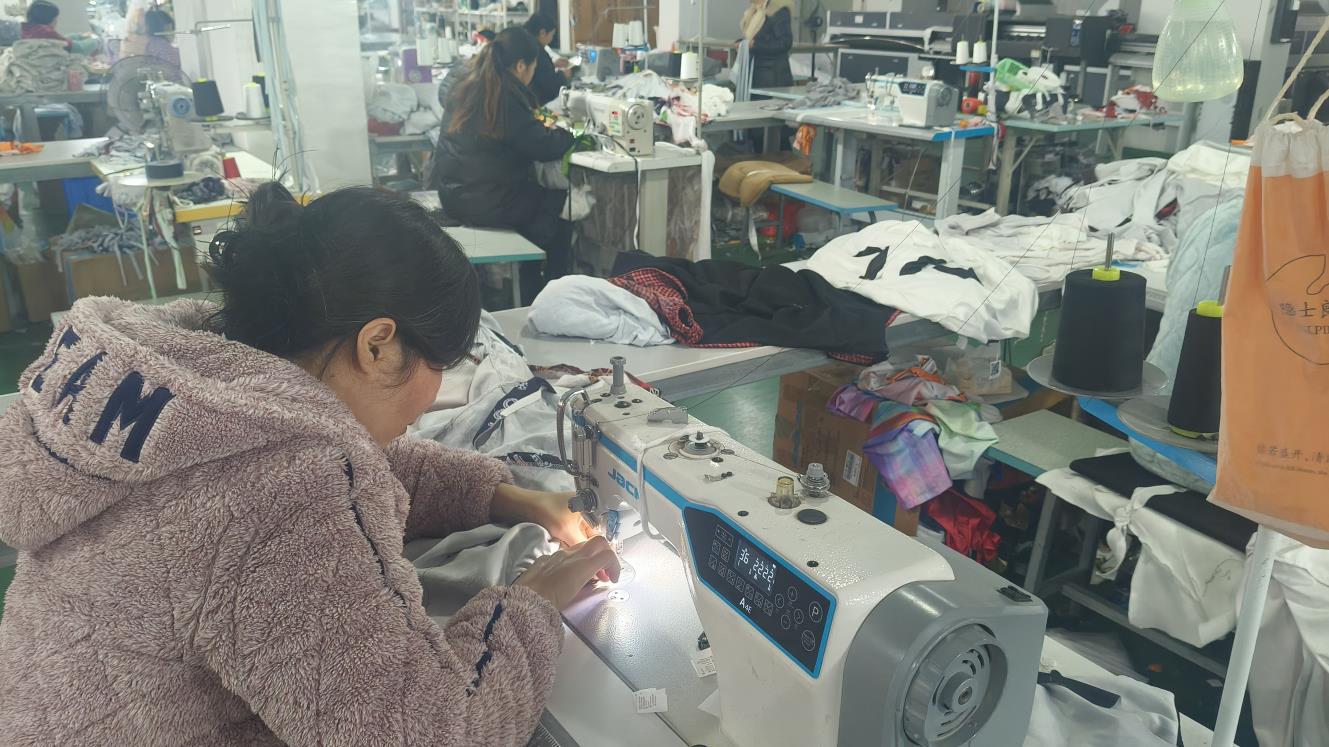
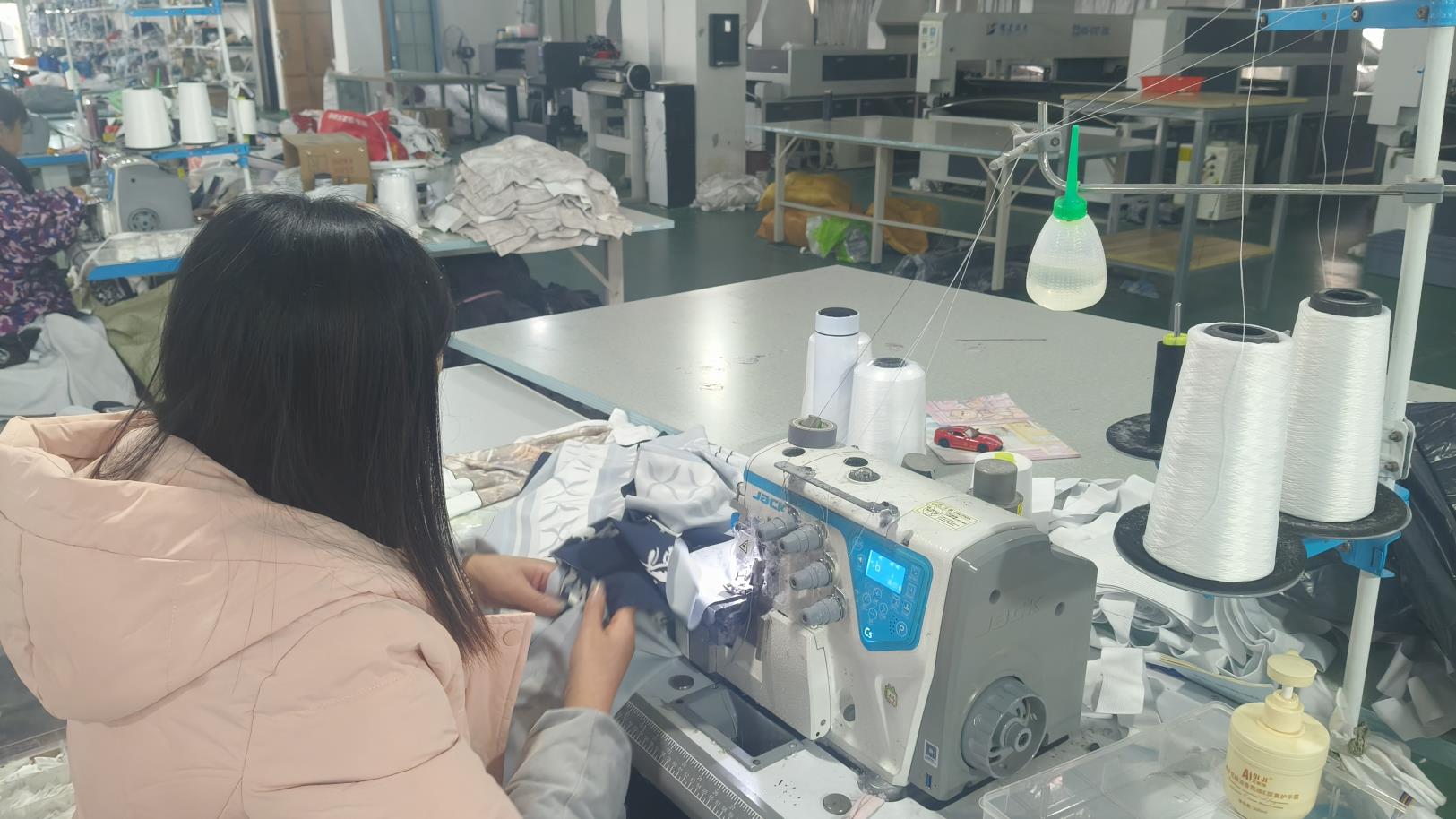
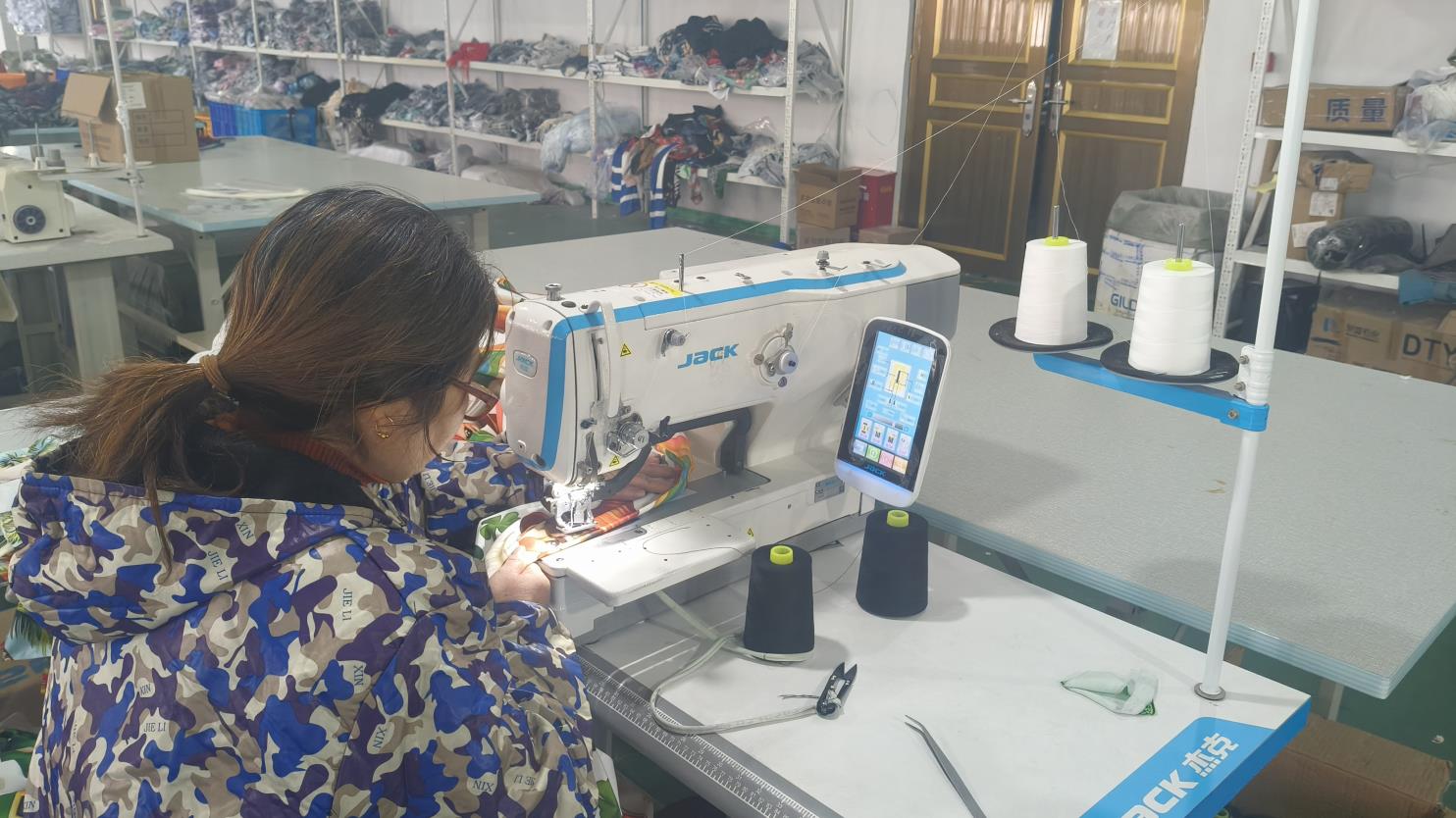
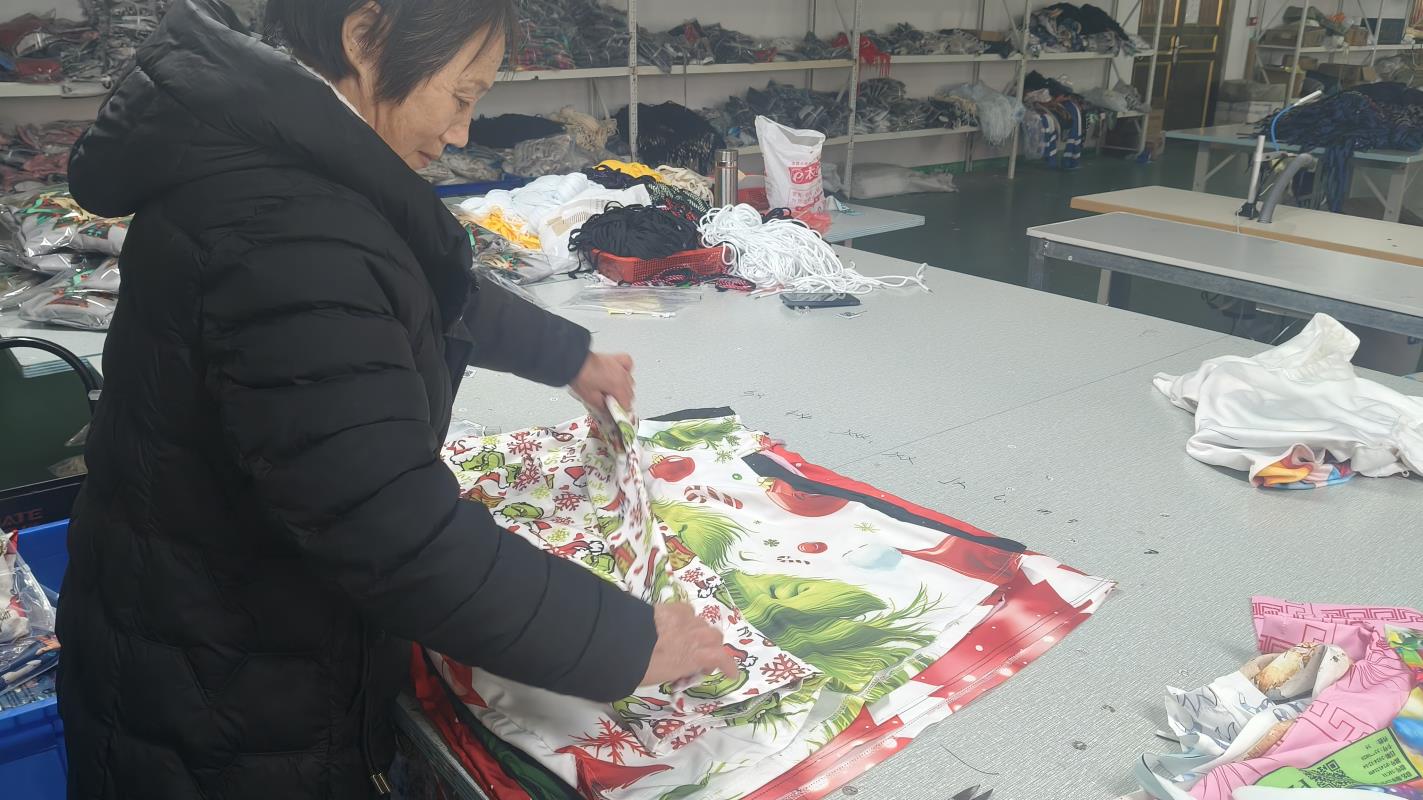
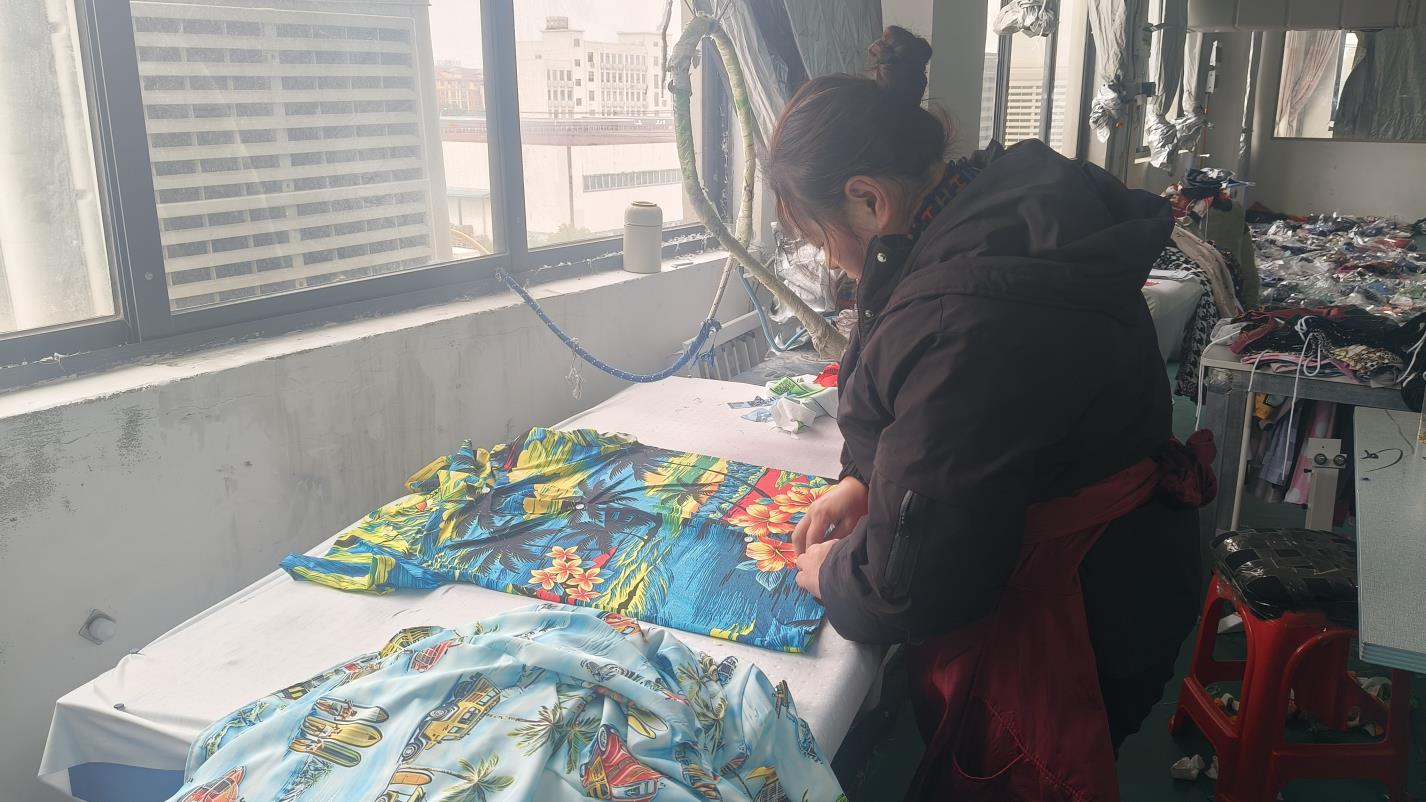
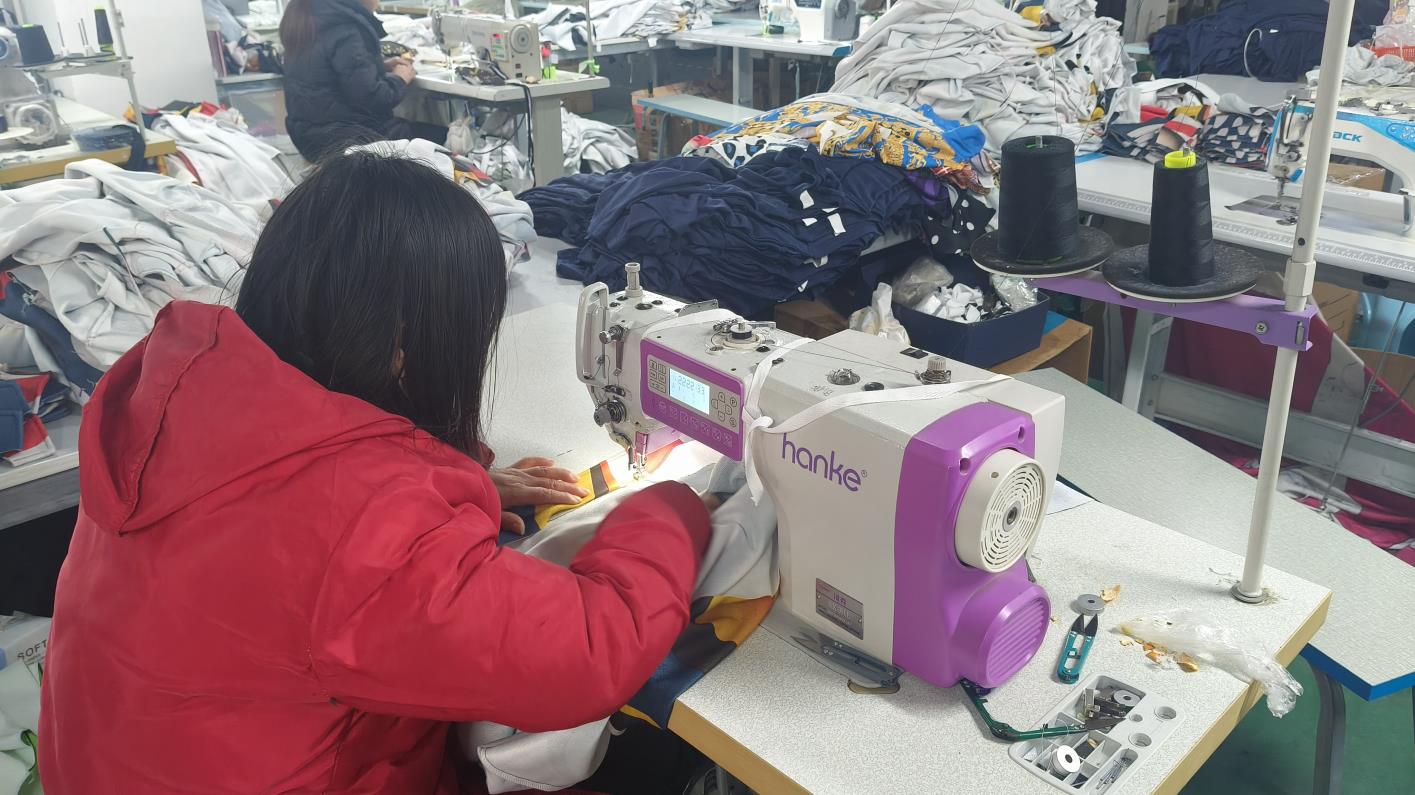
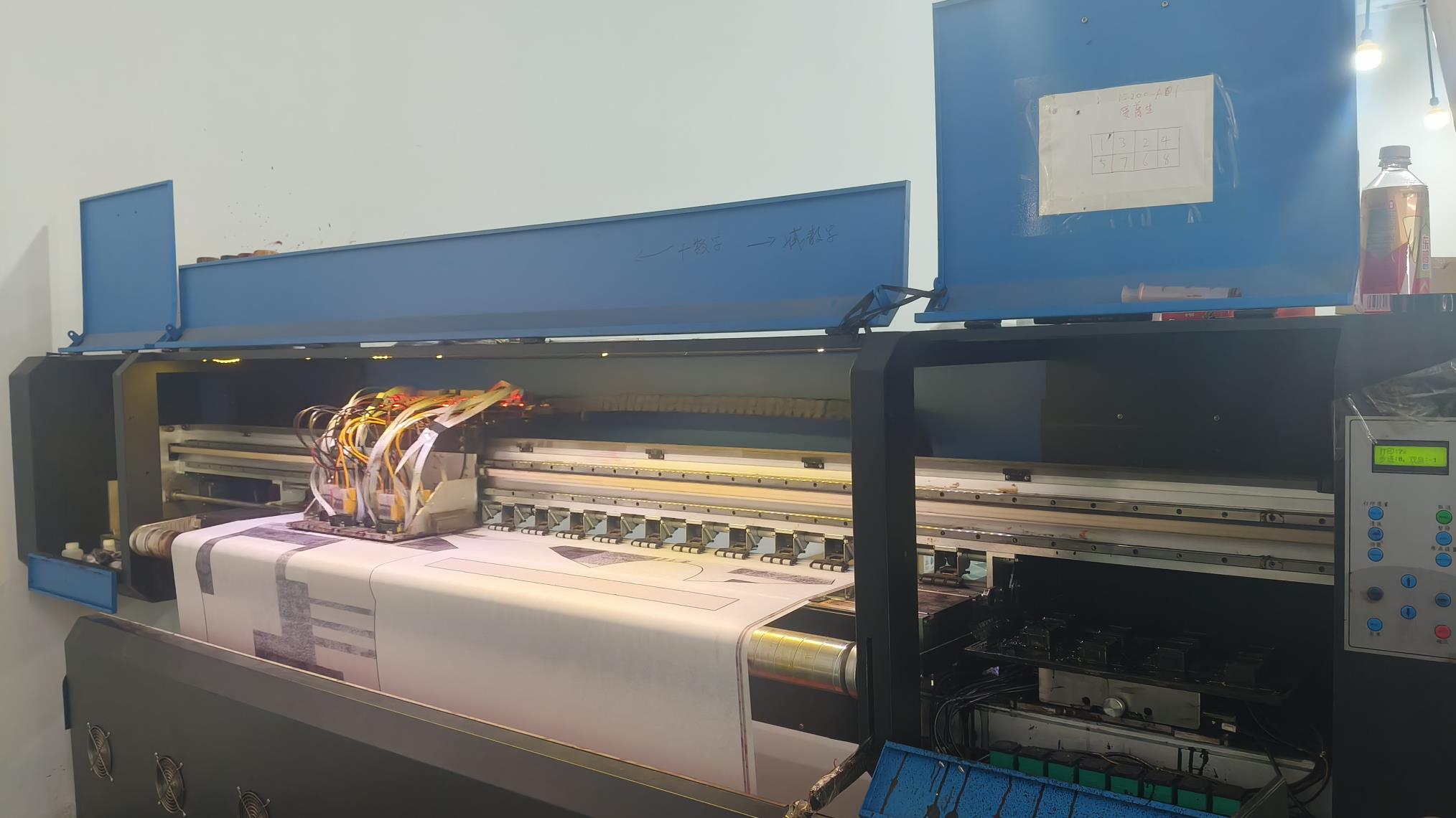
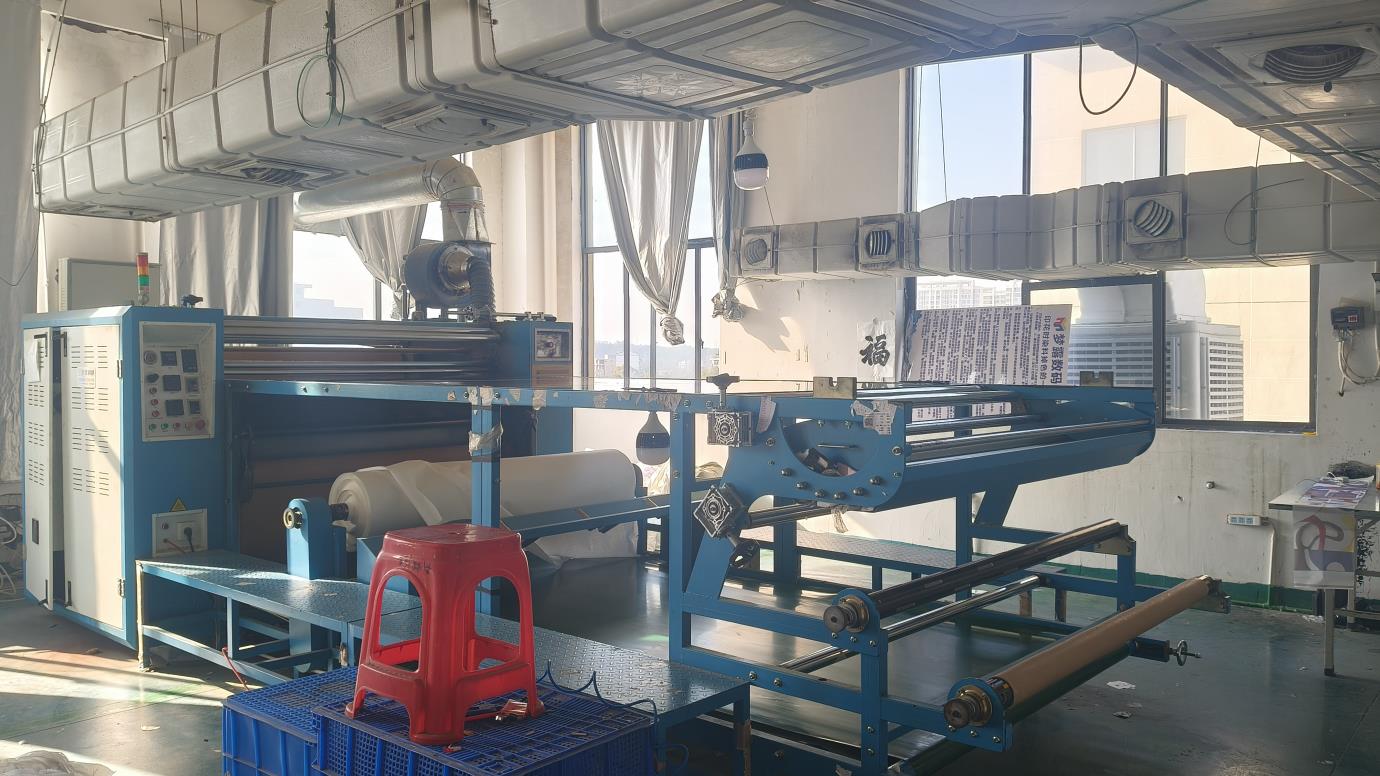
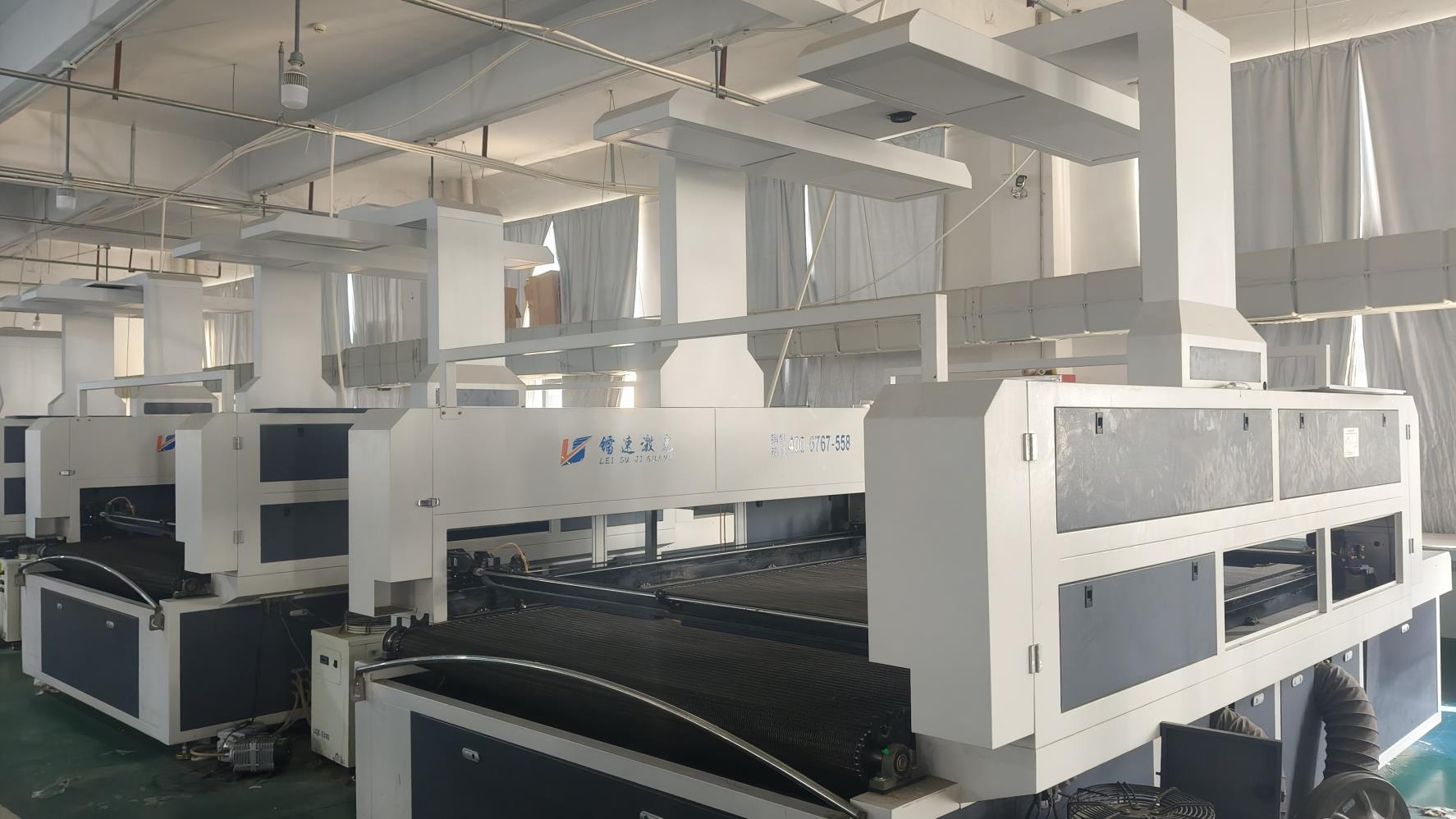
China remains the undisputed powerhouse of the technical apparel supply chain, particularly for high-performance leggings. Sourcing activewear from premium hubs like Dongguan provides several distinct operational advantages:
From petrochemical processing (polyester and nylon syntheses) to precision weaving, dyeing, and finishing, all steps occur in adjacent clusters. This minimizes transportation costs and drastically reduces lead times for bulk activewear orders.
Chinese factories have heavily invested in automated laser cutters, flatlock sewing machinery, and computer-assisted pattern optimization. This ensures uniform tension across seams and minimizes human errors, ensuring a standard deviation below 1% in sizing.
Close partnerships with yarn manufacturers allow factories to offer custom blends, including GRS-certified recycled polyester, moisture-wicking finishes, anti-microbial silver-ion treatments, and ultra-durable Supplex yarns.
Staying ahead of the curve requires aligning with consumer preferences. In the activewear industry, three key macro trends dictate success for retailers and brands:
Consumers are demanding transparent, low-carbon footprints. The transition from virgin nylon to ocean-bound plastic nylon (like ECONYL) or recycled polyester is accelerating. Modern suppliers are integrating Global Recycled Standard (GRS) fabrics directly into their catalog configurations.
Seamless knitting machines produce garments without traditional vertical side seams, reducing friction during high-intensity training. This provides a second-skin feel and enhances flexibility, making it the fastest-growing activewear category globally.
True grade-level comfort requires sizing options spanning from XXS to 4XL. Modern suppliers utilize advanced 3D body mapping and digital pattern scaling to ensure that larger sizes provide the same degree of core support and aesthetic contouring without fabric thinning.
Activewear needs differ by geographic and cultural regions. To optimize retail inventory turnover, product designers must align their product choices with regional use-cases:
High demand for versatile, everyday leggings. Fabric must be incredibly soft, featuring brushed finishes (peach skin feel), side drop-in phone pockets, and a wider high-waisted band to act as a light shapewear alternative.
Prioritizes thermal regulation, windproofing, and moisture-wicking efficiency. Popular fabrics include heavier GSM interlock knits (280-320 GSM) with subtle reflective details for early morning running.
Consumers prioritize figure-sculpting, hip-lifting (scrunch butt) patterns, and pastel tones. Lightweight, highly elastic fabrics (75/25 Nylon/Spandex) with minimal pressure points are preferred.
Managing a global apparel brand is complex. Large volume apparel orders suffer from volatile shipping rates, cotton/nylon price index swings, and customs delays. To mitigate these risks, Dongguan Bever Beauty Co., Ltd. offers robust end-to-end supply chain integration:
When executing audit reports for potential suppliers, procurement directors should assess technical performance KPIs using the following standard framework:
| Technical Metric | Industry Standard Minimum | Bever Beauty Factory Standard |
|---|---|---|
| Spandex Content Ratio | 12% - 15% (Standard recovery) | 18% - 25% (High performance 4-way stretch) |
| Stitching Specifications | 4-needle 6-thread flatlock (Flat, zero-friction) | Premium Flatlock + reinforced crotch gussets |
| Tensile Recovery Rate | 85% Recovery after 50 washes | 95%+ Dimensional memory retainment |
| Eco-Compliance / Safety | Basic AZO-free dyes | GRS Recycled yarn certifications, OEKO-TEX Standard dye bases |
Answers to technical and logistics questions commonly asked by international sourcing executives.
Review additional products in our diverse export lineup, featuring premium knits, loungewear, custom embroidery hoodies, and tailored pieces.
 Bever Beauty