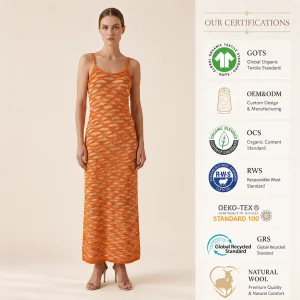
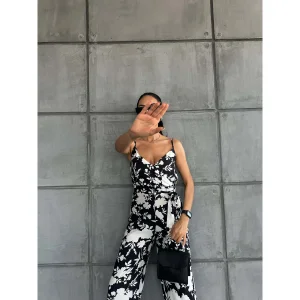
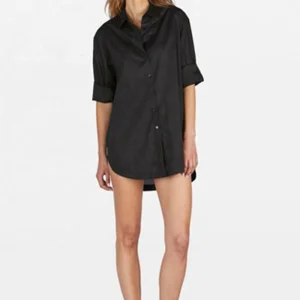
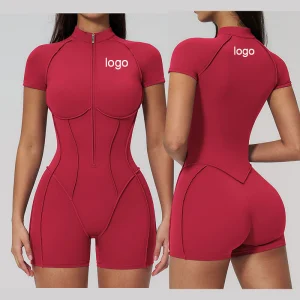
Explore our premium design concepts and highly-sought global imports
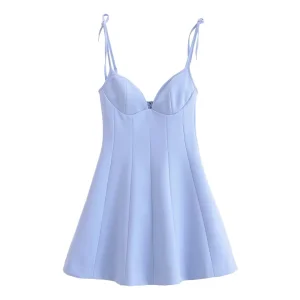
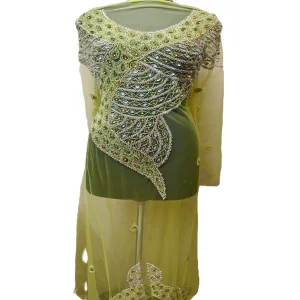
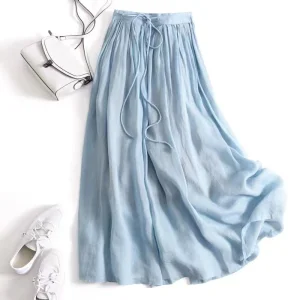
Culottes have evolved from a historical niche garment into a corner-stone category for global fashion retailers. Offering the sophistication of a mid-to-long skirt combined with the mobility of wide-leg trousers, they fulfill the critical market demand for comfortable, work-appropriate, and trans-seasonal office apparel.
For procurement officers, sourcing high-quality culottes requires an understanding of raw fiber compositions, fabric drape mechanics, pattern yield efficiencies, and multi-market compliance certifications. This whitepaper analyzes the manufacturing landscape, evaluates China's production dominance, and profiles the leading industry benchmarks.
The global market for women's trousers is witnessing a profound shift away from ultra-fast fashion skinny fits towards structural comfort. Culottes (wide-leg cropped trousers) occupy a highly lucrative intersection. Across Western Europe and North America, B2B purchasing volume for culottes has expanded as brands look to balance sustainable silhouettes with fabrics that perform. Mainstream fiber compositions now feature heavy blends of Viscose/Linen, Tencel™ Lyocell, and Recycled Poly-Elastane, which present unique challenges in textile stability and structural drape during mass production.
Ensuring correct GSM (grams per square meter) weight so the wide legs cascade smoothly without clinging or showing static distortion.
Custom grading structures optimized for diverse anatomical silhouettes across North American, European, and Asian target consumer bases.
Applying high-density seam constructs to withstand lateral physical stresses unique to high-rise, wide-leg trouser configurations.
China remains the world's absolute epicenter for specialized culottes production, particularly clustered within advanced hubs like Dongguan. The efficiency is not simply a matter of scale; it lies in deep technological integration and systemic logistics:
Immediate regional sourcing of high-grade specialized yarns, natural dyes, elastic waistbands, and custom metal trim. This localized proximity reduces raw material transit lead times from weeks to hours.
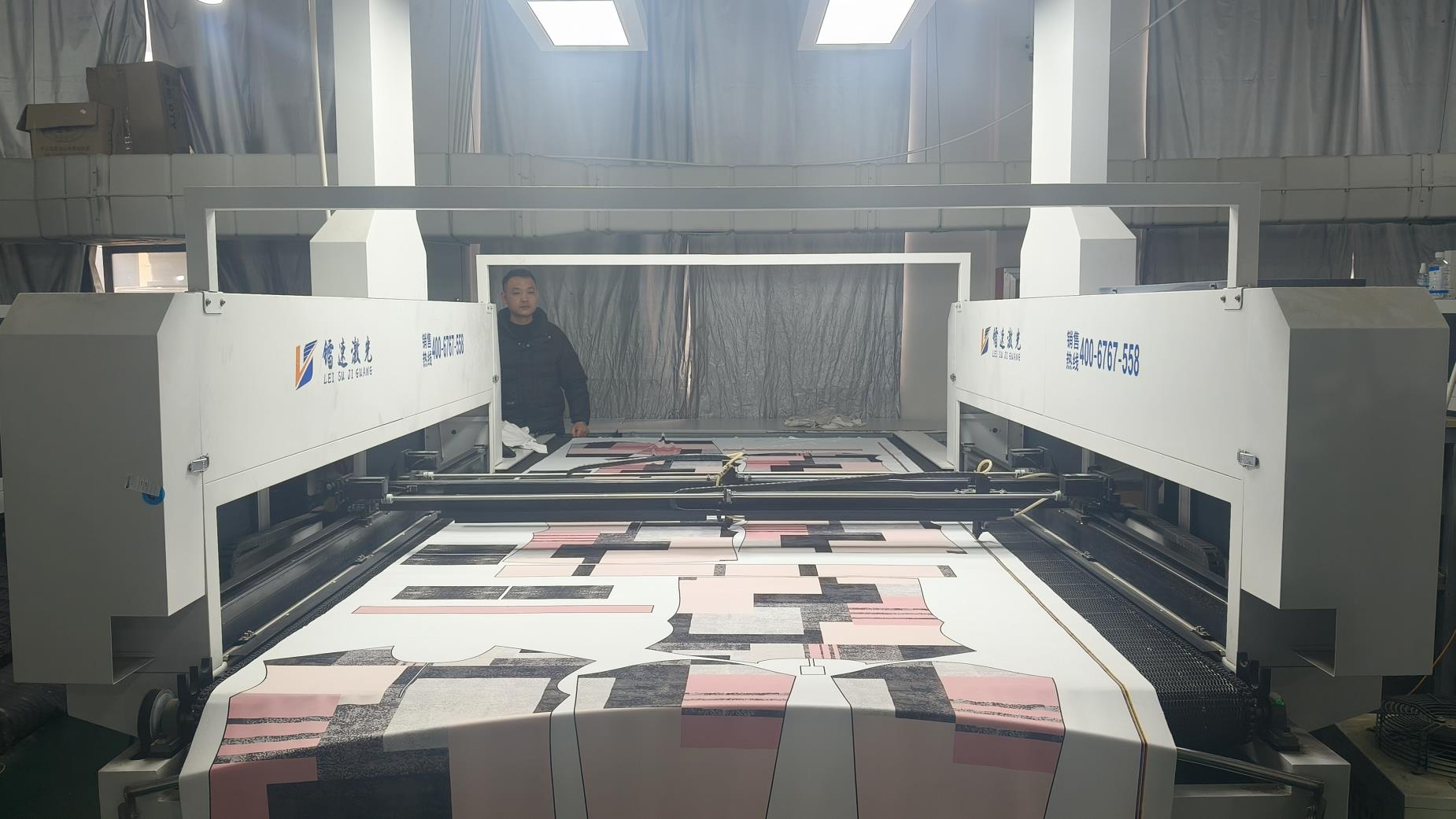
Using advanced CAD/CAM software to optimize nesting processes. Given the massive fabric surface area required for wide-leg culottes, automated laser cutting systems reduce fabric waste by up to 18%, saving significant raw cost for high-volume orders.
Top-tier factories integrate automatic needle detection, tensile fabric strength analysis, and colorfastness machines directly onto the finishing lines to eliminate physical returns before export packaging.
From low MOQ (Minimum Order Quantity) test batches for boutique designer brands to high-capacity pipelines outputting 100k+ units per month for major international department chains.
A benchmark reference table compiled for apparel sourcing agents and corporate procurement leads
| Evaluation Parameter | Tier 1 Factory Standards (e.g., Bever Beauty) | Common Market Benchmarks | Impact on Brand Profitability |
|---|---|---|---|
| Fabric Waste Control | 12% - 15% wastage via CAD laser optimization | 22% - 25% with manual cutting methods | Lowers unit cost on high-volume runs |
| Compliance Auditing | BSCI (A-Level), SEDEX, ISO 9001:2015 | Self-certified or unverified local audits | Eliminates risk of customs and ethical blocks |
| Sample Turnaround Time | 3 - 5 business days (integrated digital mockups) | 10 - 15 days (fragmented logistics) | Accelerates time-to-market for fast seasons |
| Color Consistency (Lab Dips) | Spectrophotometer verification (Delta E < 1.0) | Visual assessment checks only | Guarantees batch color matching across regions |
Since its establishment, Dongguan Bever Beauty Co., Ltd. has always adhered to the philosophy of “the perfect fusion of design and manufacturing”, and is committed to continuous excellence in the women’s apparel industry. With strong capabilities in both creative design and production management, the company focuses on delivering fashionable, high-quality, and practical women’s clothing to global customers.
Our core mission revolves around the principle that clothing is more than just daily wear—it is a reflection of confidence, individuality, and personal style. Each piece is thoughtfully designed and strictly controlled throughout the production process, from concept development to final manufacturing.
Looking forward, Dongguan Bever Beauty Co., Ltd. will continue to focus on women’s fashion apparel, strengthening its capabilities in design innovation, fabric development, and manufacturing excellence. We aim to deliver more versatile and fashionable clothing solutions that empower women to express their style with confidence in every moment.
Bever Beauty places strong emphasis on quality management, ethical production, and supply chain transparency. Through a well-structured production system and strict quality inspection standards, we ensure that every garment meets international requirements and customer expectations.
Active International Credentials:
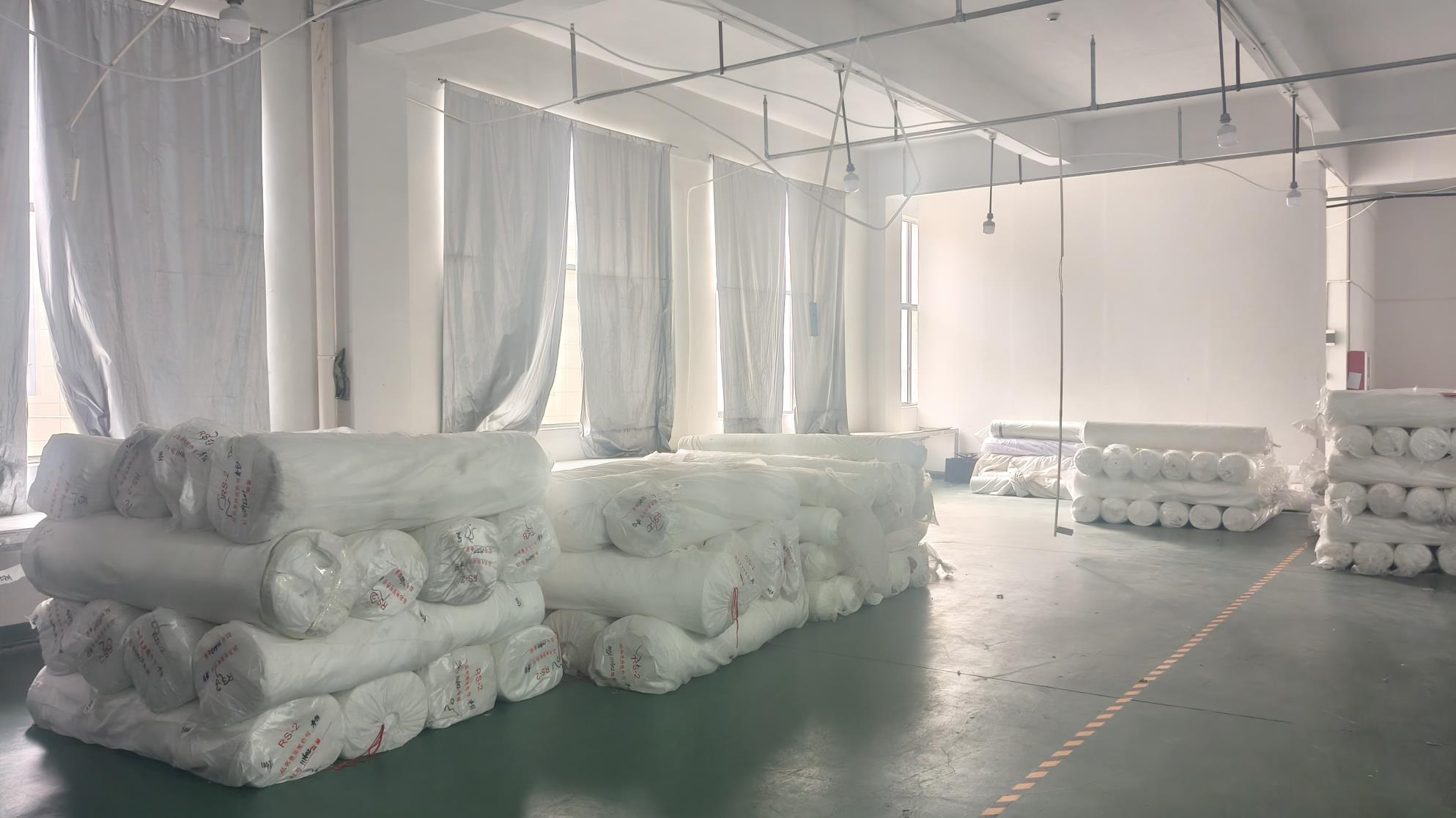
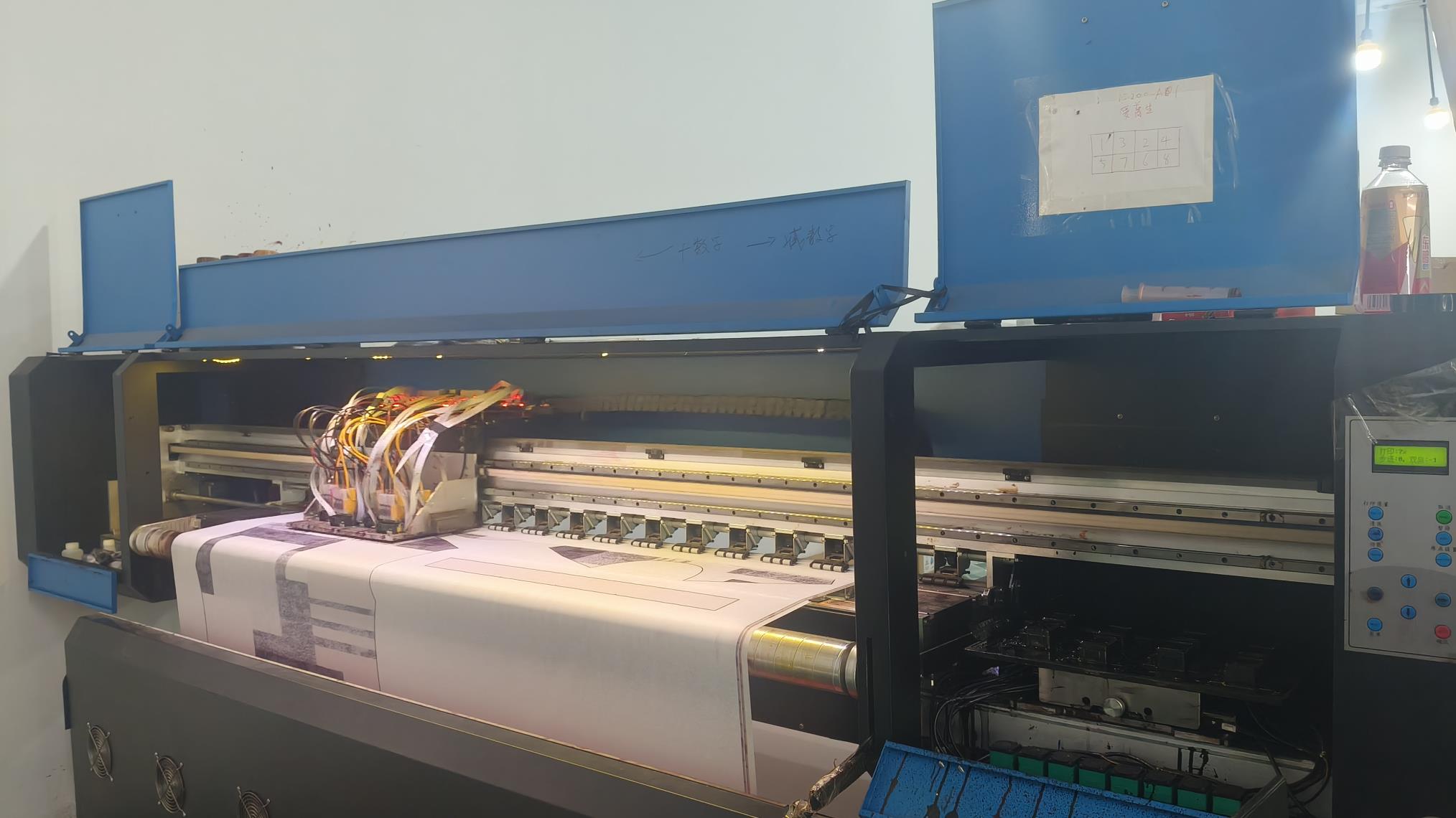
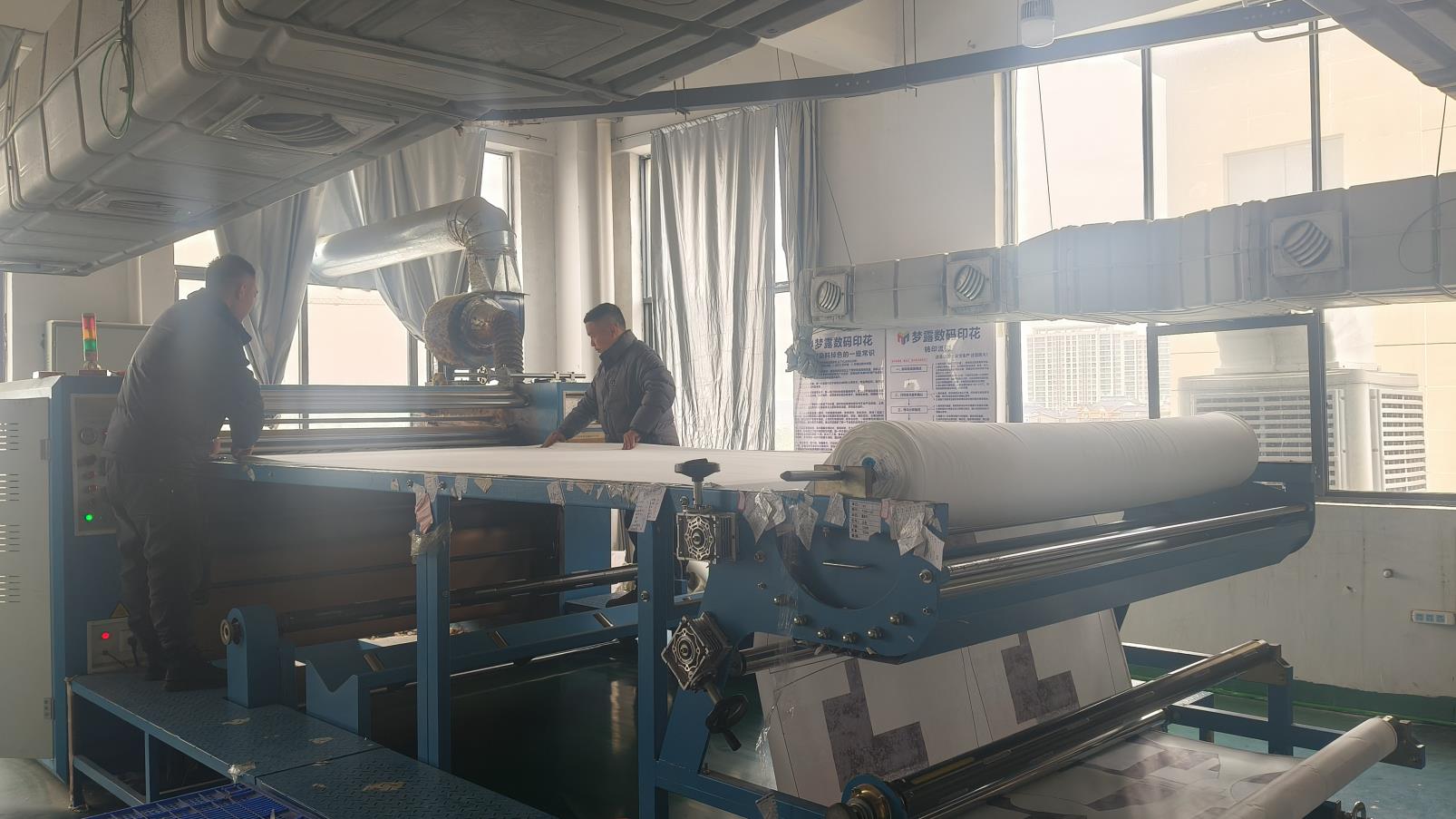
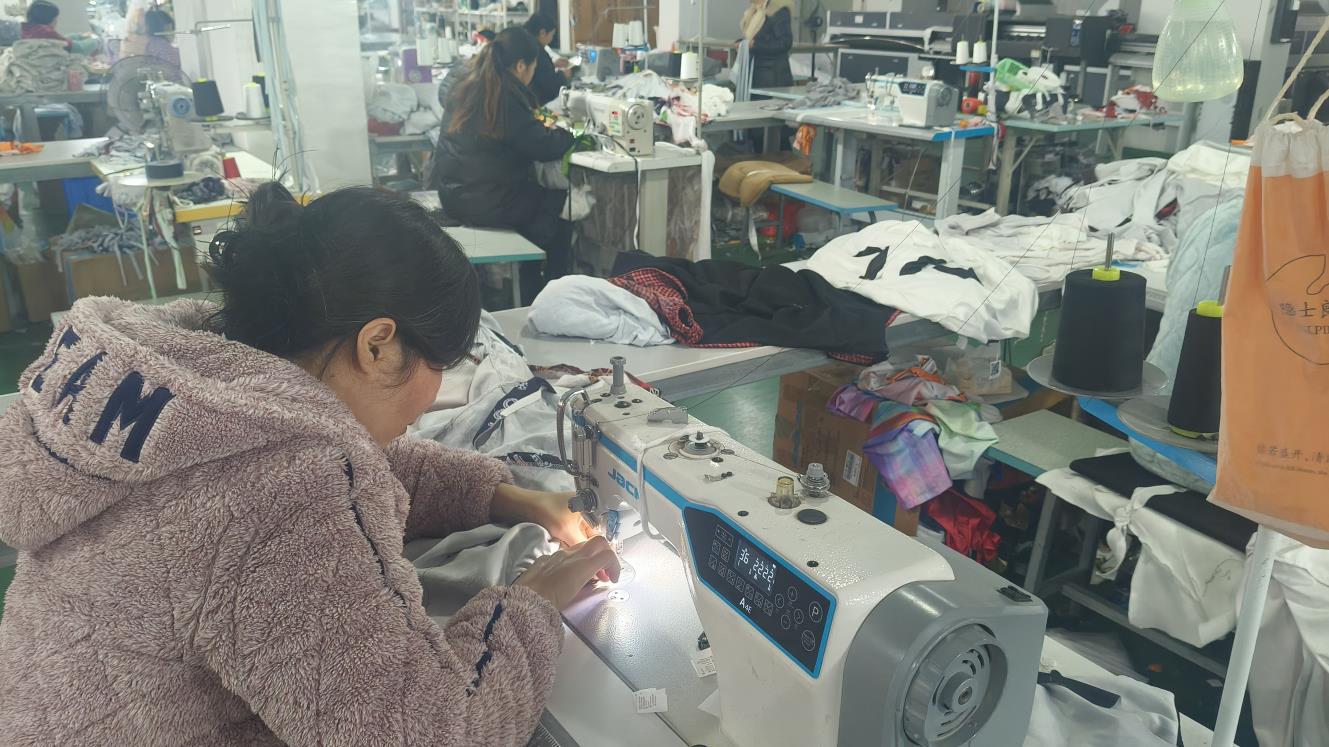
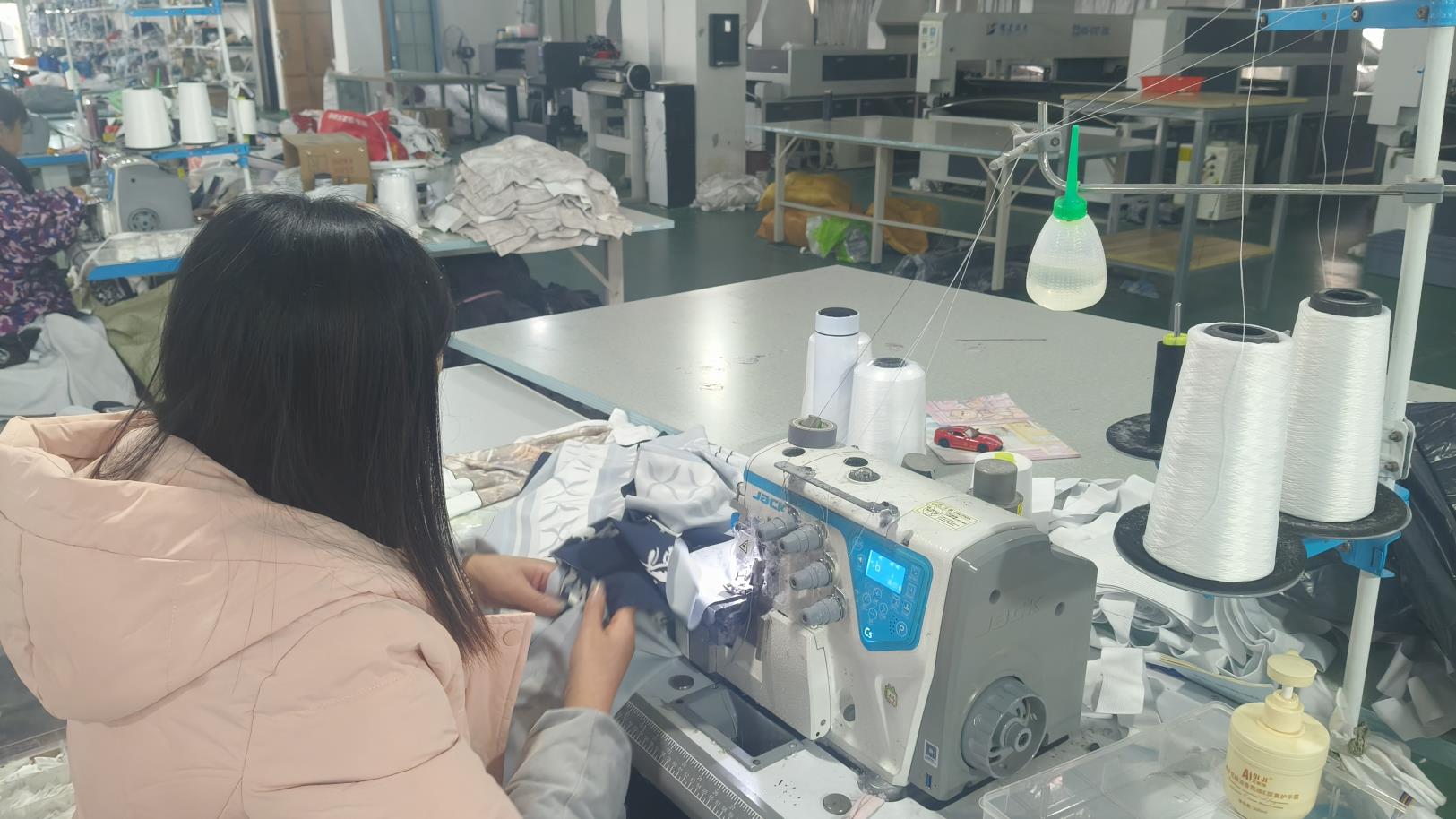
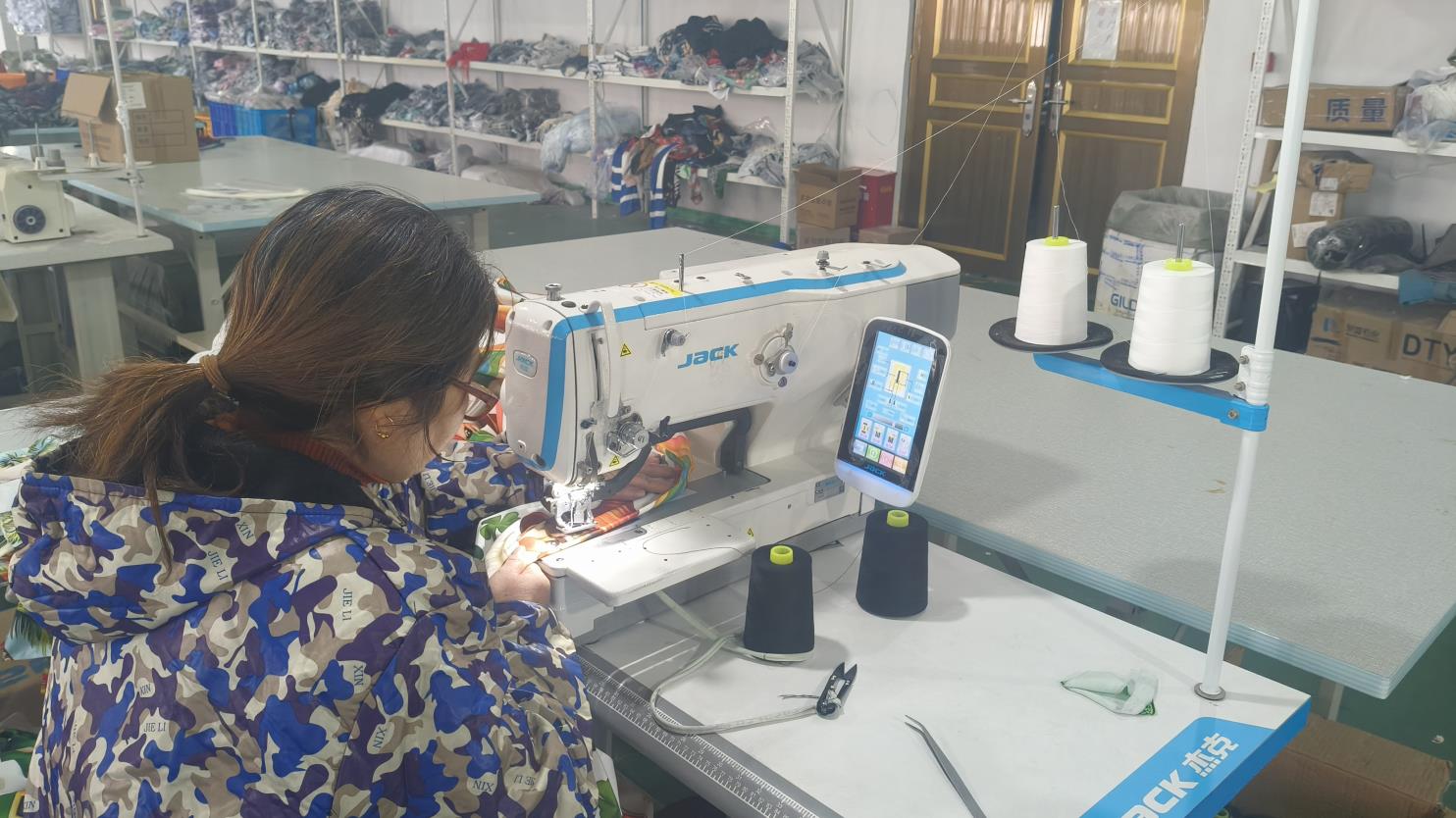
A visual tour through the manufacturing capabilities of our modern apparel factory in Dongguan
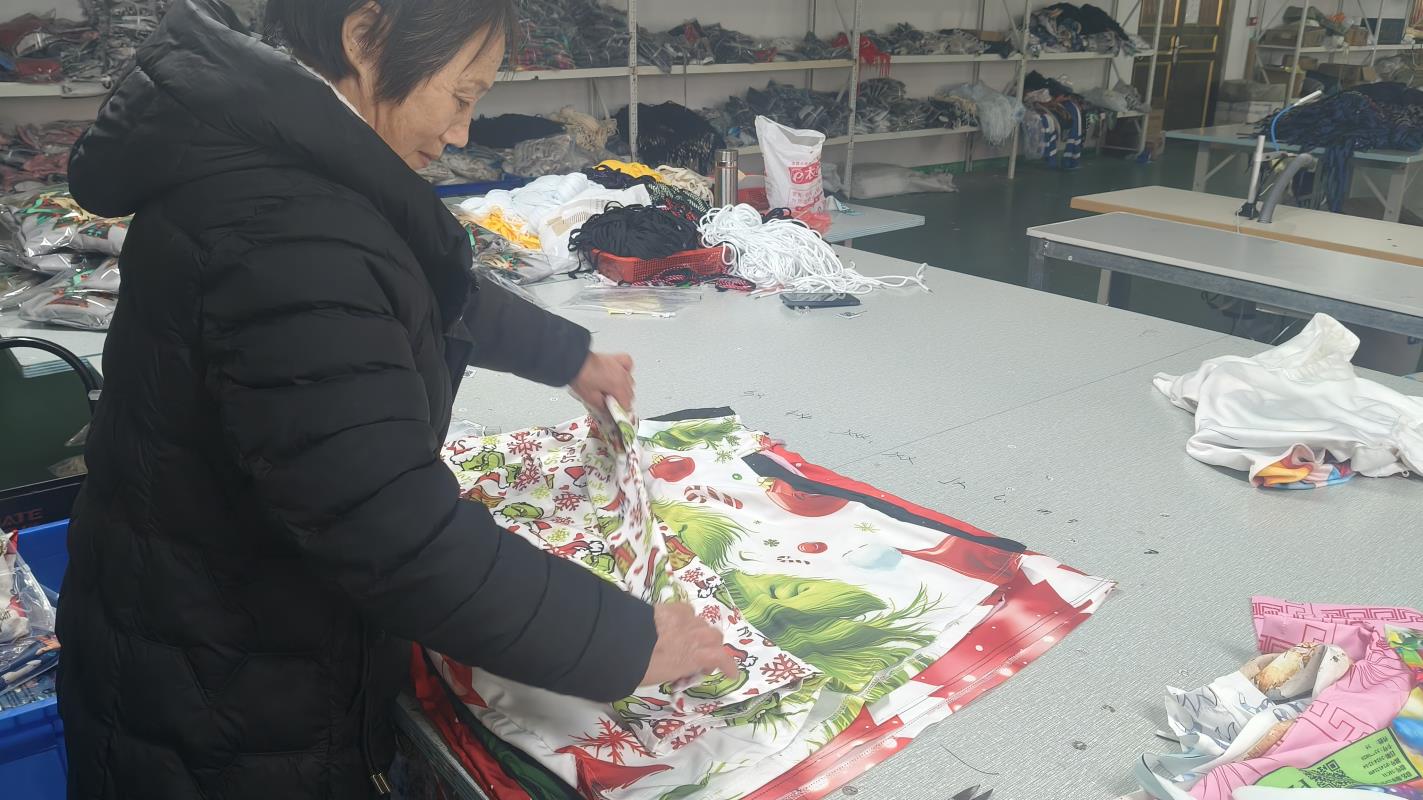
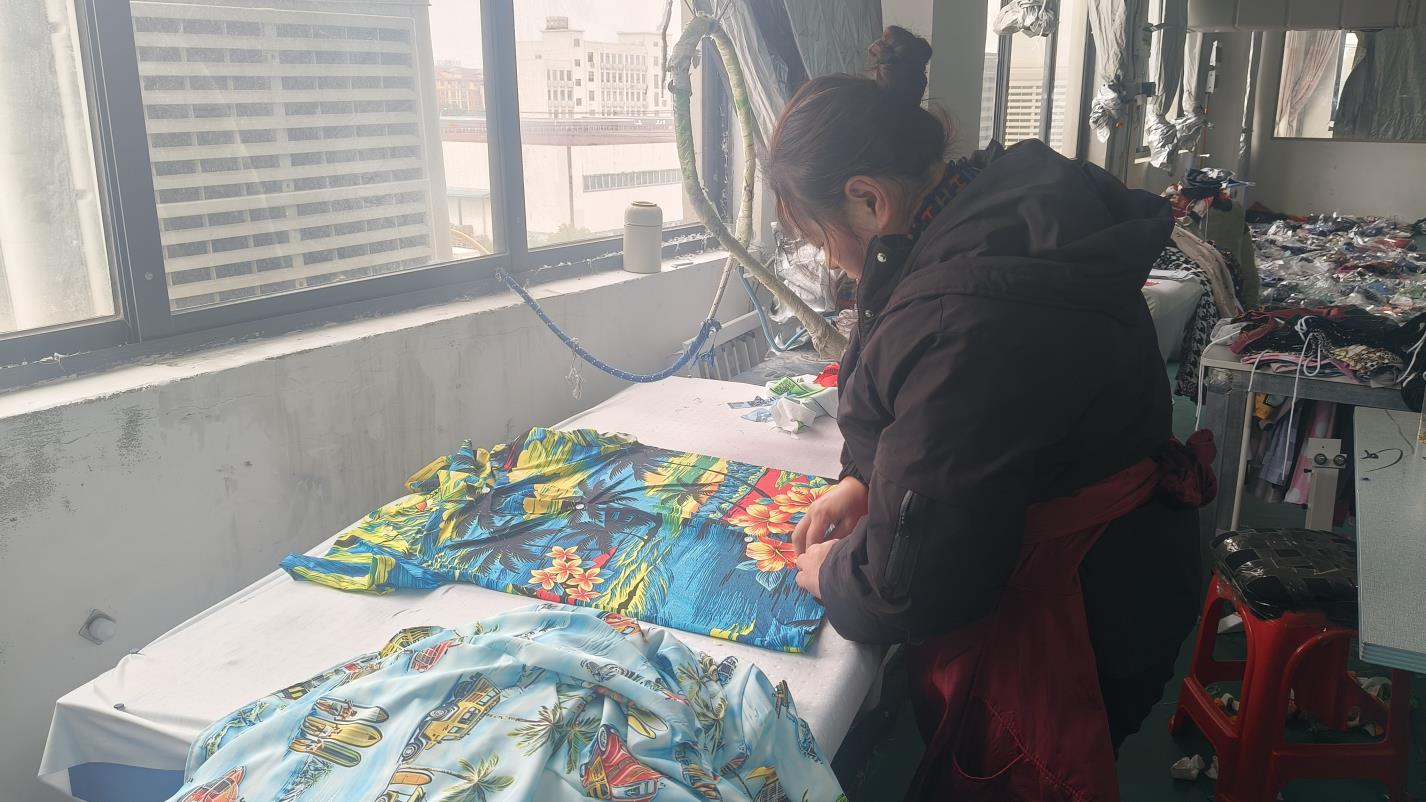
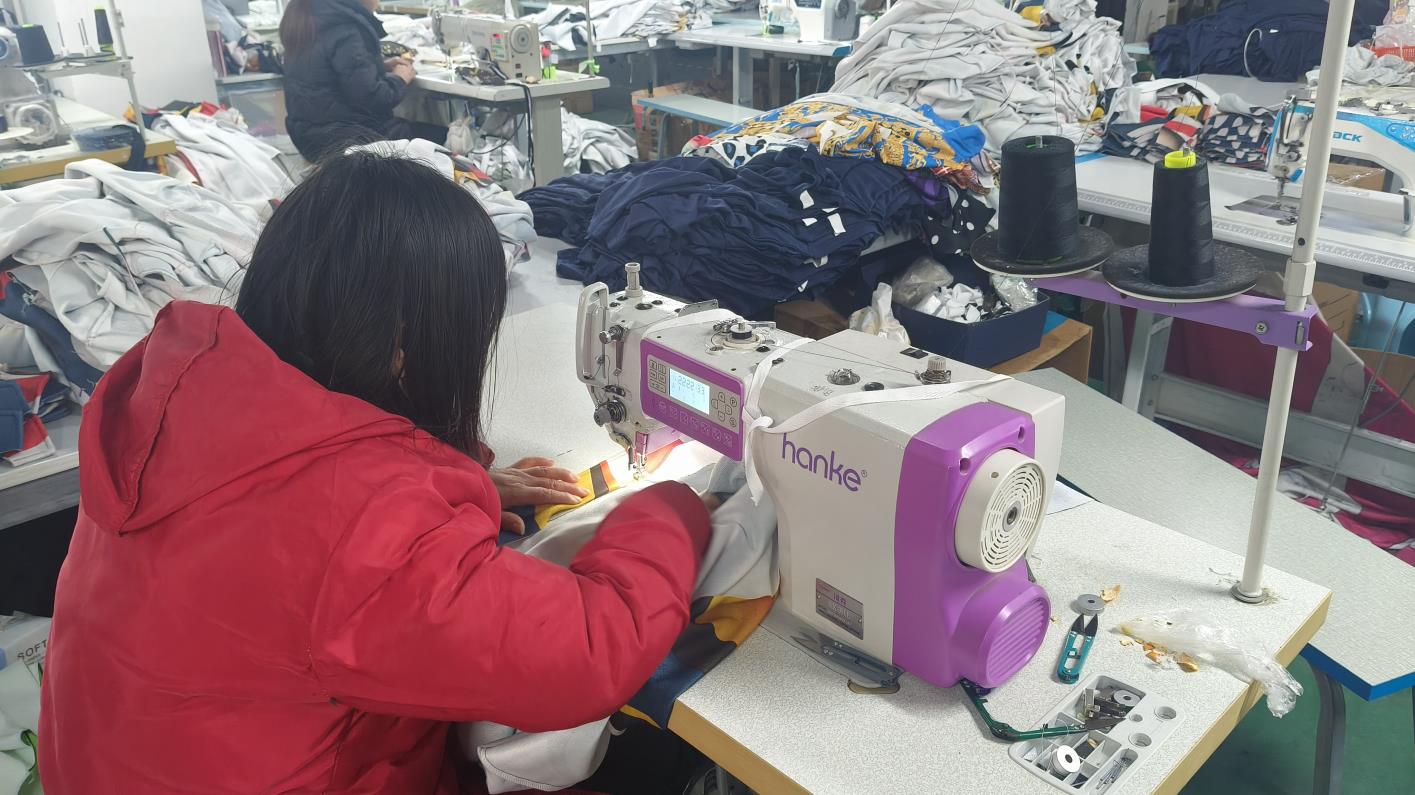
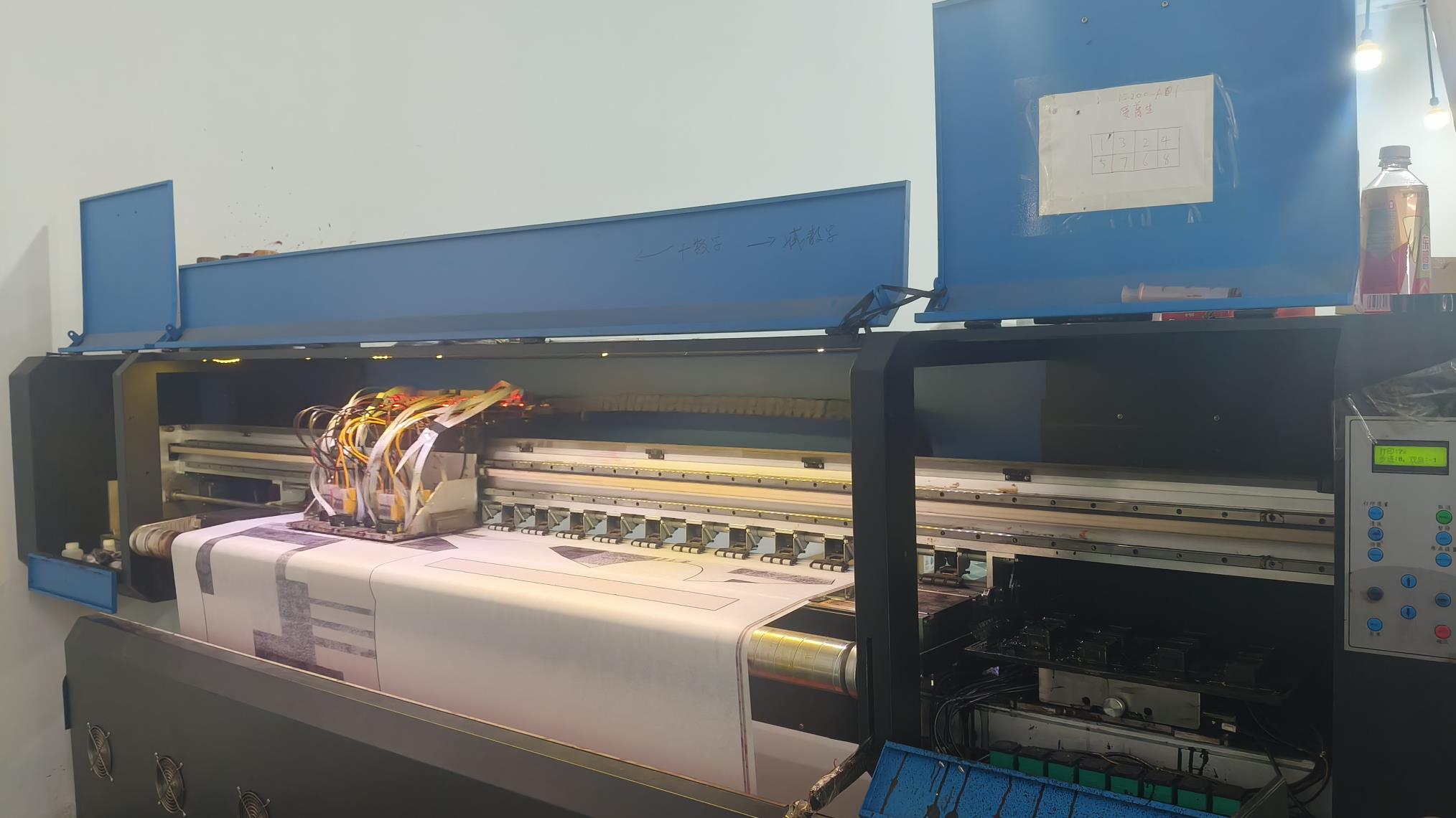
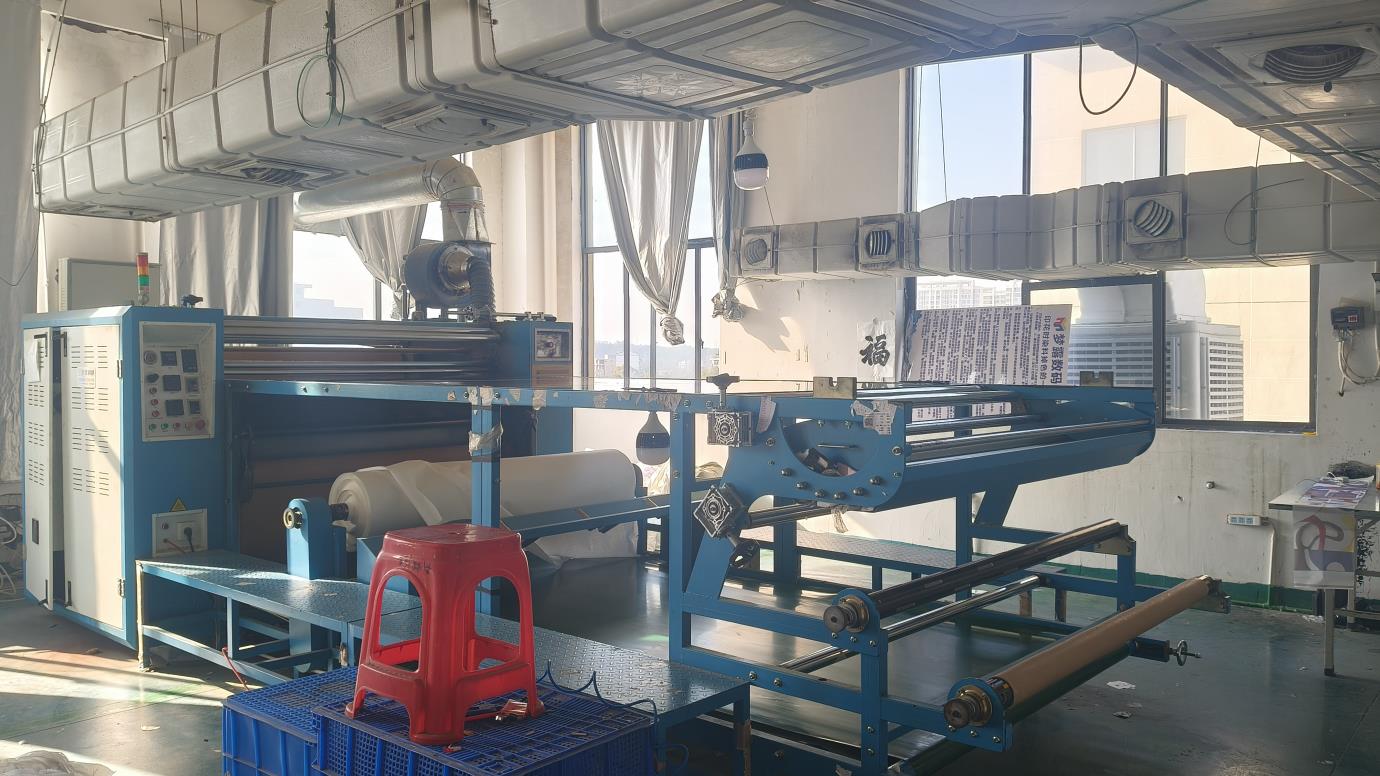
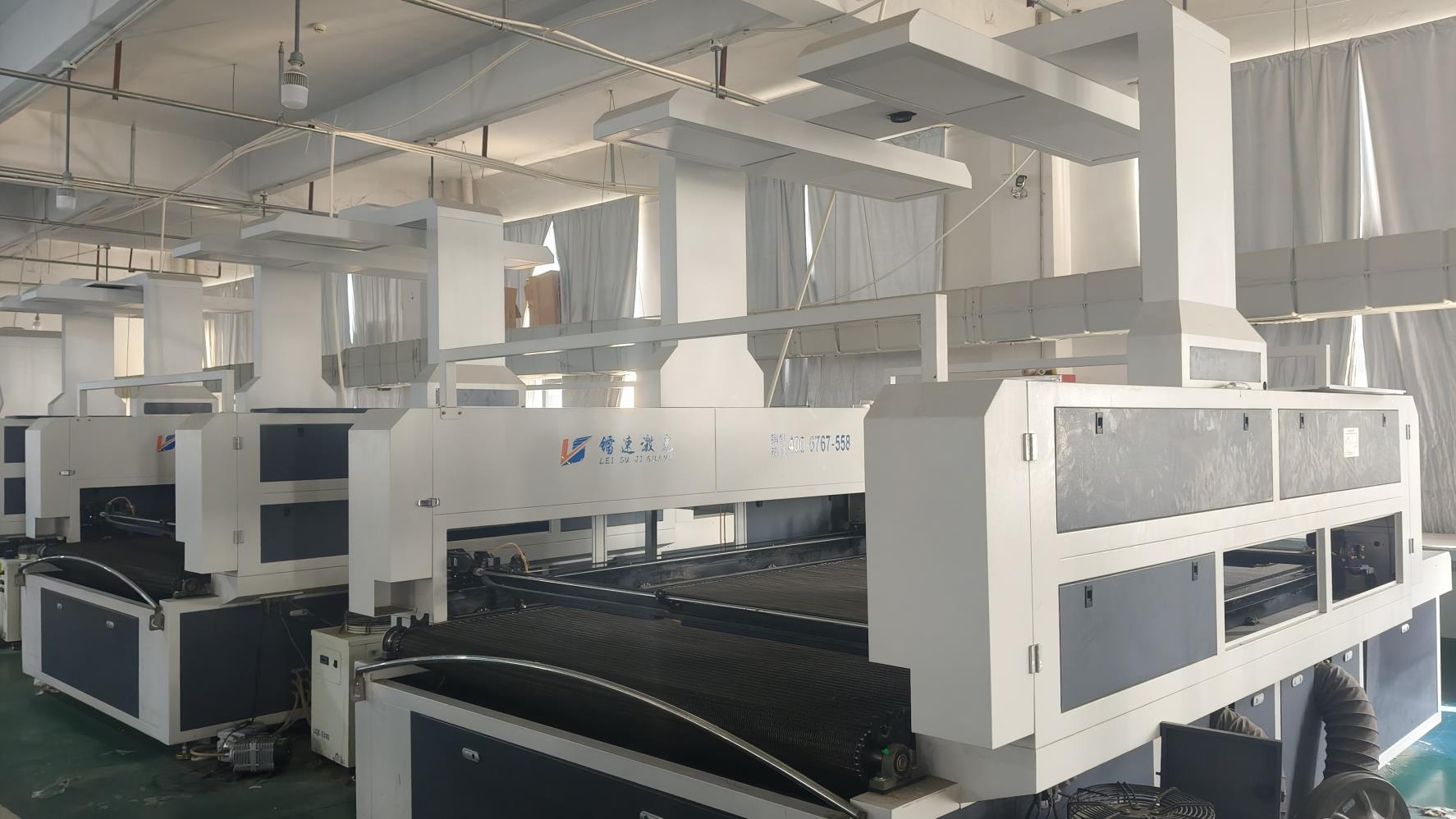
A key mistake many entry-level sourcing agents make is purchasing a generic fit template for all markets. Culottes require hyper-localized modifications because of varying demographic waist-to-hip ratios and cultural modesty standards:
Typically requires longer inseams, deeper front pockets large enough to fit modern smartphones, and double-button waistbands for visual structure.
Best Fabrics: Heavy knit Ponte, structured organic cotton, viscose blend.Focuses heavily on raw texture, relaxed silhouettes, and breathable drape behaviors suited for summer vacations.
Best Fabrics: 100% enzyme-washed pure linen, raw hemp, Tencel™ blends.Prioritizes lightweight elasticized dynamic waists, slightly shorter crotch drops to optimize leg length visuals, and anti-static finishes.
Best Fabrics: Micro-polyester blends, lightweight Chiffon, crinkle crepe.The global procurement environment is shifting towards systemic sustainability and AI-driven inventory matching. Factories that will thrive are those upgrading from classic sewing mills into technological manufacturing systems:
Rising regulatory pressures require factories to use post-consumer recycled fabrics and certified biodegradable threads to ensure ease of recycling at the end of the garment lifecycle.
Utilizing 3D apparel simulators to test how culottes drape on digital avatars. This reduces the carbon footprint associated with shipping multiple revisions of physical samples.
Sourcing from facilities like Bever Beauty that offer localized consolidation in export shipping ports (Shenzhen/Guangzhou/Hong Kong) to minimize transit times and ocean freight pricing.
Detailed technical answers addressing compliance, testing, and production logistics
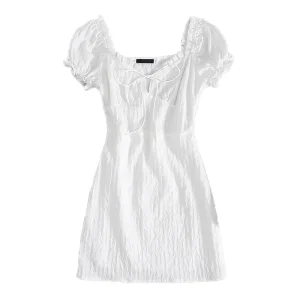
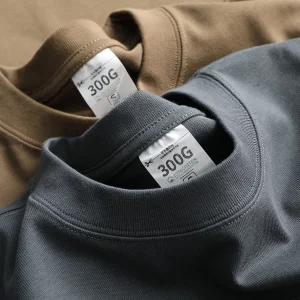
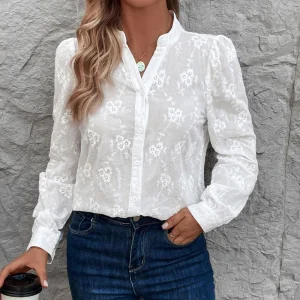
Premium basics and custom-designed export items ready for mass production orders
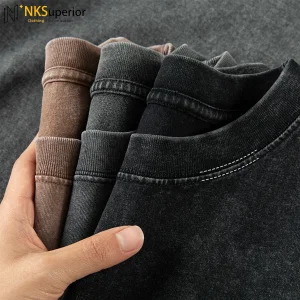
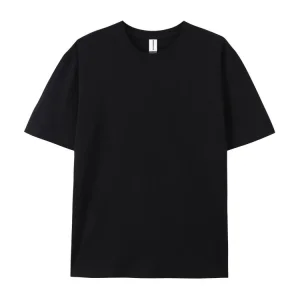
 Bever Beauty