Precision-engineered activewear, performance garments, and luxury sports collections manufactured under strict global standards.
Analyzing market dynamics, shifts in consumer patterns, and the integration of performance textiles into modern fashion.
The global outdoor apparel market has experienced a massive paradigm shift. No longer confined to extreme alpine climbs or wilderness expeditions, functional garments have thoroughly integrated with urban daily wear. This phenomenon, often referred to as "Gorpcore" or "Athleisure," represents a multi-billion dollar segment where performance meets high-end aesthetics. Consumers demand garments that provide windproofing, thermal insulation, moisture wicking, and high durability while maintaining sleek, fashionable silhouettes suitable for metropolitan workspaces and social environments.
Consequently, the manufacturing criteria for outdoor apparel have become exponentially complex. Brands require partners who are not merely seamstresses but technical engineering entities. Factories must master complex synthetic fabrics—such as multi-membrane laminates, eco-friendly thermoplastic polyurethanes (TPU), high-gauge nylon mesh, and organic cotton blends. As carbon emission regulations tighten globally, manufacturing facilities must also demonstrate strict compliance with sustainable chemical management (like OEKO-TEX Standard 100) and ethical workplace guidelines.
Examining technological ecosystems, machinery clusters, and skilled industrial capabilities.
China remains the undisputed powerhouse of technical outwear and sportswear manufacturing due to its mature industrial clusters. While basic garment assembly has partially migrated to lower-cost regions, high-precision technical outerwear requires a level of technological infrastructure that remains concentrated in China's advanced manufacturing hubs, particularly within provinces like Guangdong (Dongguan, Shenzhen) and Zhejiang.
The core advantages of Chinese technical apparel factories include:
Commitment to design excellence, strict compliance, and high-performance ladies' and technical fashion.
Since its establishment, Dongguan Bever Beauty Co., Ltd. has always adhered to the philosophy of "the perfect fusion of design and manufacturing", and is committed to continuous excellence in the women's apparel and custom functional wear industry. With strong capabilities in both creative design and production management, the company focuses on delivering fashionable, high-quality, and practical garments to global customers.
Our Philosophy: Dongguan Bever Beauty Co., Ltd. is dedicated to providing women with stylish and functional clothing through innovative design concepts and carefully selected fabrics. We believe that clothing is more than just daily wear—it is a reflection of confidence, individuality, and personal style. Each piece is thoughtfully designed and strictly controlled throughout the production process, from concept development to final manufacturing. Our goal is to ensure that every product meets high standards in design detail, fabric quality, and wearing experience, while continuously adapting to evolving fashion trends.
These certifications reflect our commitment to responsible manufacturing practices and consistent product quality. Through a well-structured production system and strict quality inspection standards, we ensure that every garment meets international requirements and customer expectations.
Our Vision: Looking forward, Dongguan Bever Beauty Co., Ltd. will continue to focus on women's fashion and technical apparel, strengthening its capabilities in design innovation, fabric development, and manufacturing excellence. We aim to deliver more versatile and fashionable clothing solutions that empower women to express their style with confidence in every moment.
Ethical manufacturing practices certified under global auditing programs.
Rigorous multi-stage quality control mechanisms on raw materials and finished goods.
Maximum precision fabric patterns ensuring seam strength and zero warp.
Balancing aesthetic design with skin-friendly fabrics and structural support.
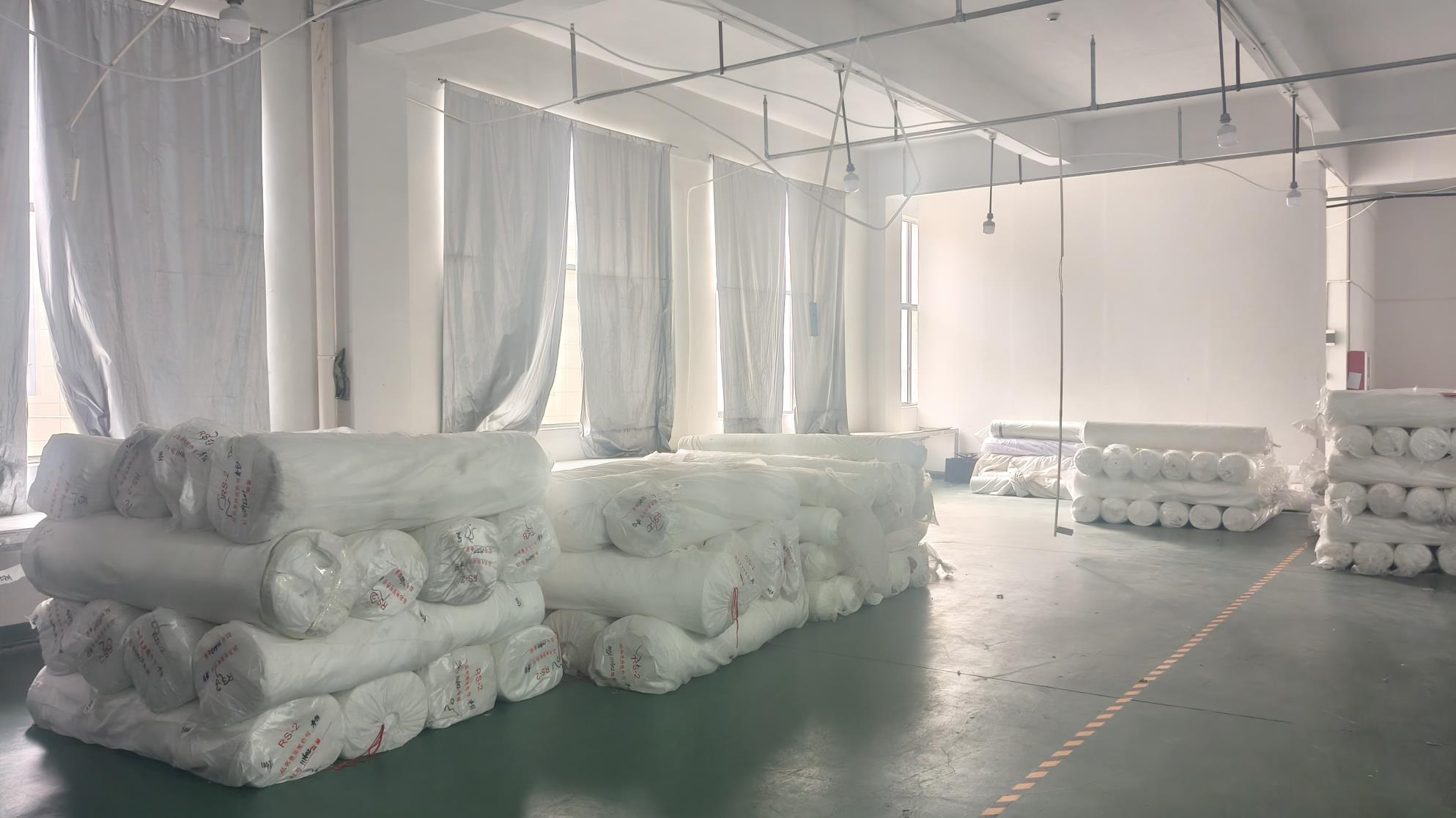
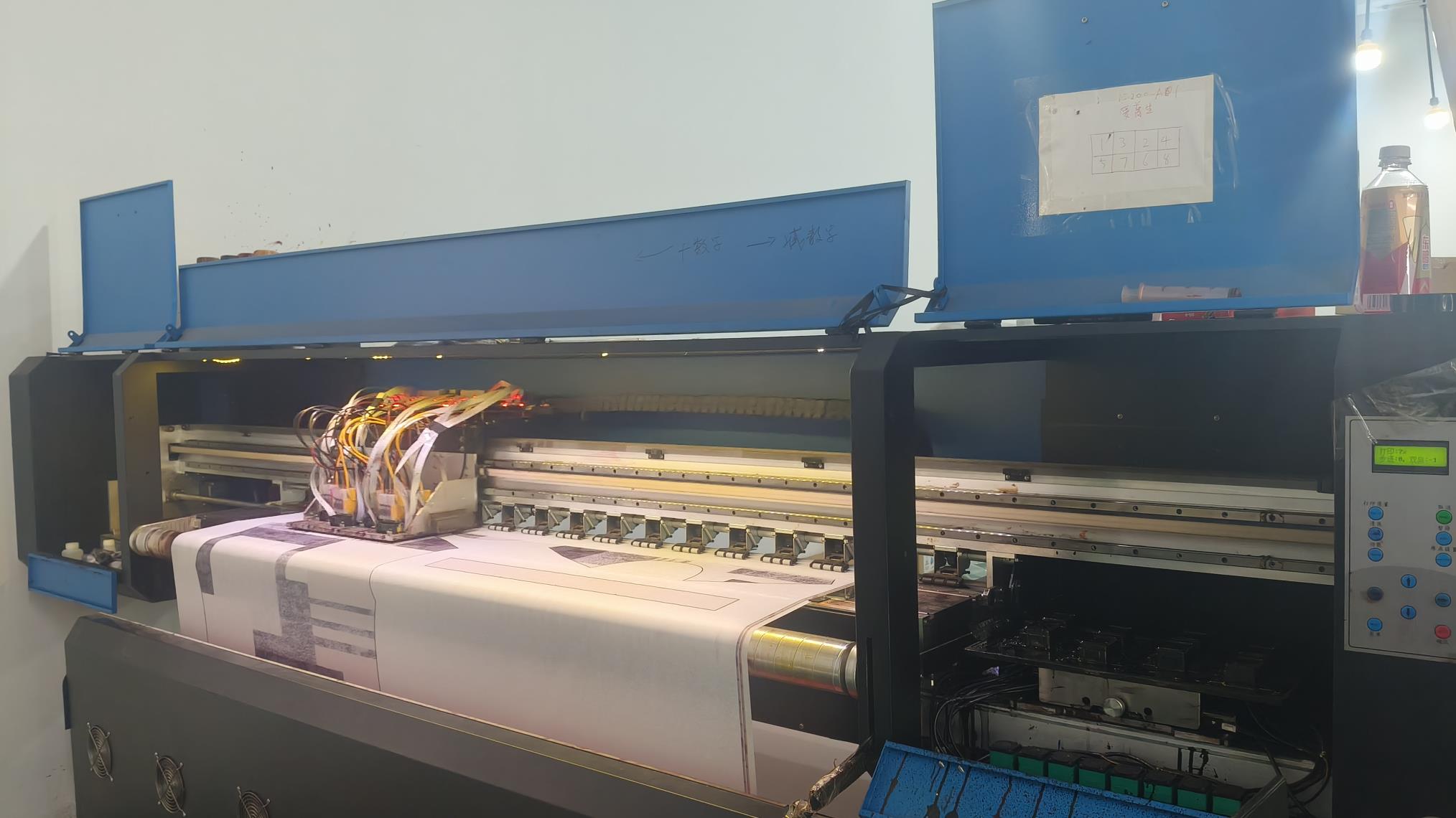
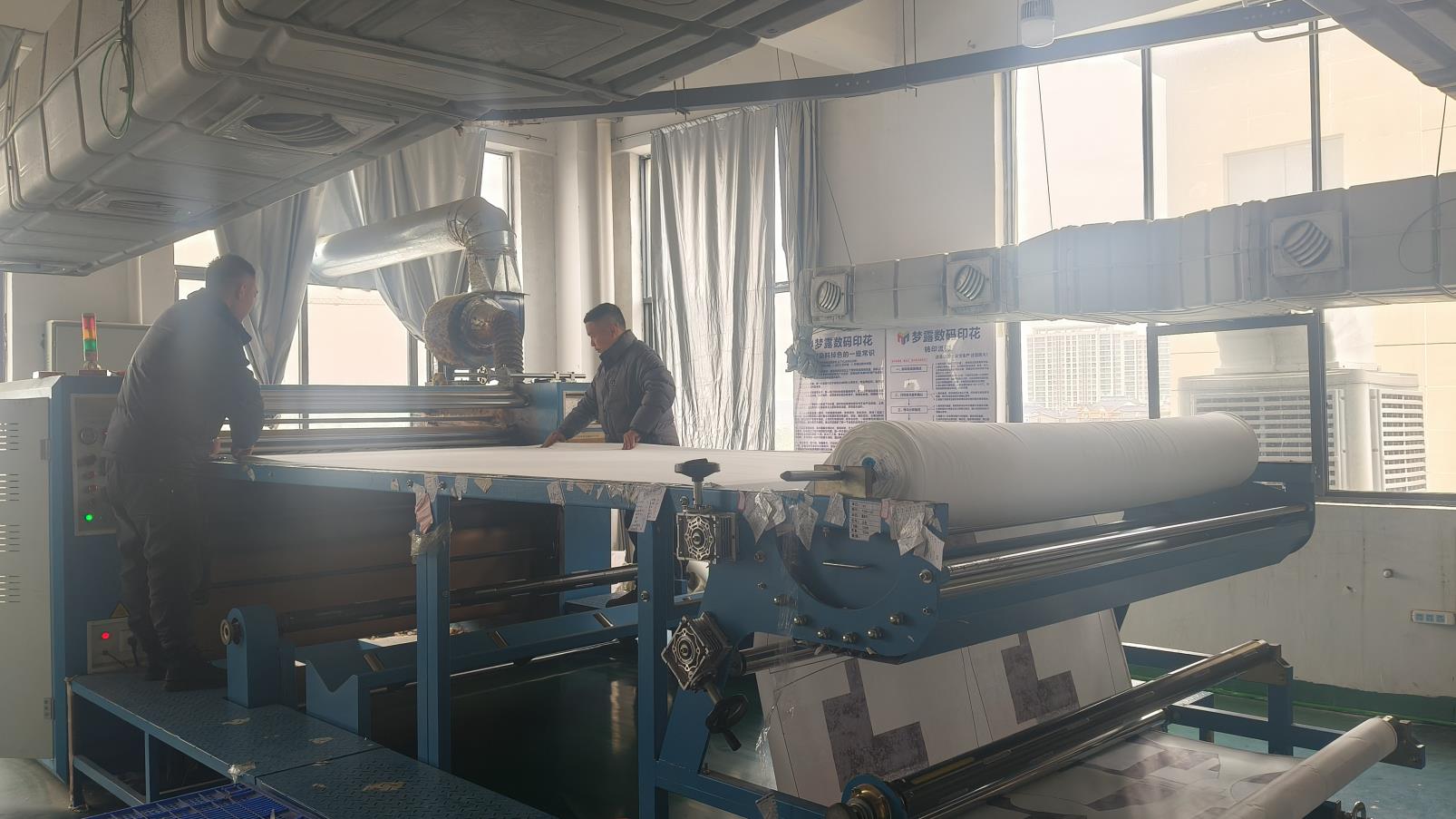
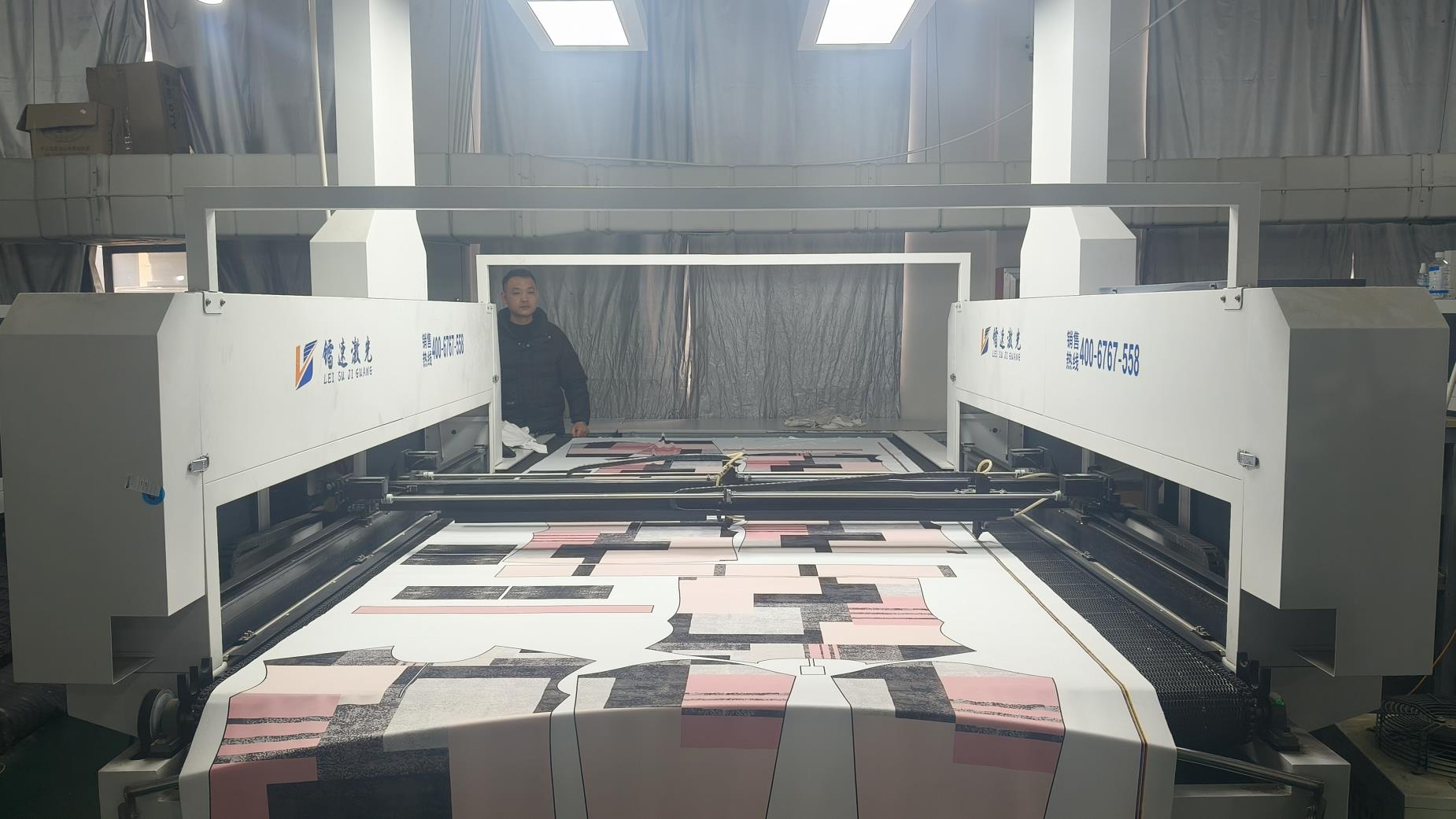
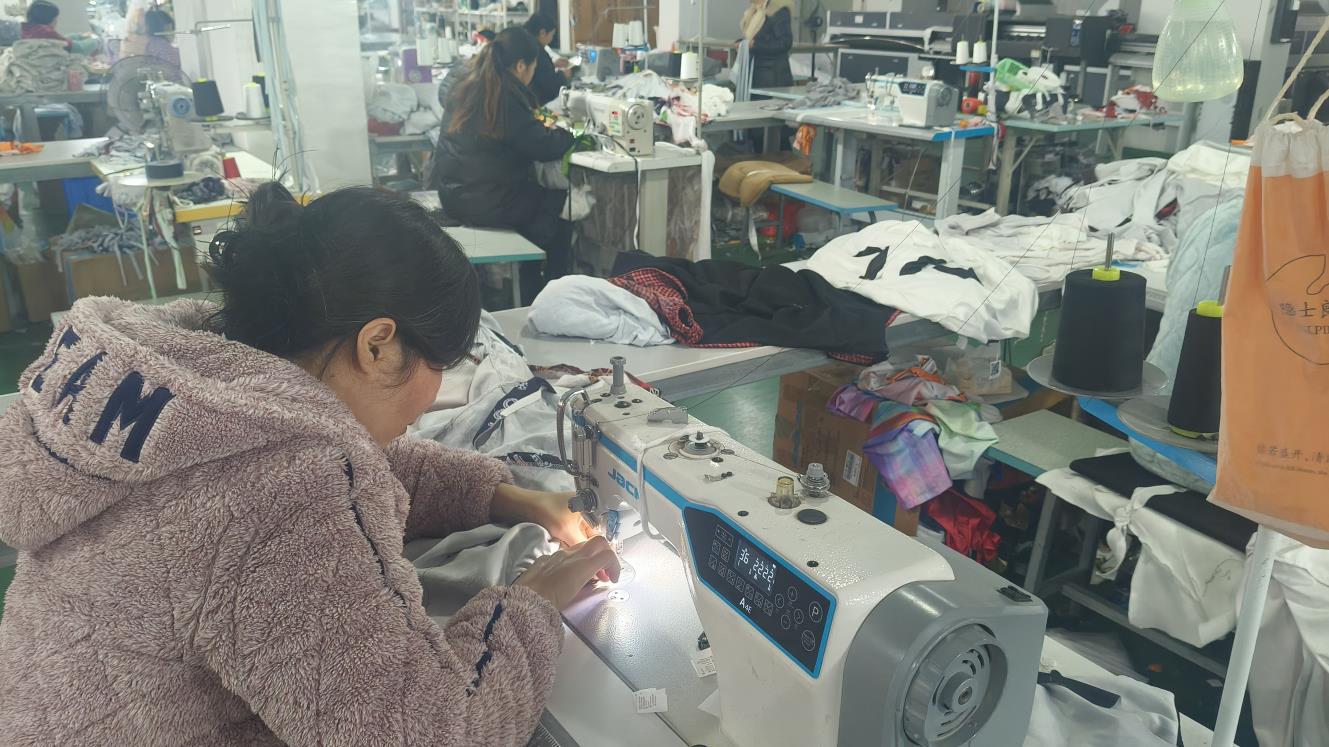
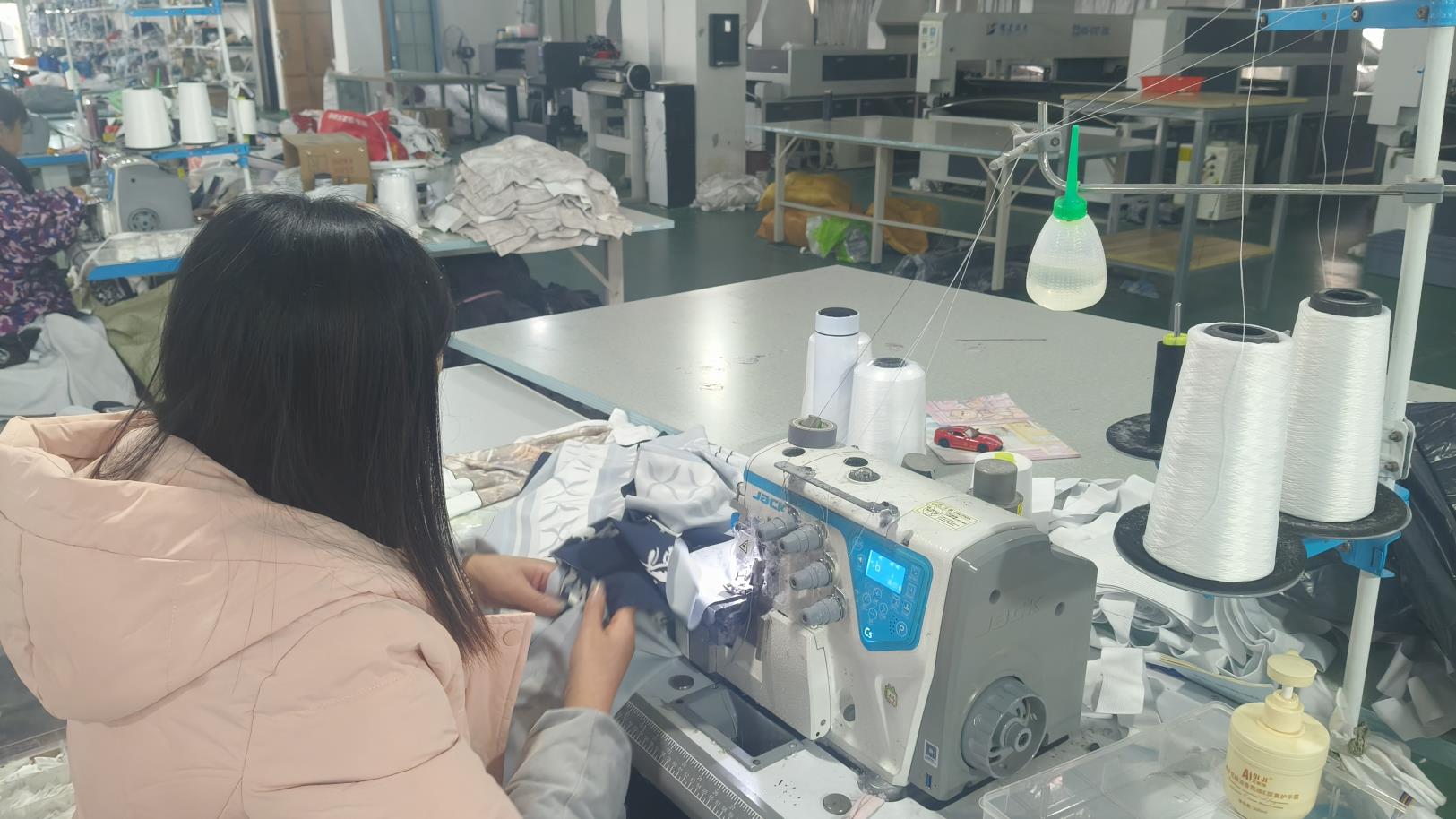
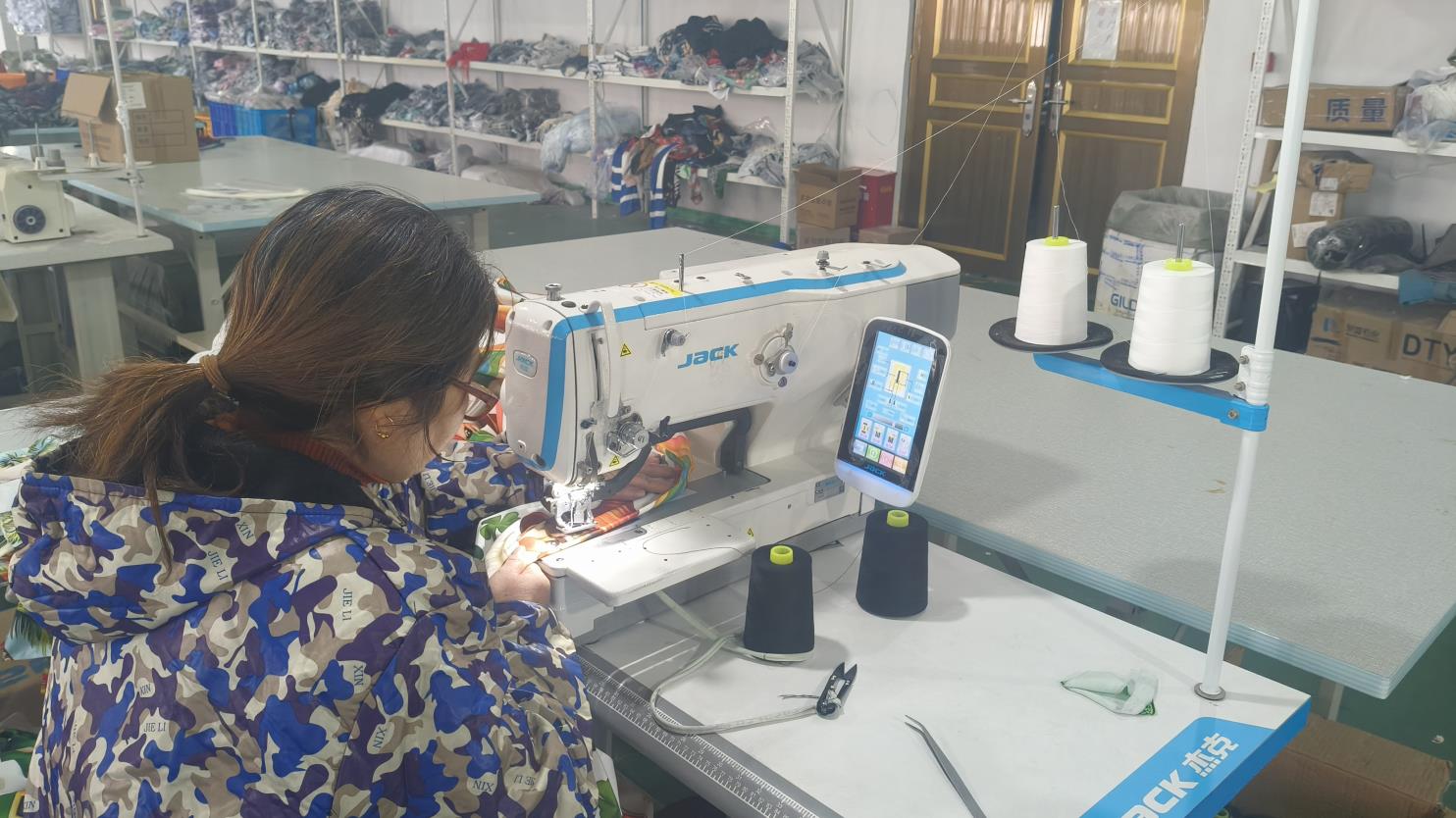
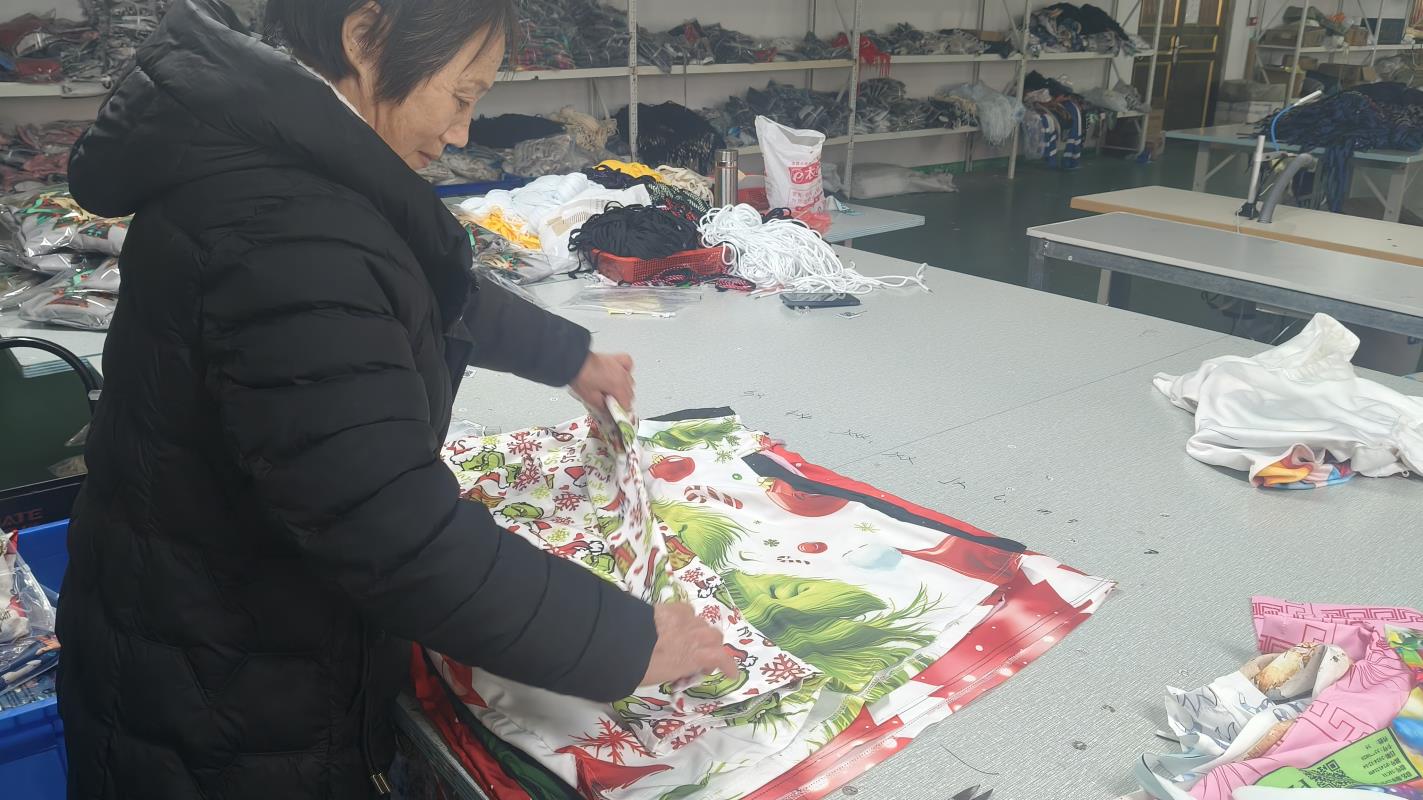
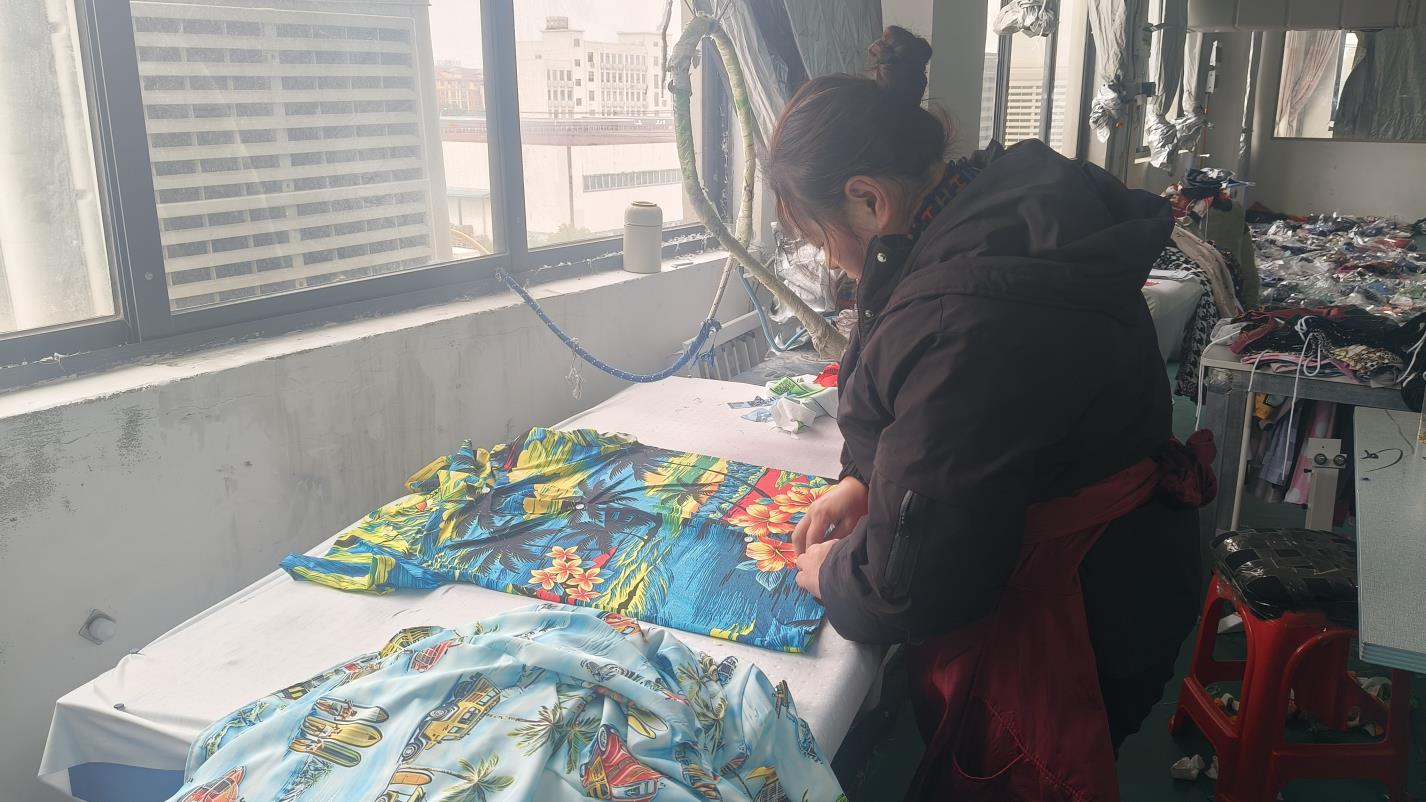
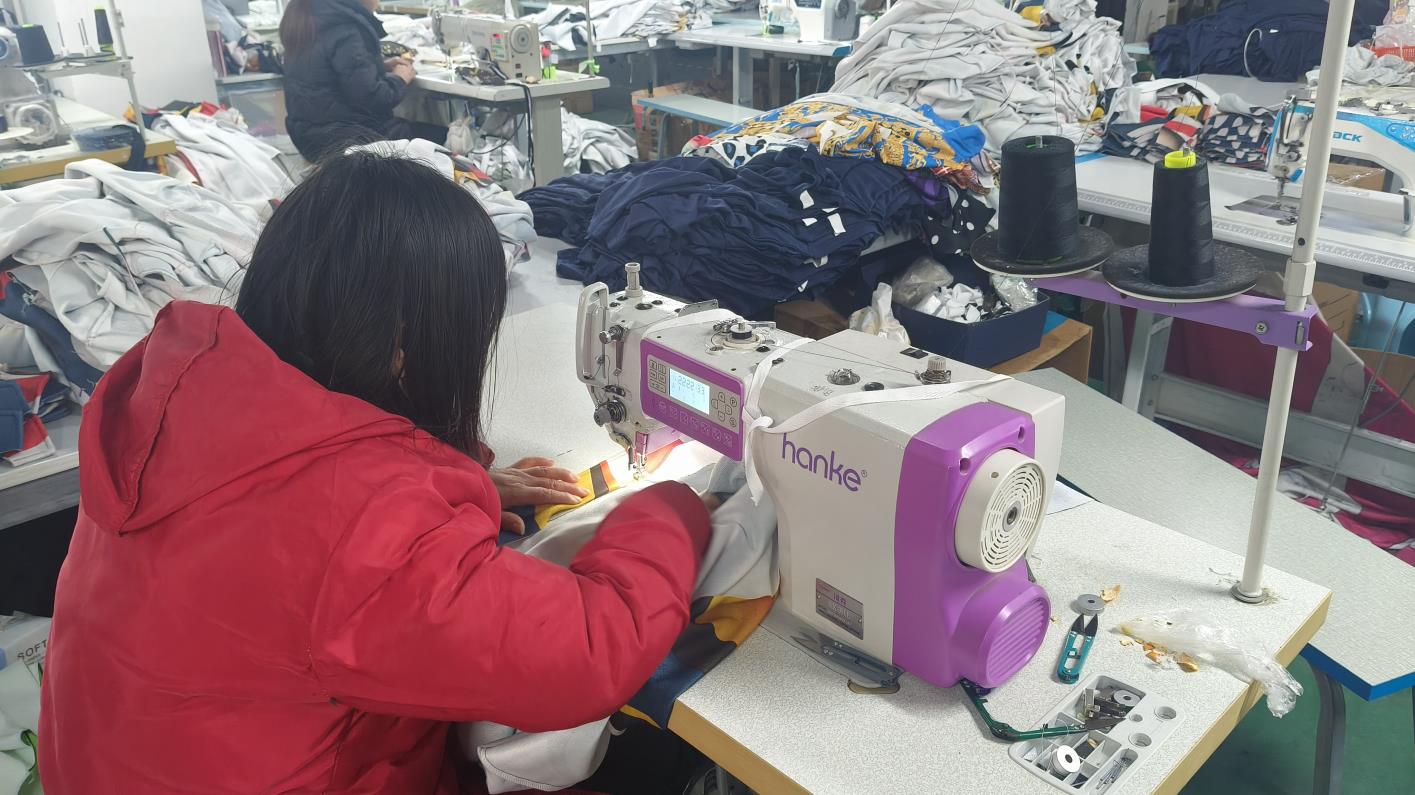
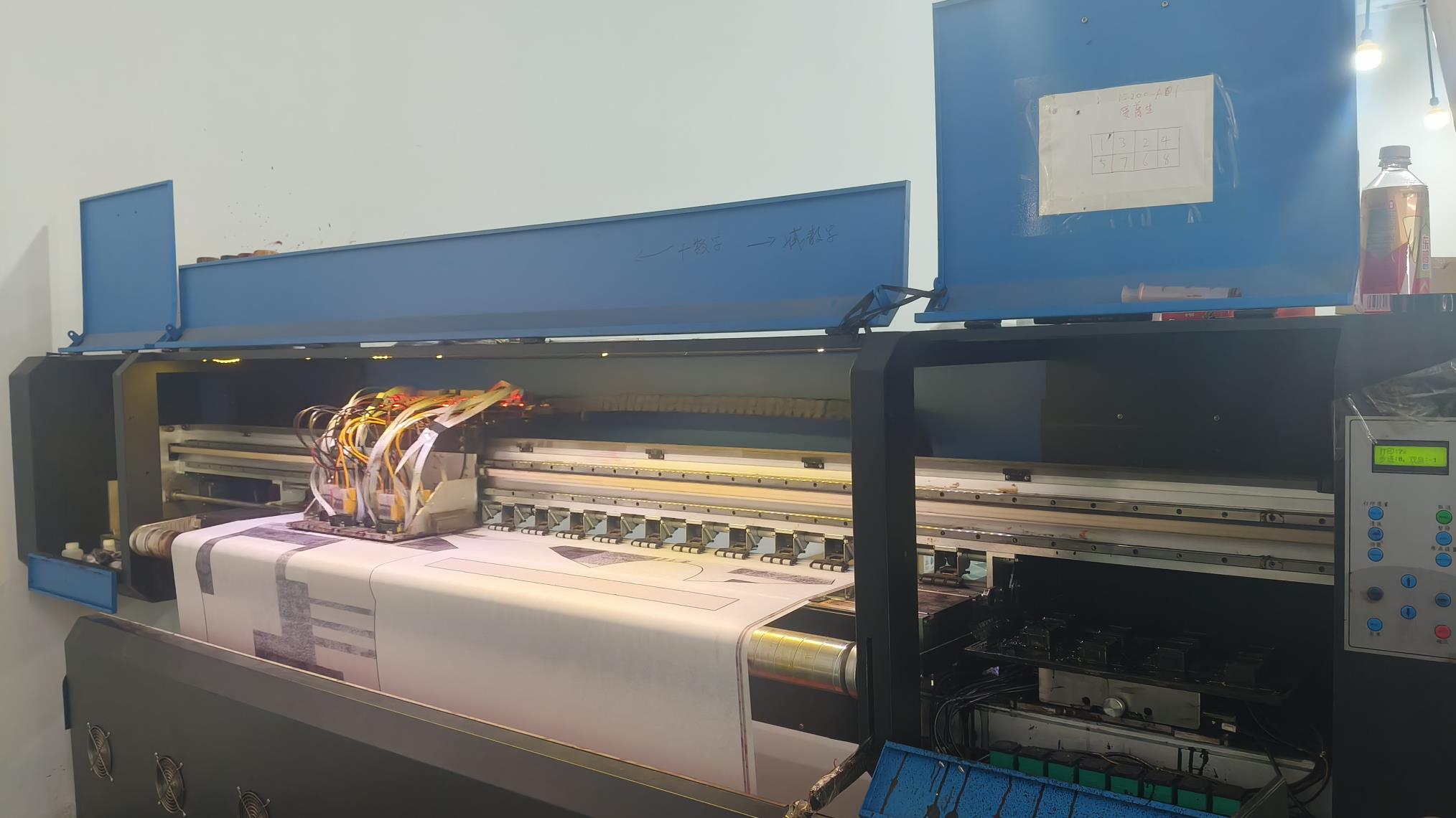
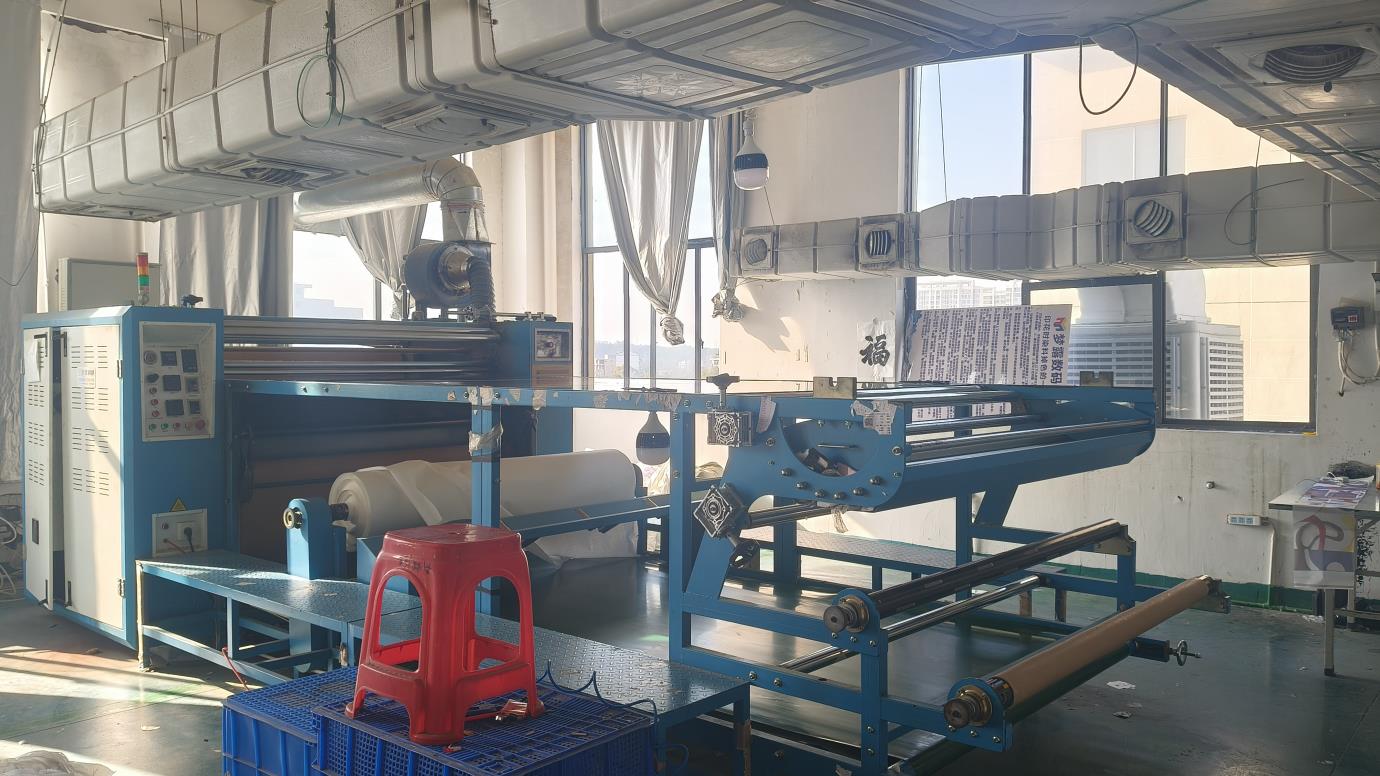
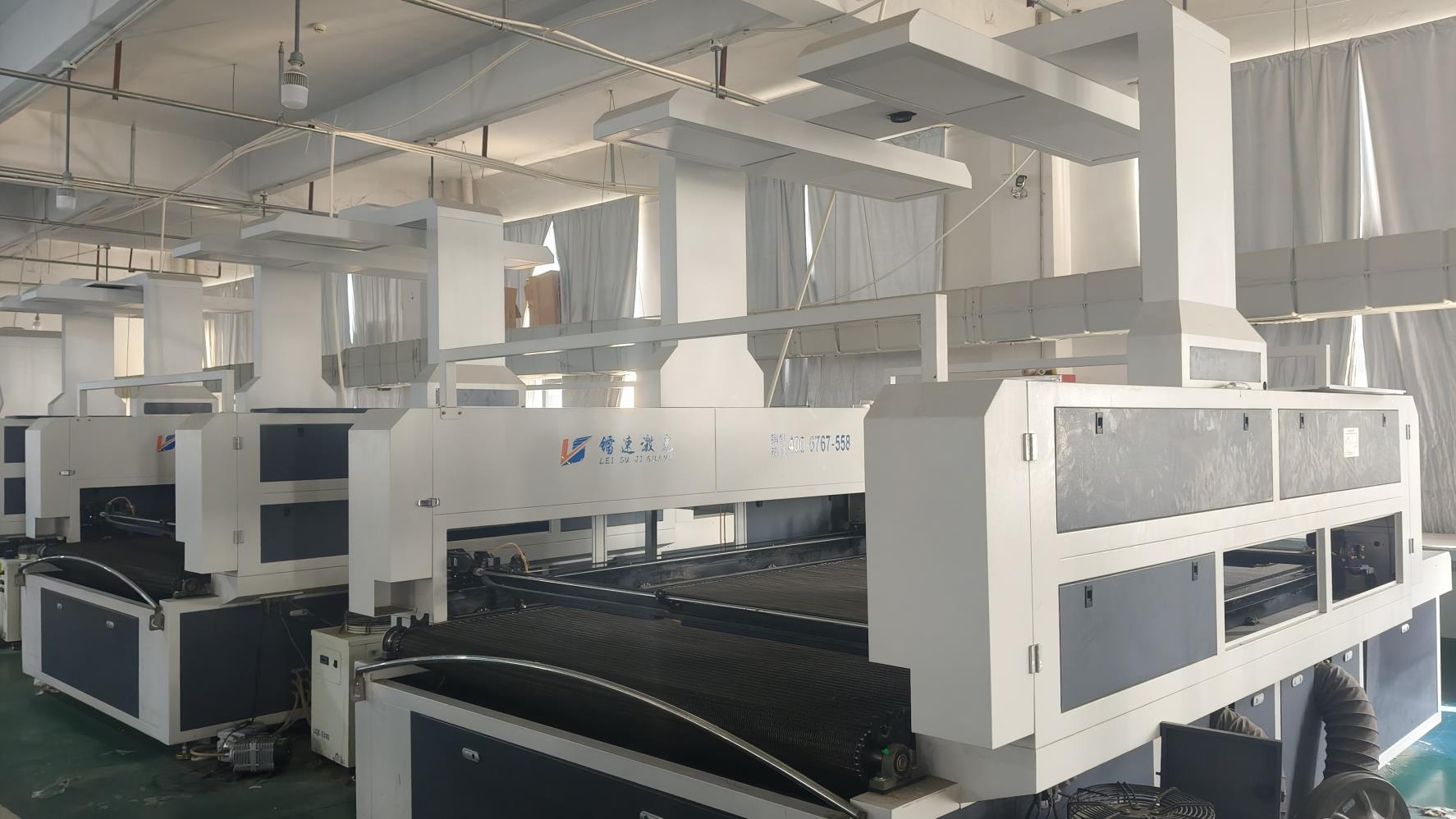
Step-by-step technological breakdown of our specialized textile fabrication facility.
What shapes the future of technical outdoor, lifestyle fashion, and high-performance clothing?
As we transition into 2026 and beyond, the technological roadmap for outwear highlights three core sectors: Biocompatible Fabrics, Circular Lifecycle Production, and Smart Thermoregulation.
Global brands are rapidly moving away from virgin polyesters and towards bio-derived nylon, recycled ocean plastics, and closed-loop cellulose fibers. These materials match the tensile strength of virgin polymers while lowering carbon footprints by up to 60%. Factories equipped with raw material storage facilities that segregationally manage organic, recycled, and virgin inputs will lead the procurement landscape.
Modern consumers despise heavy, bulky seams. The market dictates the implementation of seam-sealing heat transfers and high-frequency laser cutting. This ensures absolute moisture barrier integrity while maintaining sleek aesthetics. A typical outdoor sports jacket engineered through seamless overlock stitching and ultrasonic bonding techniques boasts greater flexibility and longevity than garments relying purely on traditional thread sewing.
Sourcing partners must cater to highly localized market variations in sizing, silhouette preference, and anatomical mapping. By utilizing CAD pattern grading and high-precision laser cutters, a factory can output customized product variations targeting North American, European, and Asian size metrics with zero friction.
Mitigating supply risks, ensuring product durability, and evaluating factory qualifications.
For international sourcing directors, finding a production partner is less about cost per unit and more about total cost of quality (CoQ). Substandard stitching, poor membrane lamination, or misaligned sizing in retail shipments can decimate brand reputation. Implementing a modern QA/QC framework is critical to mitigating these macro supply chain risks.
Our facility suggests checking the following three parameters when auditing any China-based apparel manufacturer:
Expert answers regarding custom apparel sourcing, factory capabilities, and regulatory compliance.
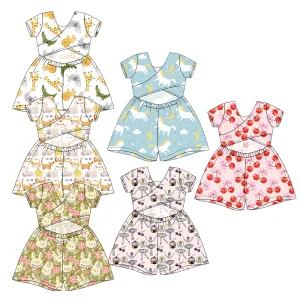
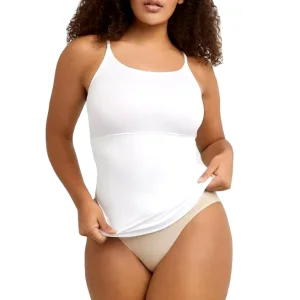
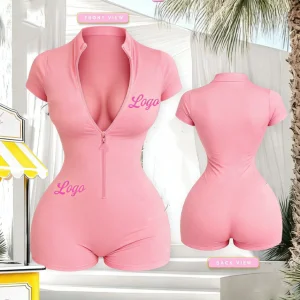
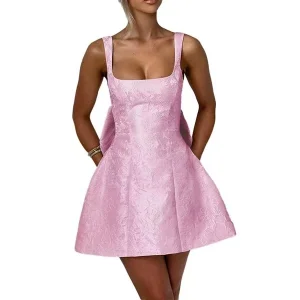
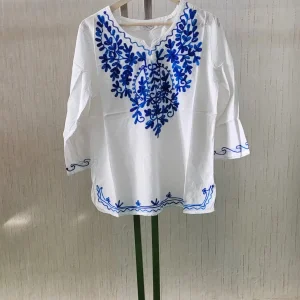
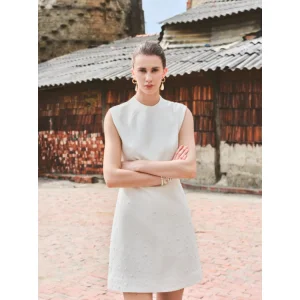
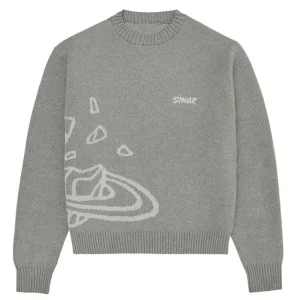
Discover our range of active playsuits, lounge sets, and performance knitwear manufactured for global markets.
 Bever Beauty