Explore our latest high-demand fashion developments, tailored for global brands seeking rapid deployment and premium quality control.
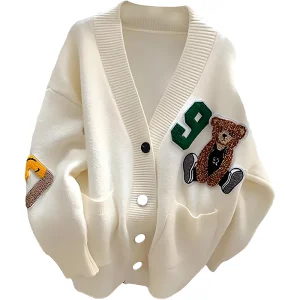
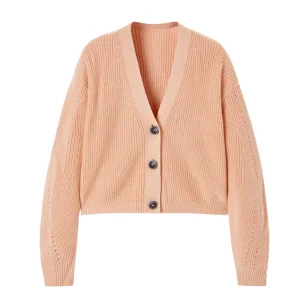
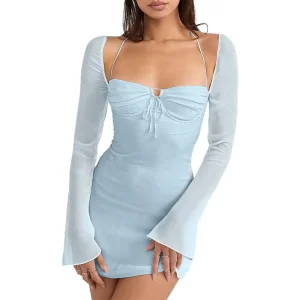
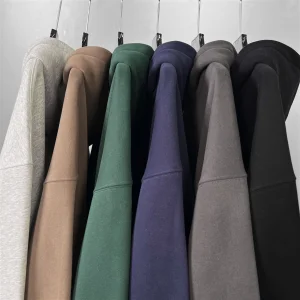

The global intimate apparel market has evolved from functional base layers into a complex sector defined by technical fabrics, ergonomic structures, and consumer-centric customization. In 2024, the global underwear market valuation reached approximately USD 85 billion, with projections indicating a CAGR of over 5.8% through 2030. Today's commercial success is driven by two parallel customer expectations: physical comfort (via fabric innovations such as modal, bamboo, and seamless knitting) and supply chain agility.
Modern consumers demand garments that align with active lifestyles, hybrid work configurations, and increasing environmental awareness. Consequently, standard retail models have shifted. Brands can no longer place massive orders on single styles and wait six months for delivery. Modern supply chains require high-frequency, smaller batches characterized by rapid prototyping, reliable compliance standards, and fast logistics response. In this landscape, working with an experienced manufacturer like Dongguan Bever Beauty Co., Ltd. is a distinct competitive advantage.
Traditional cut-and-sew intimate apparel is increasingly challenged by seamless construction technology. Utilizing high-gauge circular knitting machines, seamless apparel reduces frictional pressure points, creating a smooth fit. However, executing this at scale requires clean environments, automated raw material management, and expert laser-cutting machinery to prevent raw edge unraveling. As global regulations tighten around textile processing inputs, certified supply chains (BSCI, ISO9001, SEDEX) are no longer optional—they are essential requirements for entering premium Western markets.
Although other manufacturing regions have emerged globally, China remains a leader in raw material access, integrated supply chains, and technical processing precision. The Dongguan textile cluster showcases this structural efficiency. Instead of sourcing elastane, nylon, dyes, and elastic trims from different countries, Chinese manufacturers draw from an integrated local ecosystem. This reduces material acquisition lead times from weeks to days.
Additionally, Chinese production efficiency is driven by manufacturing technologies such as automated pattern design (CAD), robotic fabric cutters, laser edge treatment, and ultrasonic bonding machines. These technologies ensure consistent tolerance limits across production runs, minimizing manual sewing variations. For international brands, this translates to lower reject rates, reliable sizing, and shorter concept-to-market cycles.
Since its establishment, Dongguan Bever Beauty Co., Ltd. has always adhered to the philosophy of “the perfect fusion of design and manufacturing”, and is committed to continuous excellence in the women’s apparel industry. With strong capabilities in both creative design and production management, the company focuses on delivering fashionable, high-quality, and practical women’s clothing to global customers.
Dongguan Bever Beauty Co., Ltd. is dedicated to providing women with stylish and functional clothing through innovative design concepts and carefully selected fabrics. We believe that clothing is more than just daily wear—it is a reflection of confidence, individuality, and personal style. Each piece is thoughtfully designed and strictly controlled throughout the production process, from concept development to final manufacturing. Our goal is to ensure that every product meets high standards in design detail, fabric quality, and wearing experience, while continuously adapting to evolving fashion trends.
Dongguan Bever Beauty Co., Ltd. places strong emphasis on quality management, ethical production, and supply chain transparency. The company has obtained multiple internationally recognized certifications, including:
Through a well-structured production system and strict quality inspection standards, we ensure that every garment meets international requirements and customer expectations.
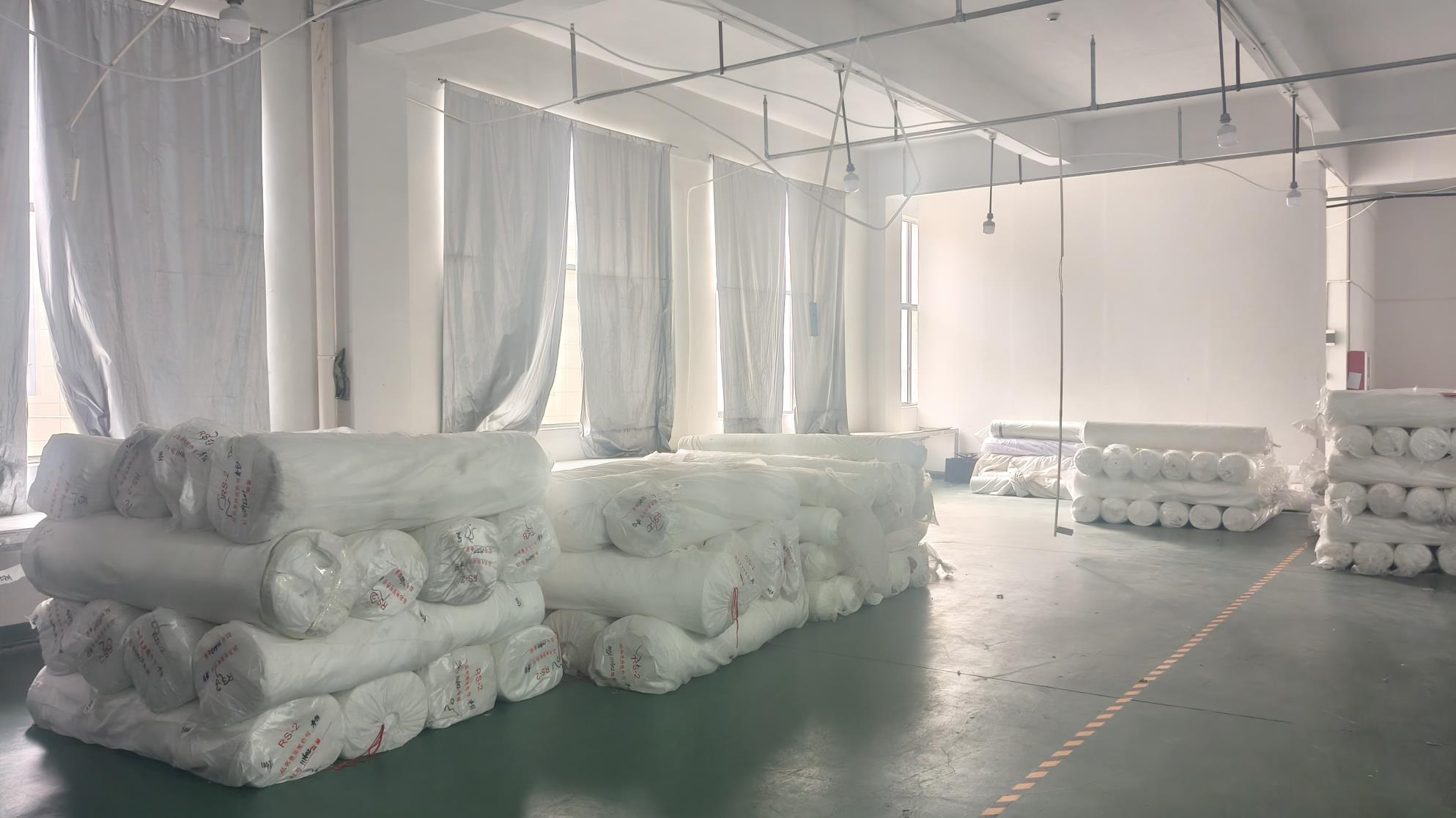
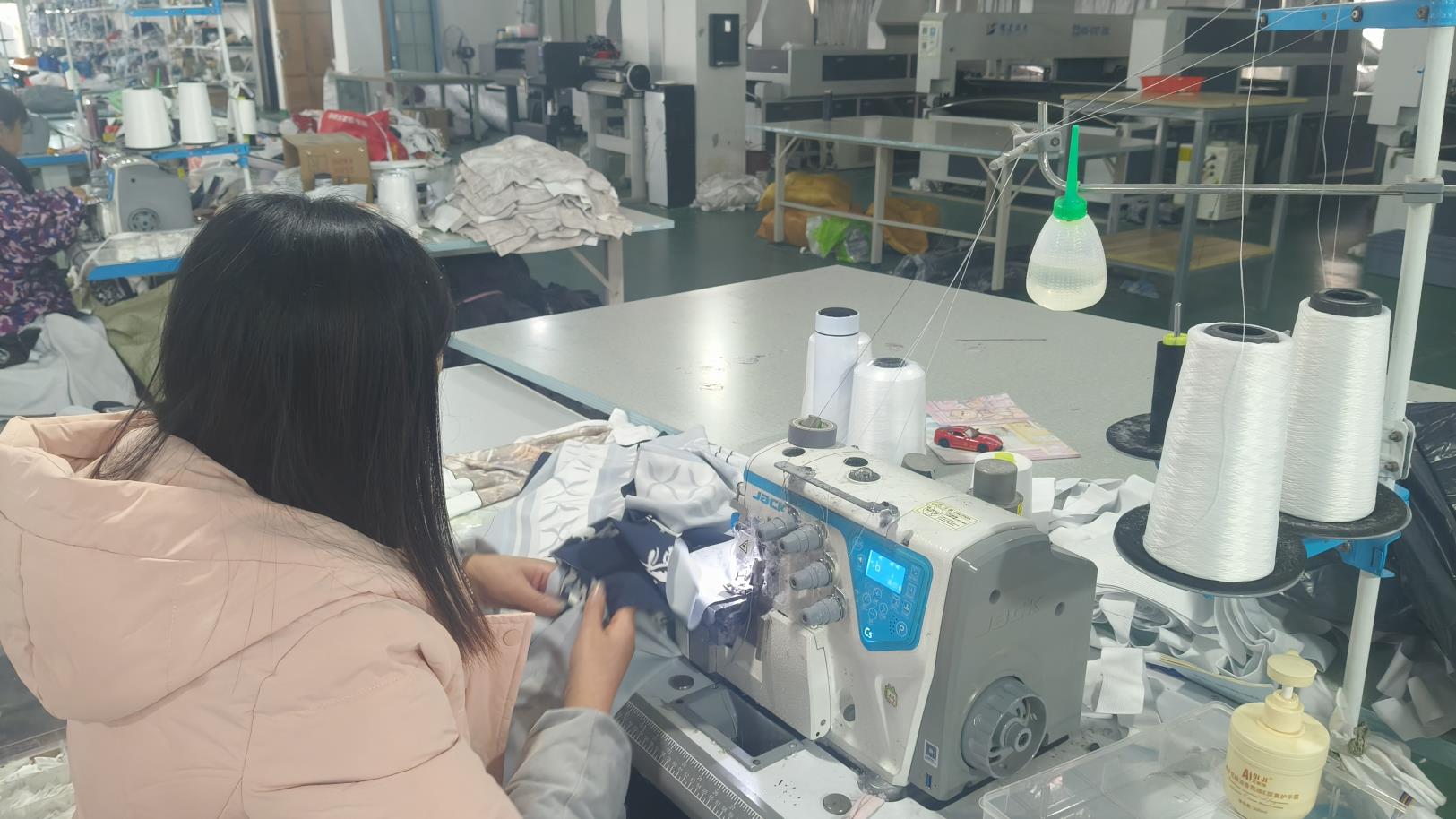
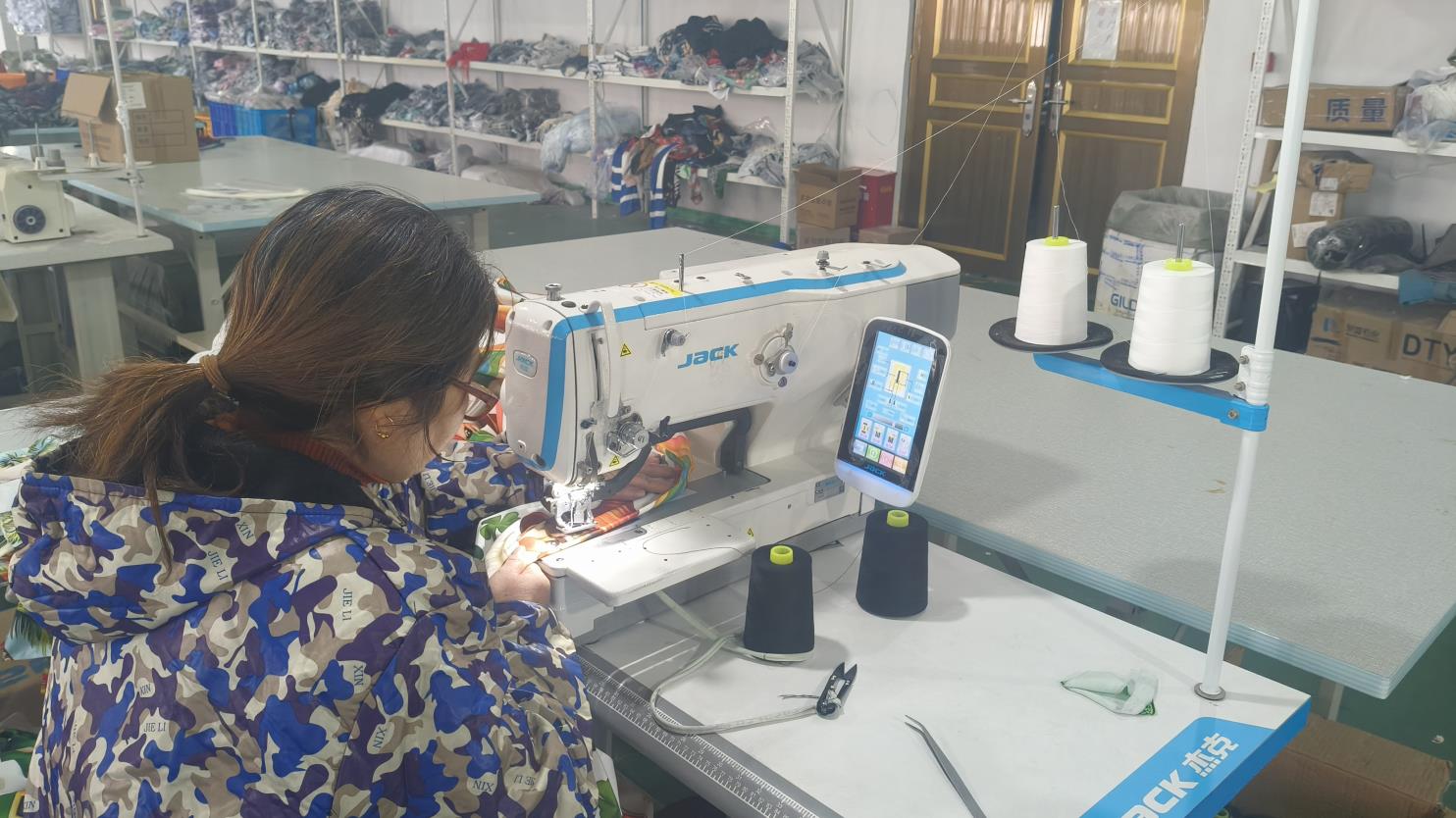
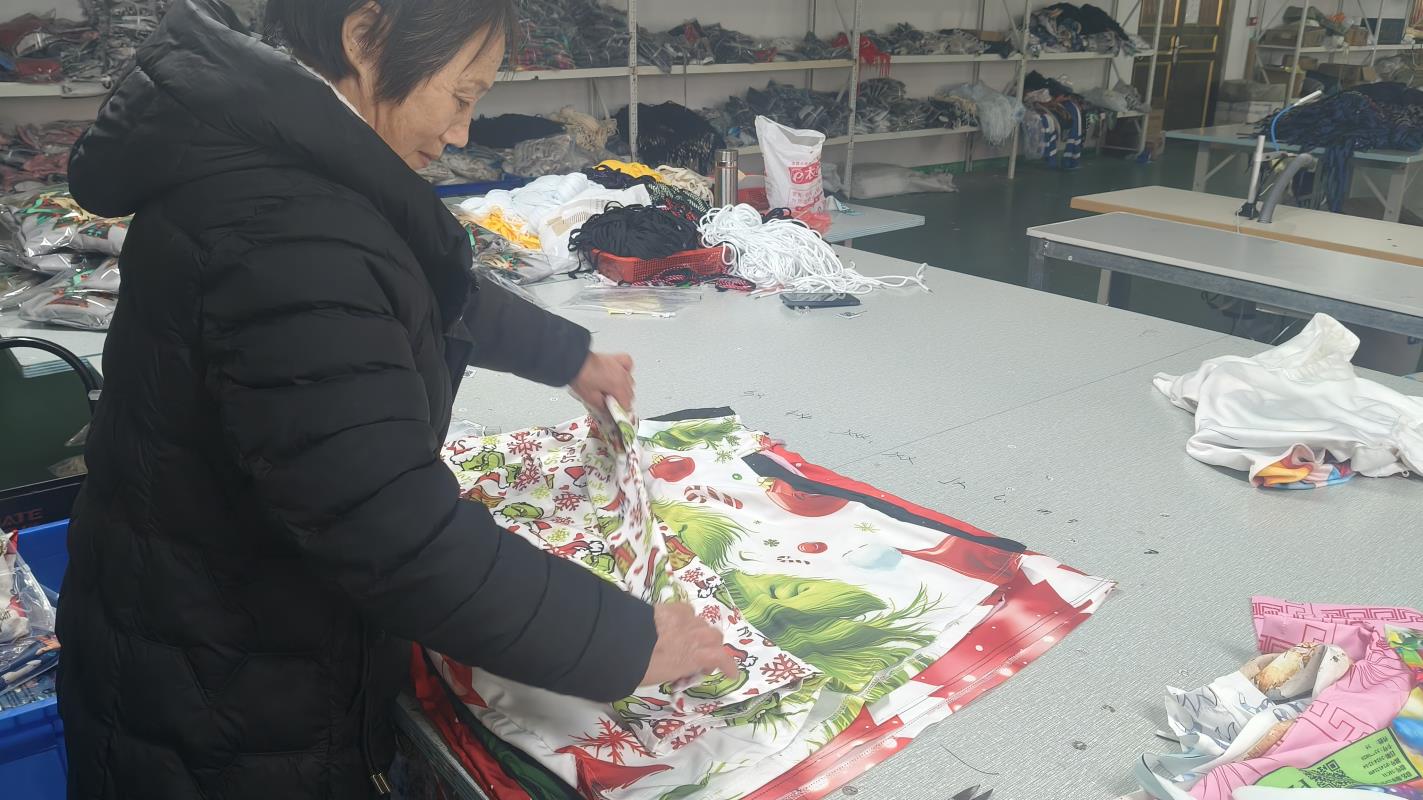
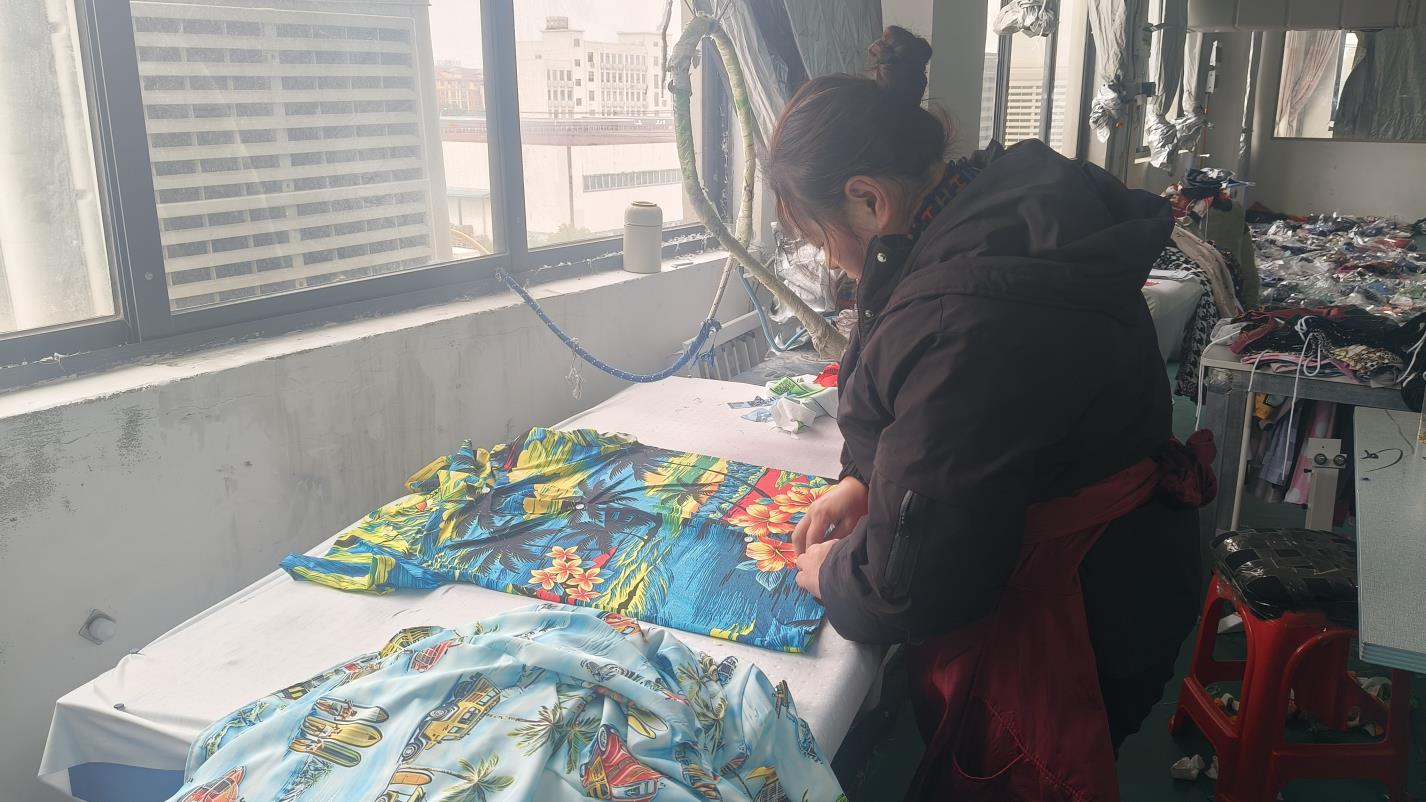
A step-by-step look at our integrated production workflow. From raw fiber storage to computer-guided laser cutting and strict quality control.
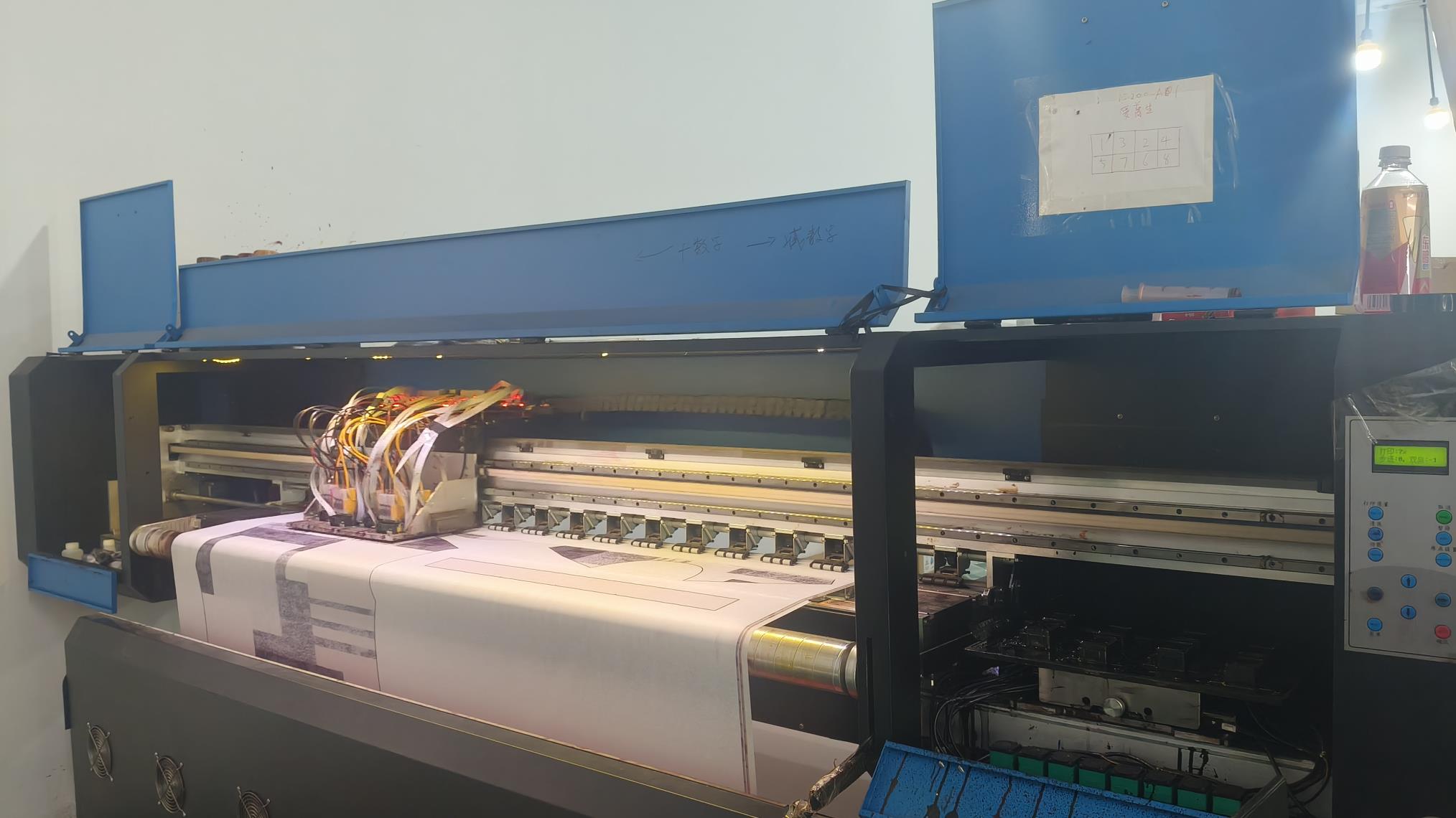
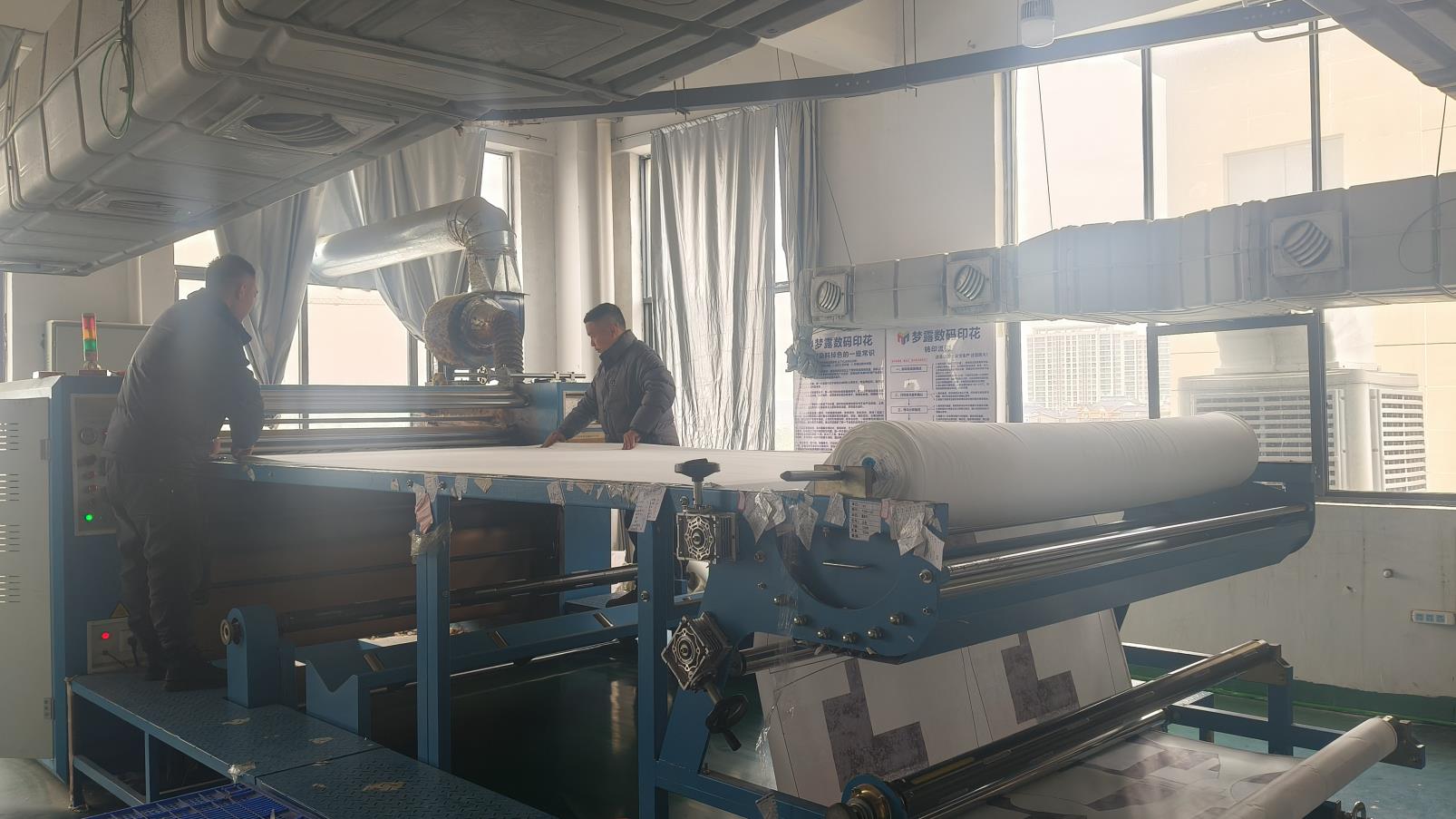
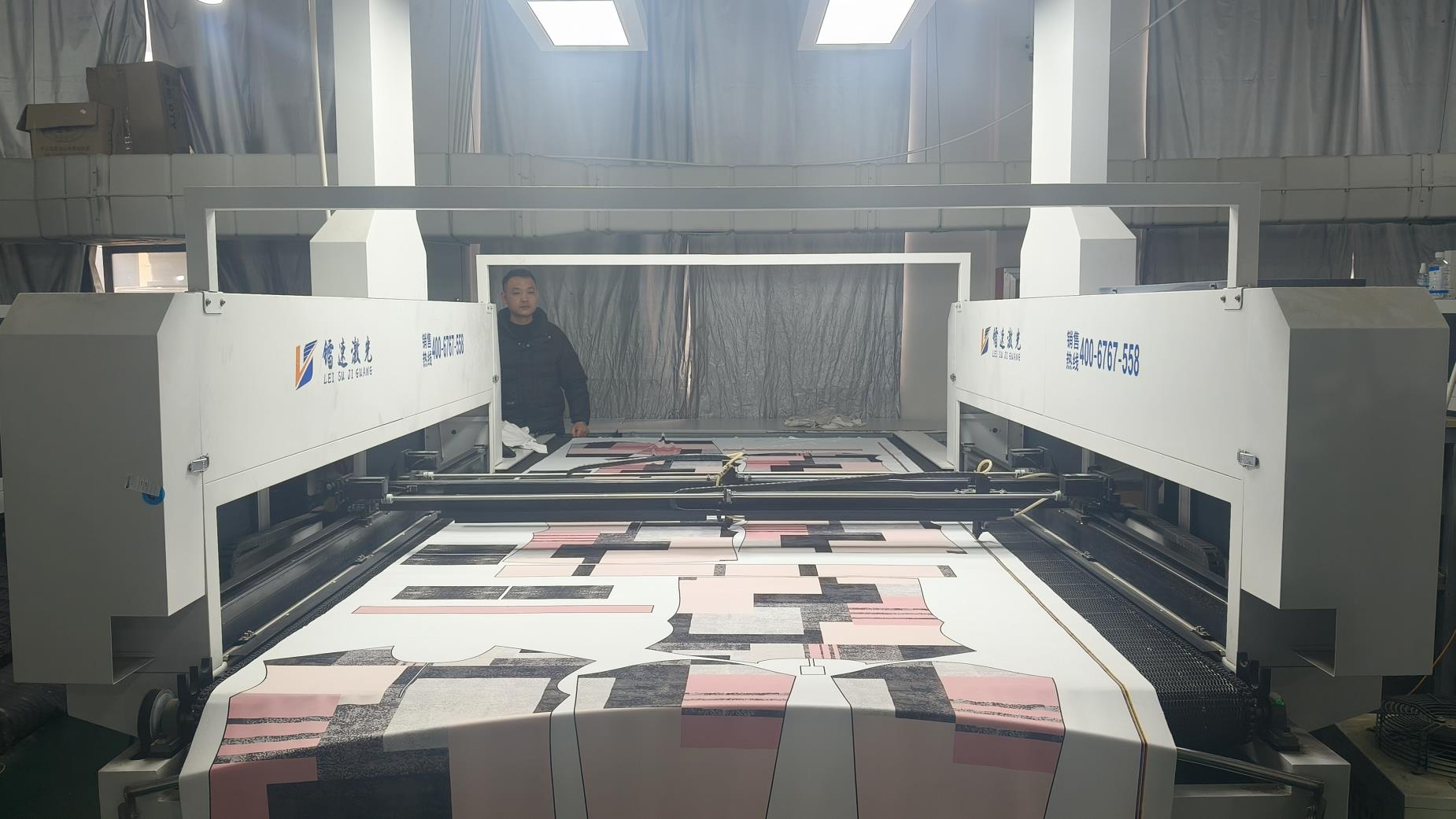
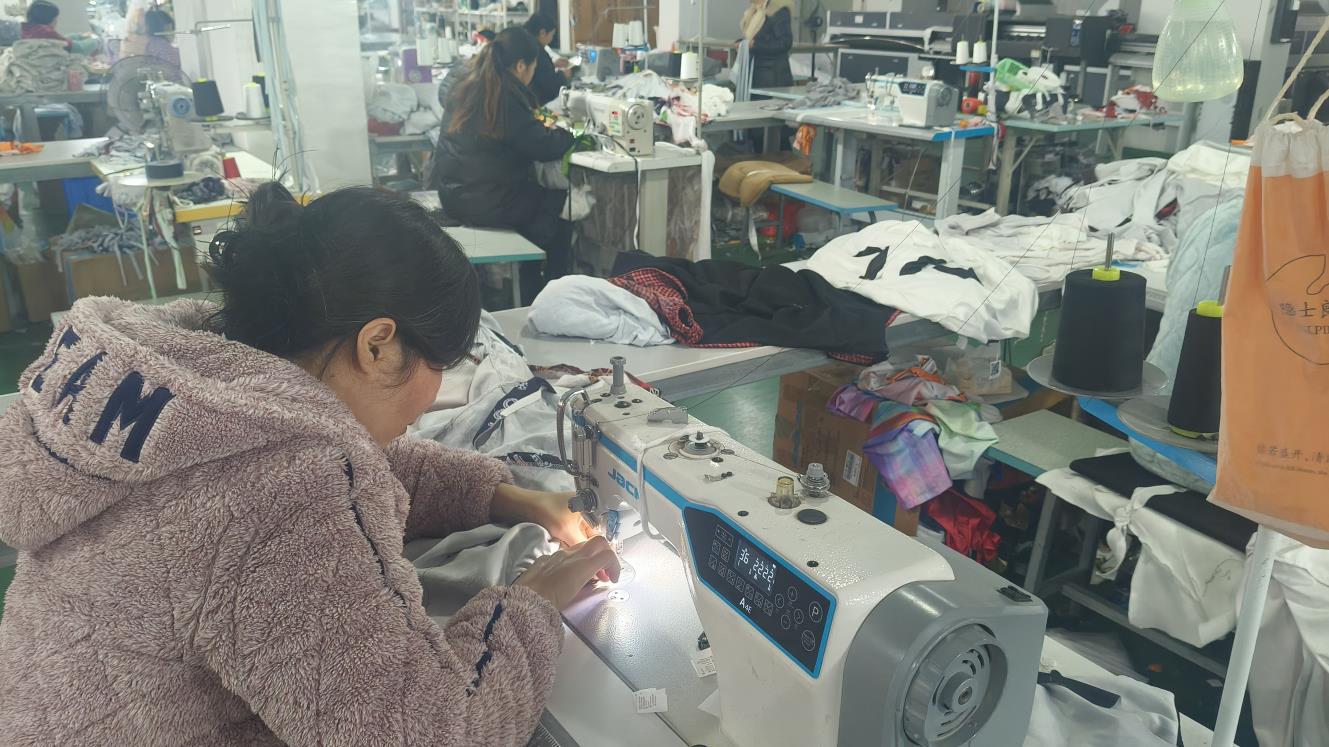
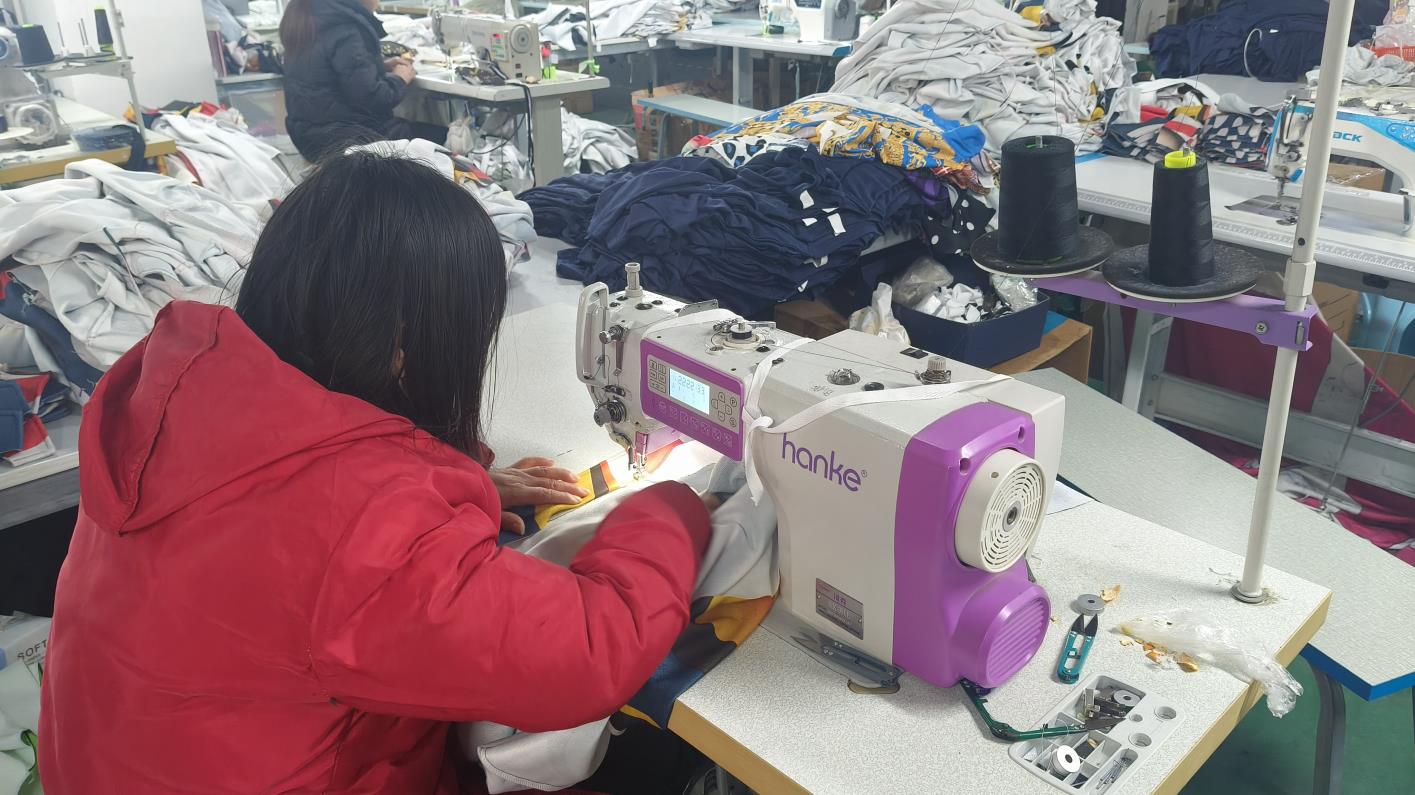
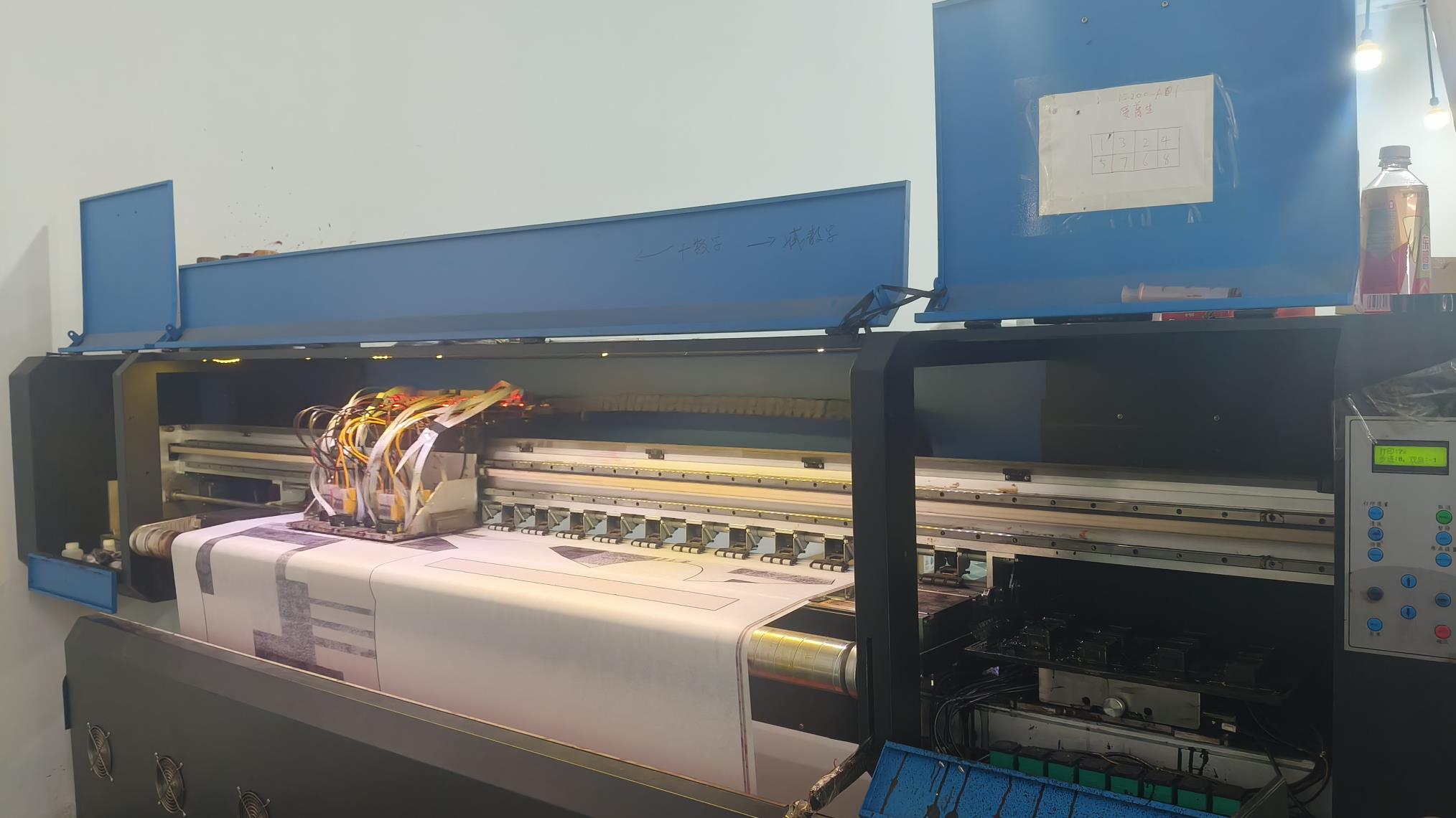
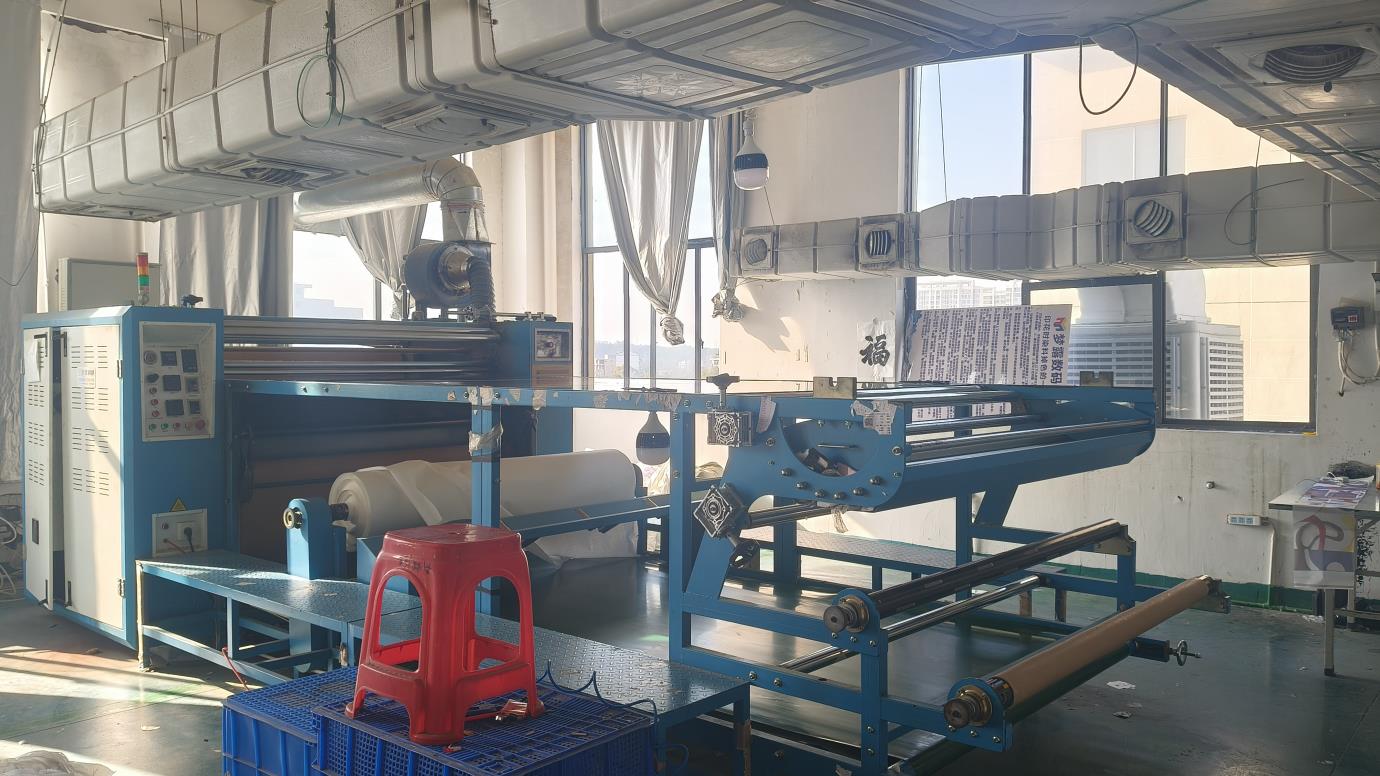
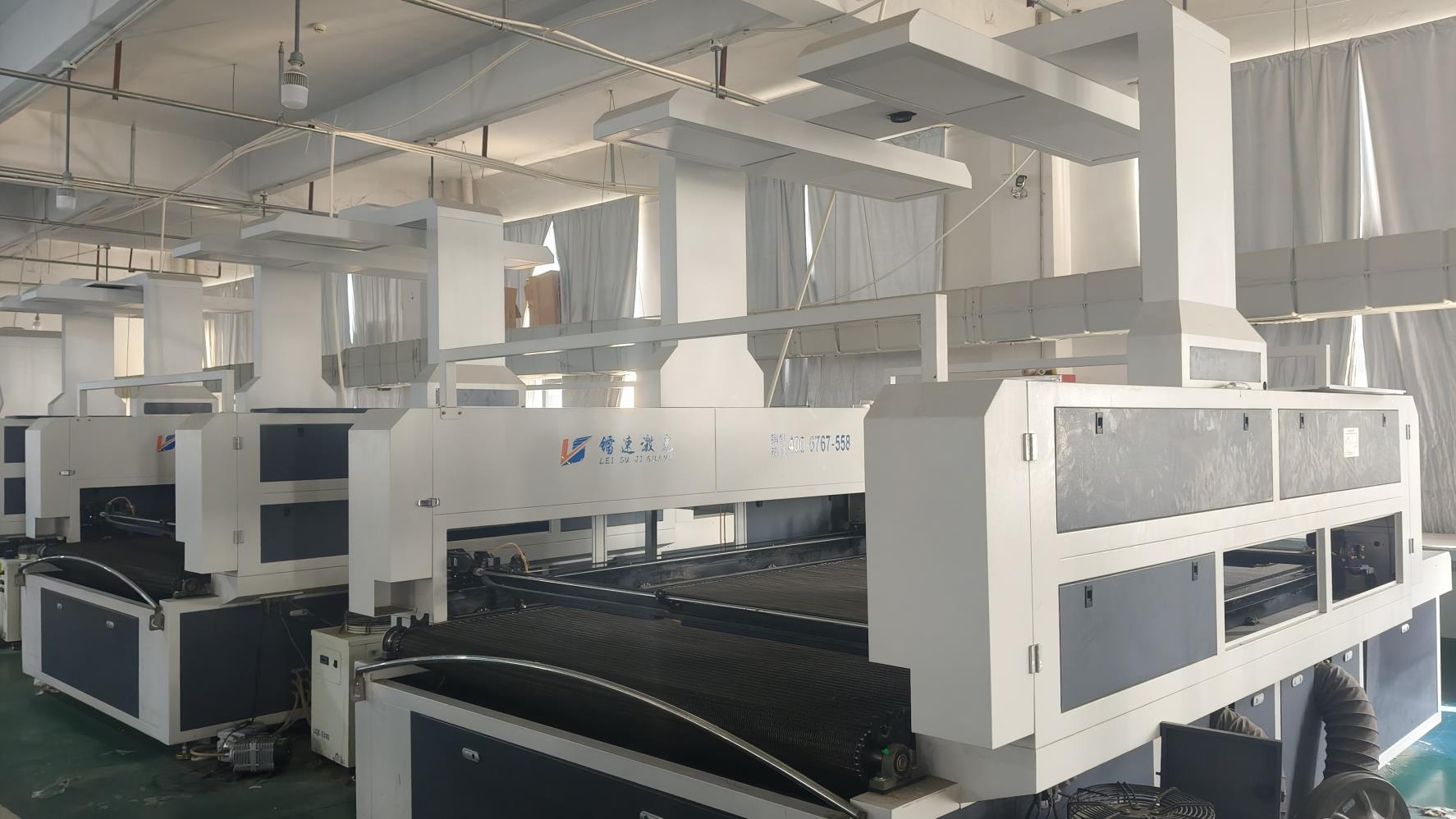
Underwear is no longer a single-category product. Diverse applications require specific fabric compositions, stitch selections, and structural properties. As an experienced OEM/ODM provider, we customize products for various market segments:
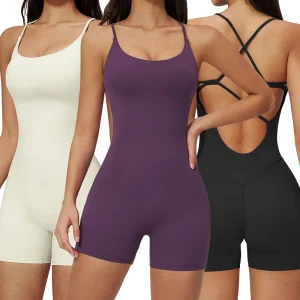
Sports bras and performance undergarments require high elastane blends, fast-drying capillary action, and flatlock stitching. These elements prevent skin chafing during high-impact movement. Our production uses multi-needle stitching and targeted compression zones to provide support without restricting breathing.
Designed for fit under tailored garments, seamless dailywear uses circular-knit synthetic blends (nylon/spandex) to eliminate visible panty lines (VPL). Our laser cutting and thermal bonding technologies create clean, flat edge terminations that remain secure through repeated machine washings.
Shapewear relies on targeted tension zoning. By strategically altering knit density across a single fabric panel, we create tummy-control and waist-shaping properties without stiff internal boning. This maintains breathability and comfort for long-term wear.
With increasing consumer demand for organic apparel, we source OEKO-TEX certified organic cotton, bamboo fibers, and modal blends. These natural fabrics are gentle on sensitive skin and processed using non-toxic dyes, meeting strict international green criteria.
Utilizes multi-channel capillary yarns to quickly wick perspiration away from the skin, accelerating dry times.
Maintains structural retention up to 150% elongation, preventing sagging after extended wear.
Zero heavy metal mordants, maintaining pH values that match the skin's natural range.
Overseas sourcing managers often face challenges such as communication gaps, fluctuating sample quality, delayed shipments, and compliance issues. At Dongguan Bever Beauty Co., Ltd., we mitigate these risks through a structured approach:
Looking ahead, the intimate apparel industry is evolving through materials science and automation. Key trends include:
Future underwear fabrics will incorporate phase-change materials (PCM) that absorb or release heat based on body temperature. This helps keep the wearer comfortable in changing environments.
Wearable technology is moving into base-layer clothing. By weaving conductive silver threads into structural bands, future underwear can monitor heart rate, muscle activity, and respiration patterns. This data can be transmitted to mobile apps, making smart underwear useful for healthcare and athletic training.
Traditional elastane-nylon blends are difficult to recycle. Modern textile labs are developing mono-polymer stretch fabrics that can be melted and re-spun. This approach supports a circular product lifecycle, reducing the textile industry's environmental footprint.
Technical answers regarding production capacity, customization limits, shipping logistics, and compliance audits.
Explore our collection of custom casual, activewear, and performance garments designed for international markets.

 Bever Beauty