Direct from certified manufacturers, optimizing margins with low MOQ, premium fabrics, and high-performance quality assurance.
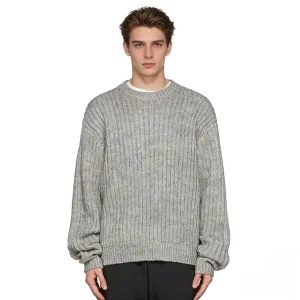

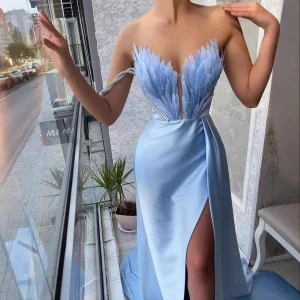
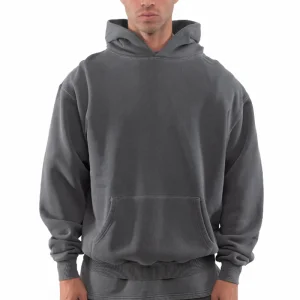
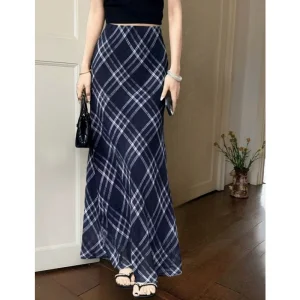

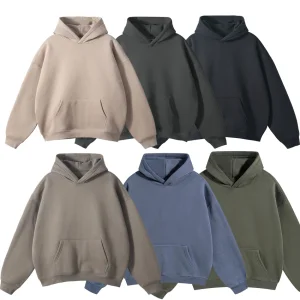
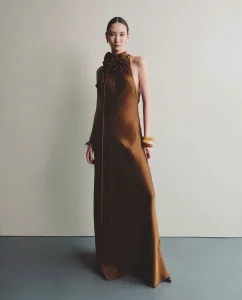
In the post-pandemic fashion epoch, the global maxi skirt market has observed unprecedented structural expansion. Once categorized merely as seasonal resort wear, the maxi skirt is now recognized as a staple in year-round capsule wardrobe collections, bridging the gap between high-fashion modest aesthetics and functional urban daily wear.
The evolution of search queries points towards a massive shift in consumer intent: users are no longer simply looking for "cheap maxi skirts." Instead, search parameters have pivoted to specialized fabric composition (such as silk blends, organic cotton, heavy drape linen, and tech-knit fibers), ethical supply chain validation, and tailored fits that accommodate variable body geometries. This shift requires apparel procurement managers, retail brands, and independent designers to prioritize factories that offer comprehensive OEM/ODM structural pattern development alongside verified environmental compliance.
Sourcing systems now integrate biodegradable fibers, OEKO-TEX certified yarns, and recycled polyester blends to alignment with global green compliance policies.
Leading factories deploy sub-15 day turnaround windows on custom pattern orders using CAD digital cutting systems to reduce inventory carrying risk.
Rigorous manufacturing inspections verified via BSCI, SEDEX, and ISO9001 systems provide transparency and security for public retail markets.
Combining cutting-edge fashion design with highly optimized lean manufacturing systems to supply international markets with high-precision women's apparel.
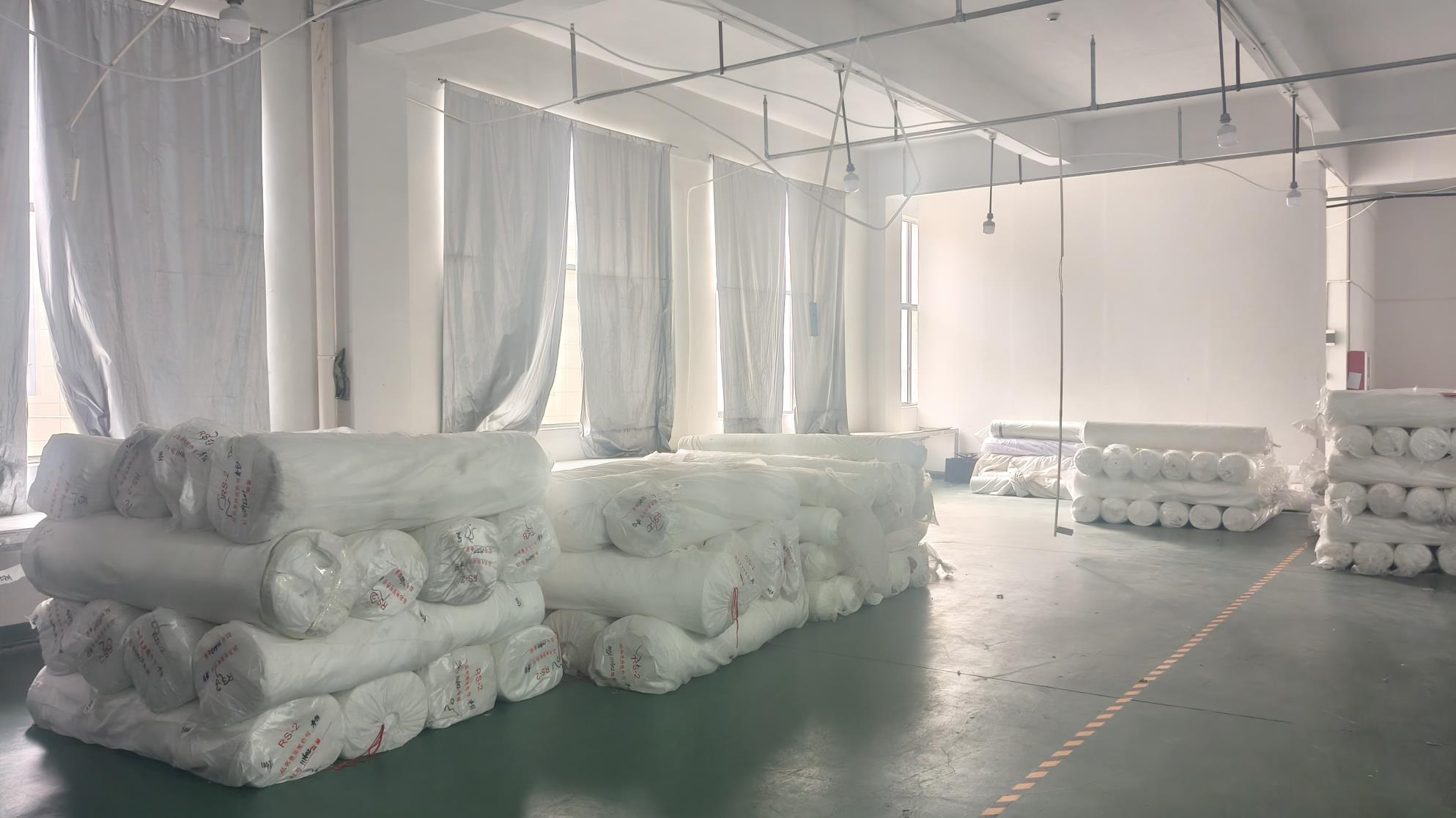
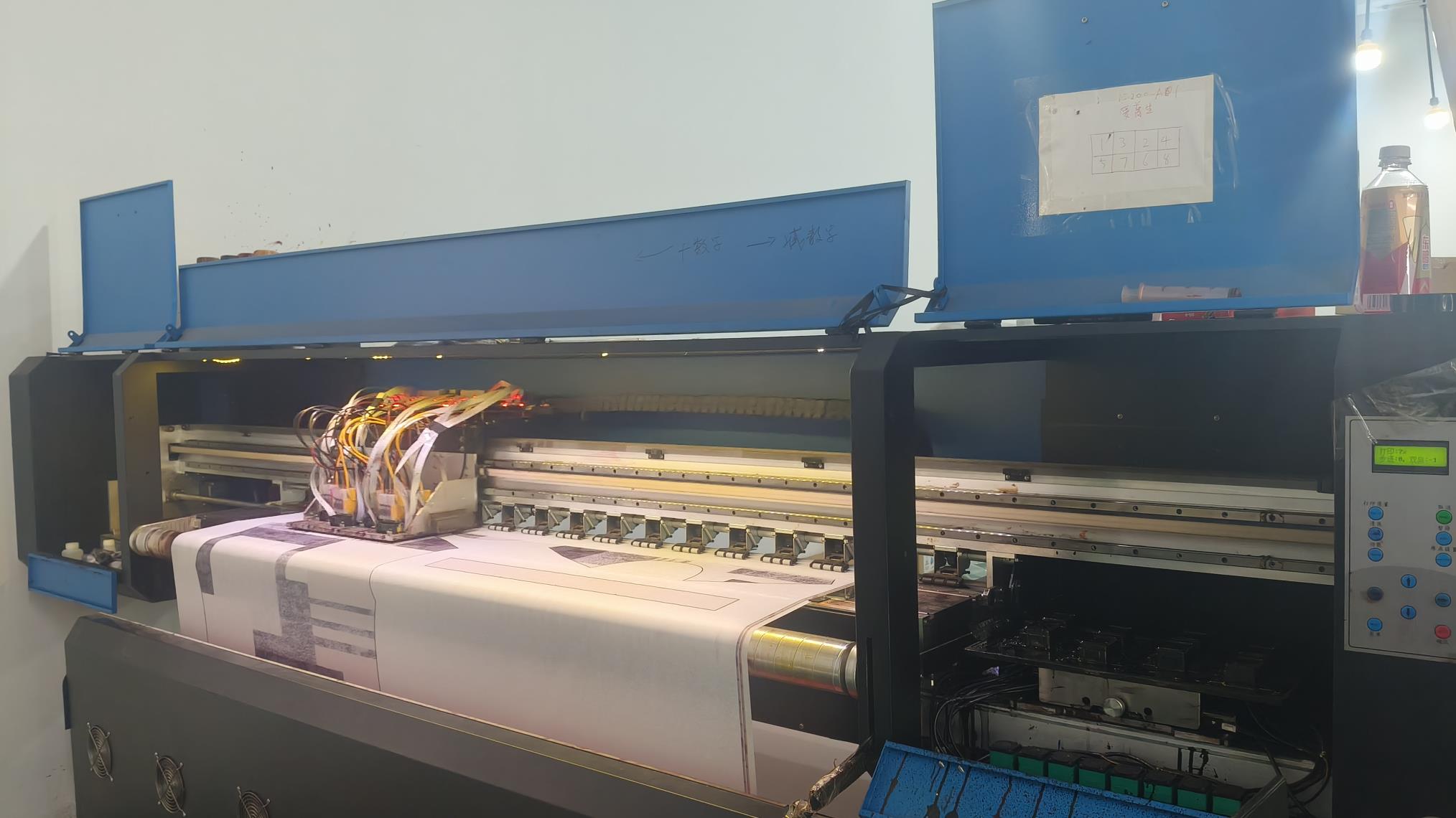
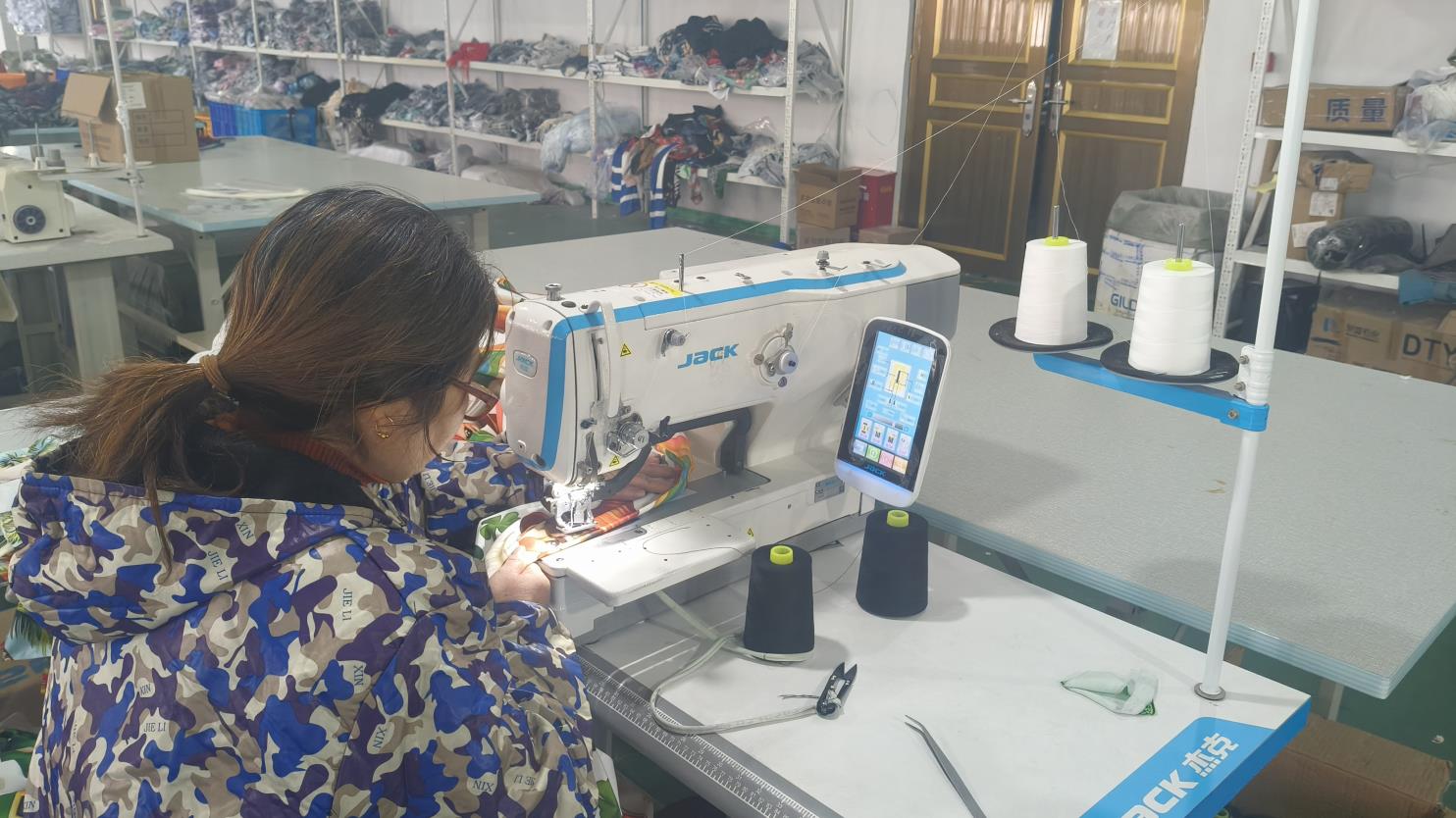
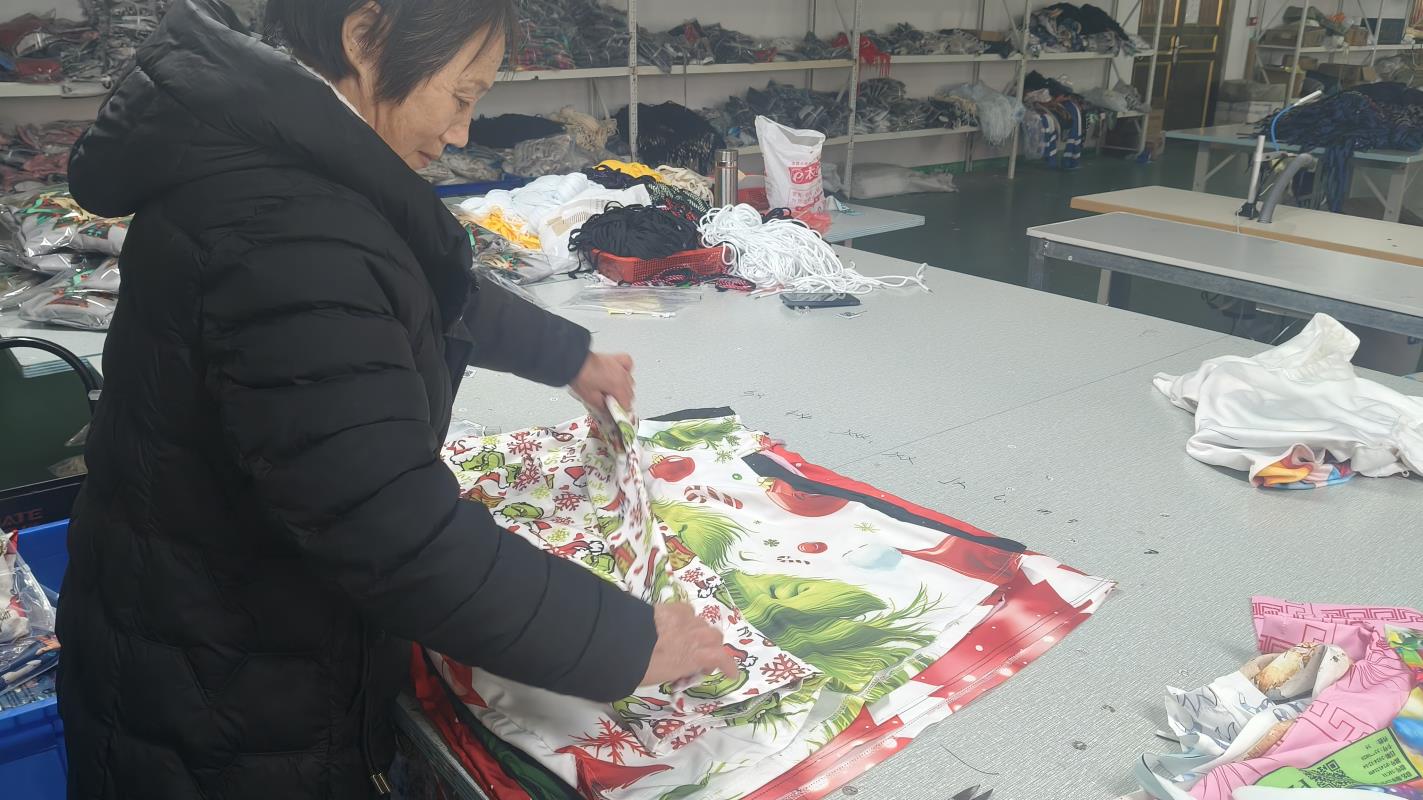
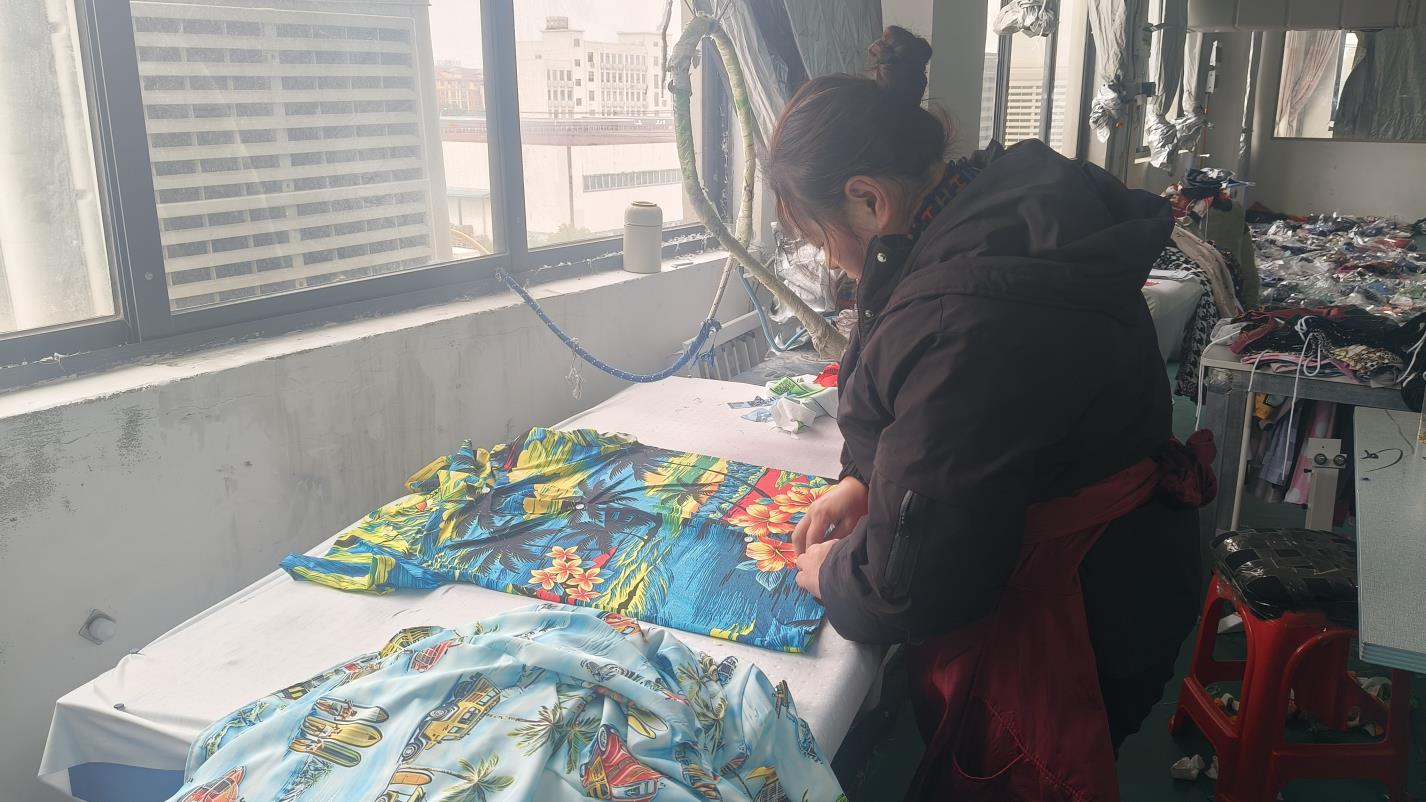
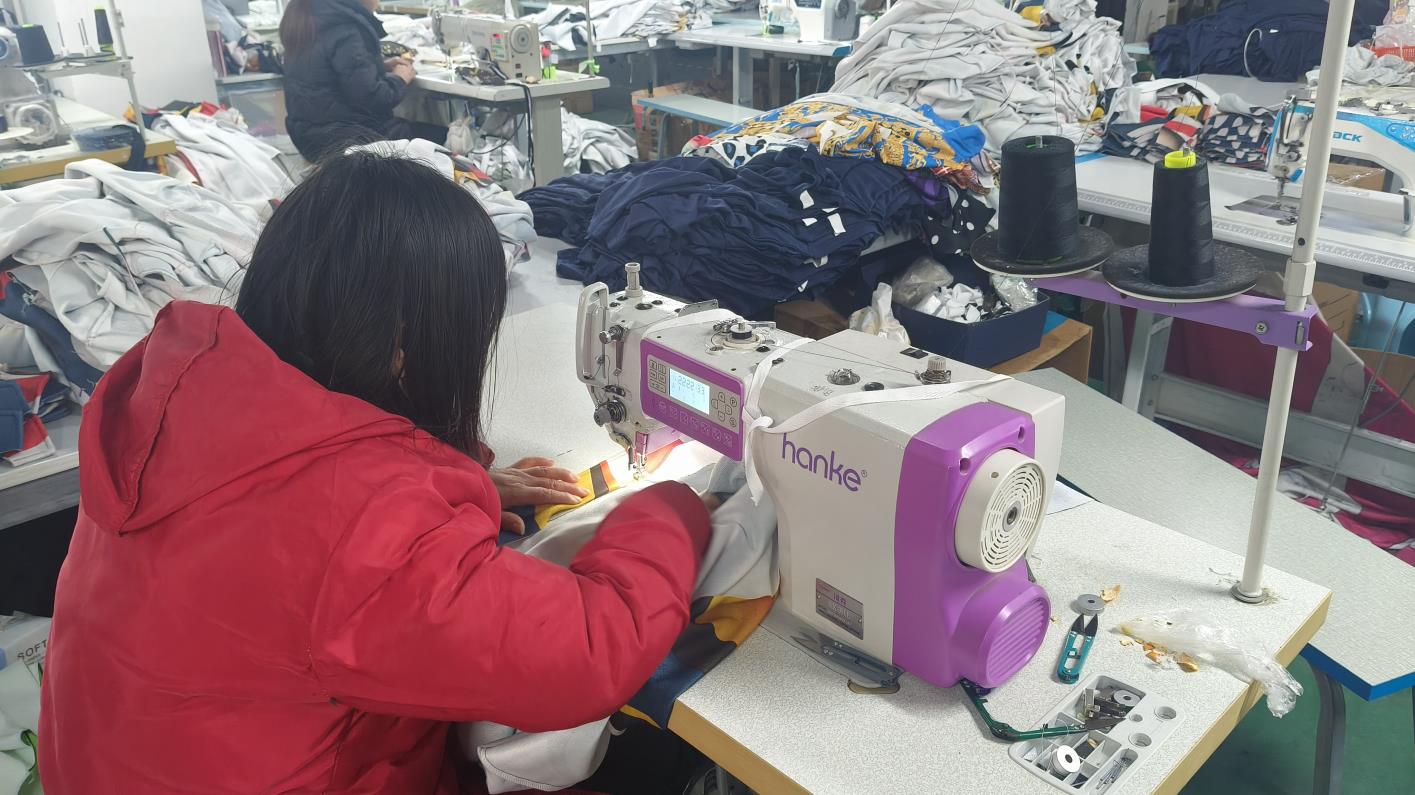
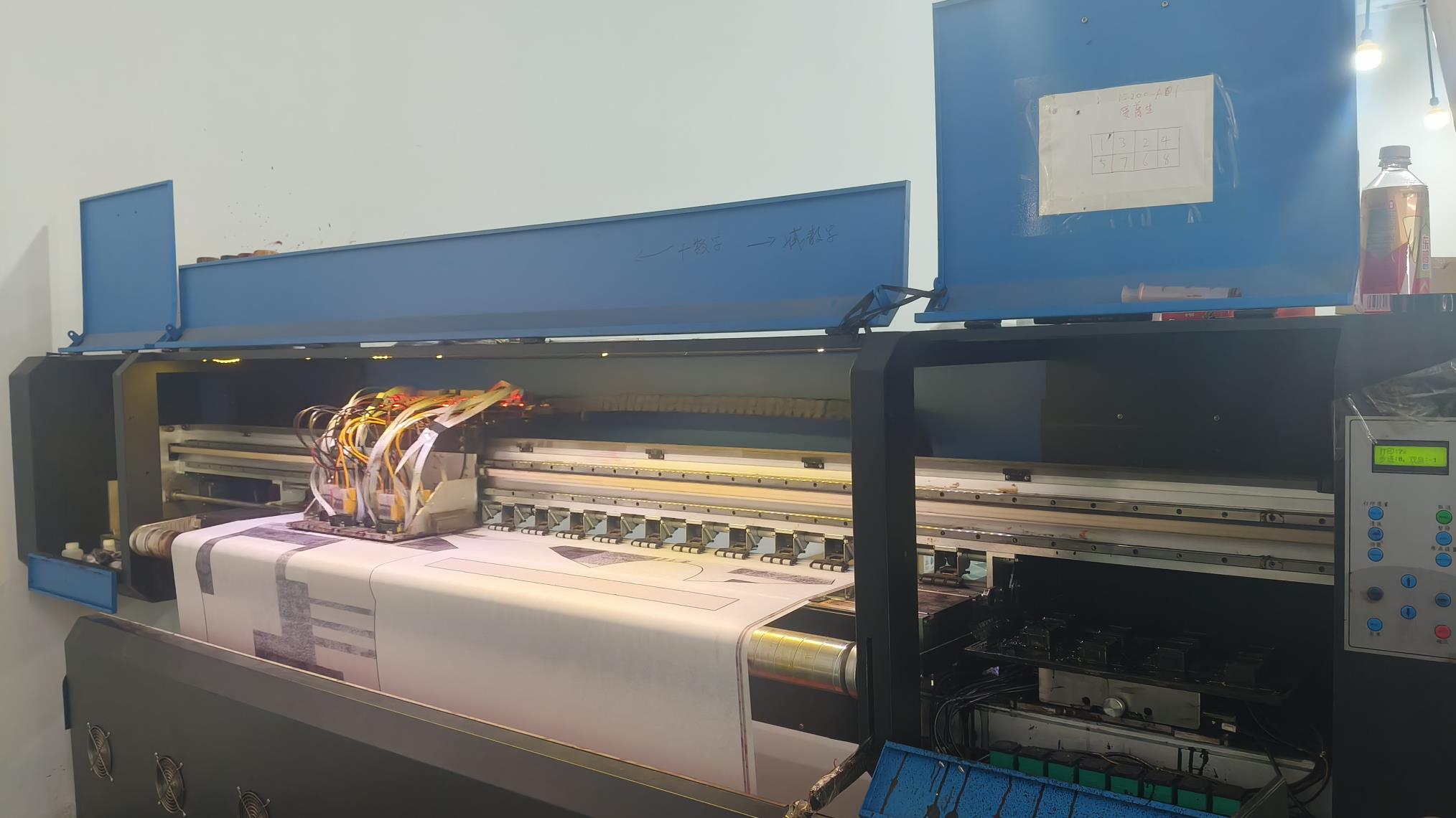
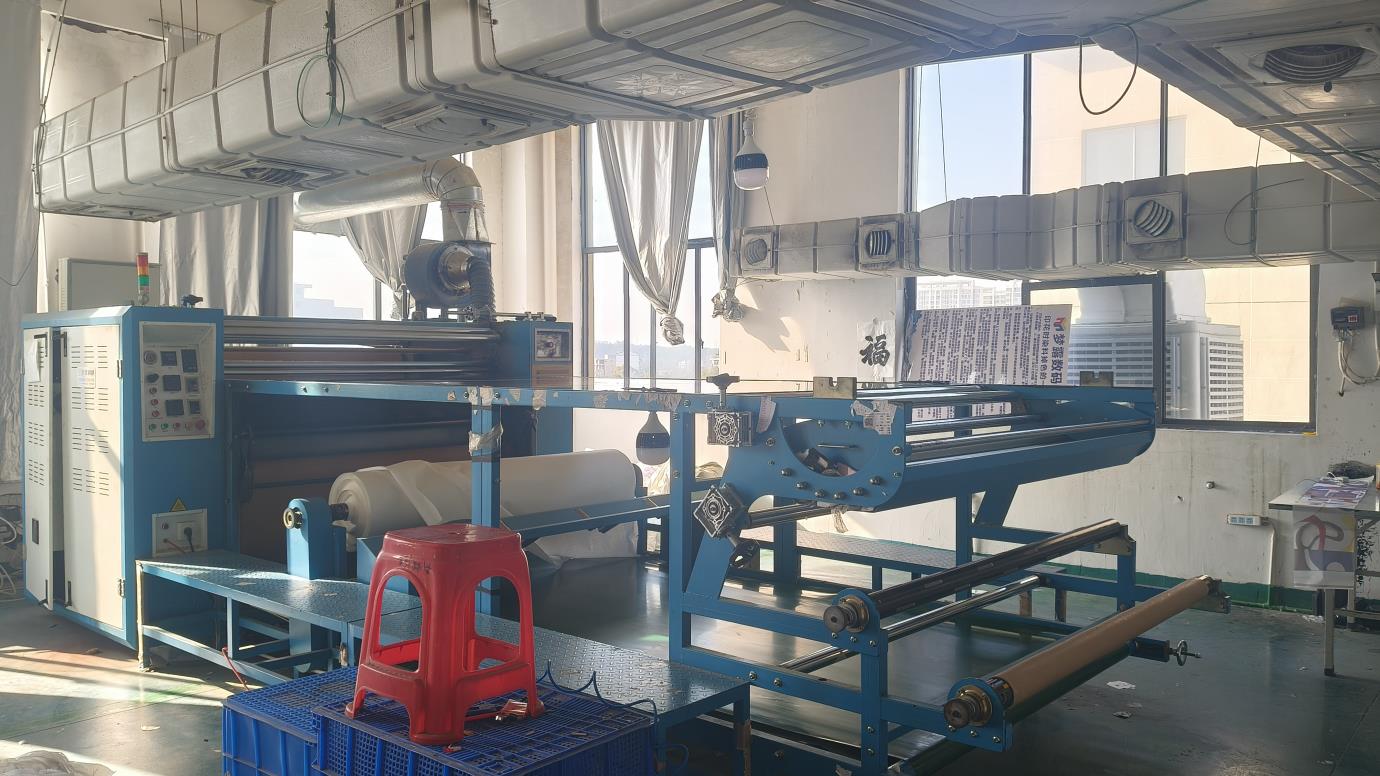
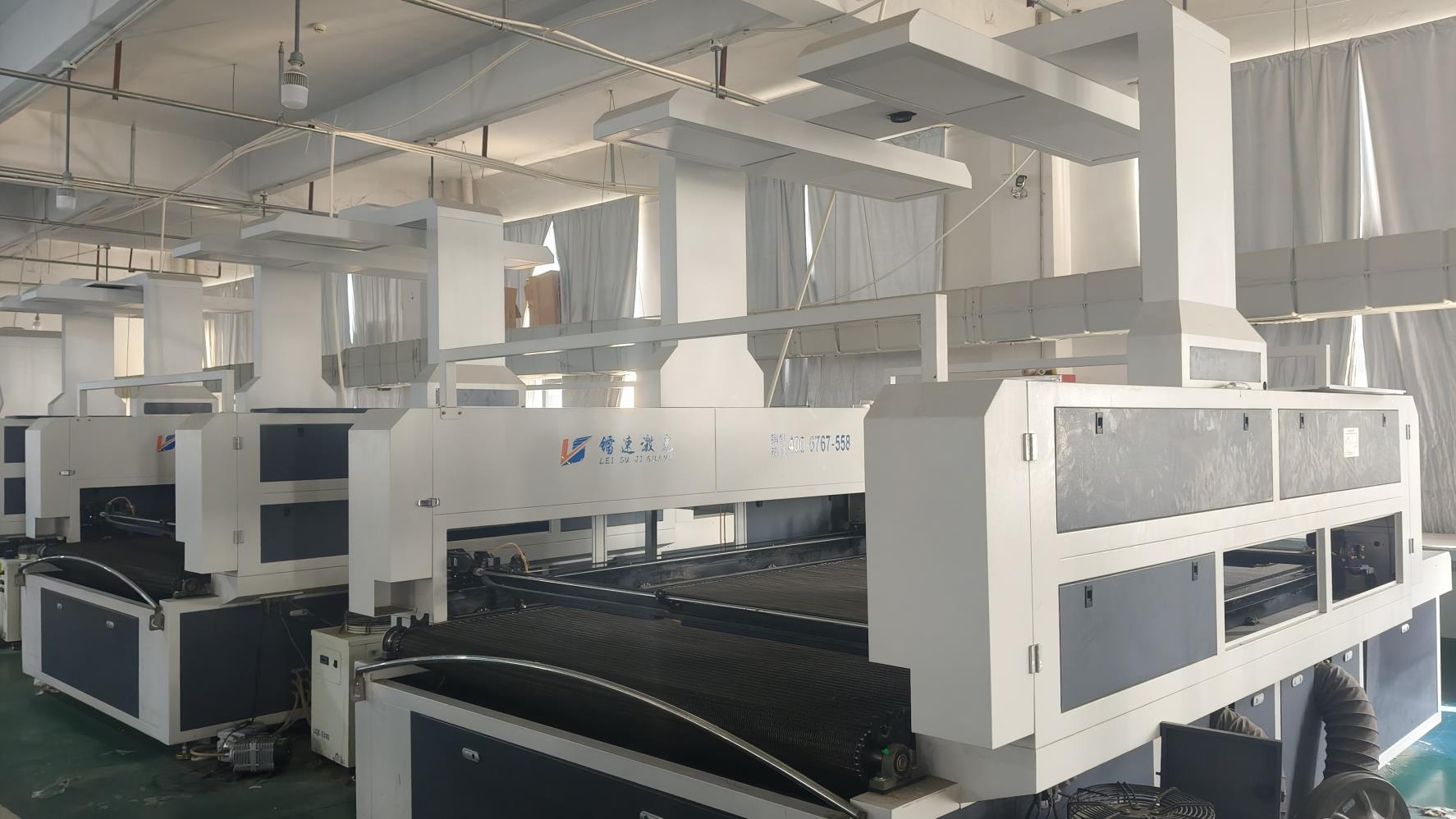
Take a virtual walk inside our Dongguan facility. From high-grade raw material selection to advanced laser cutting and multi-stage quality control, we prioritize absolute craftsmanship transparency.
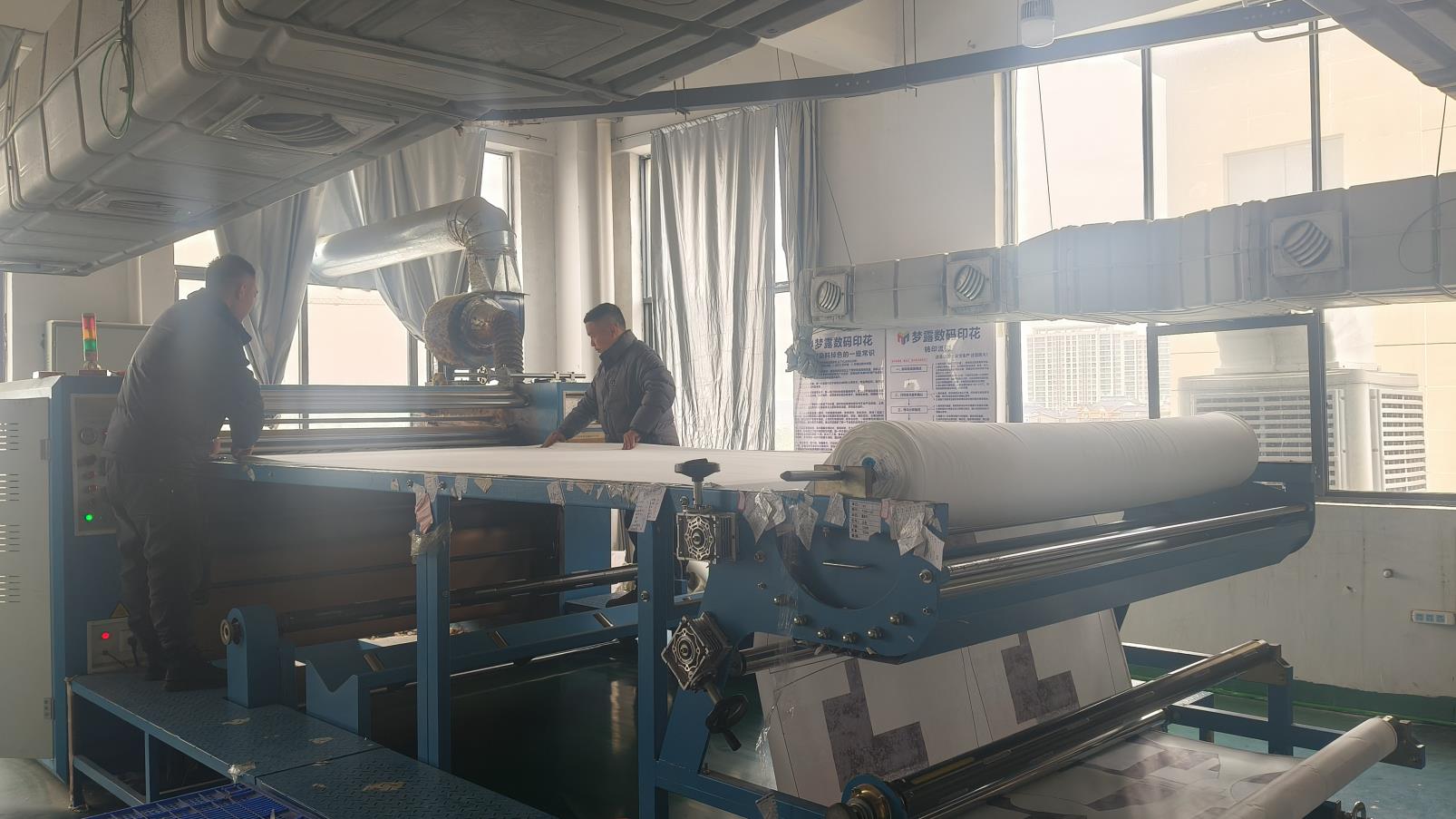
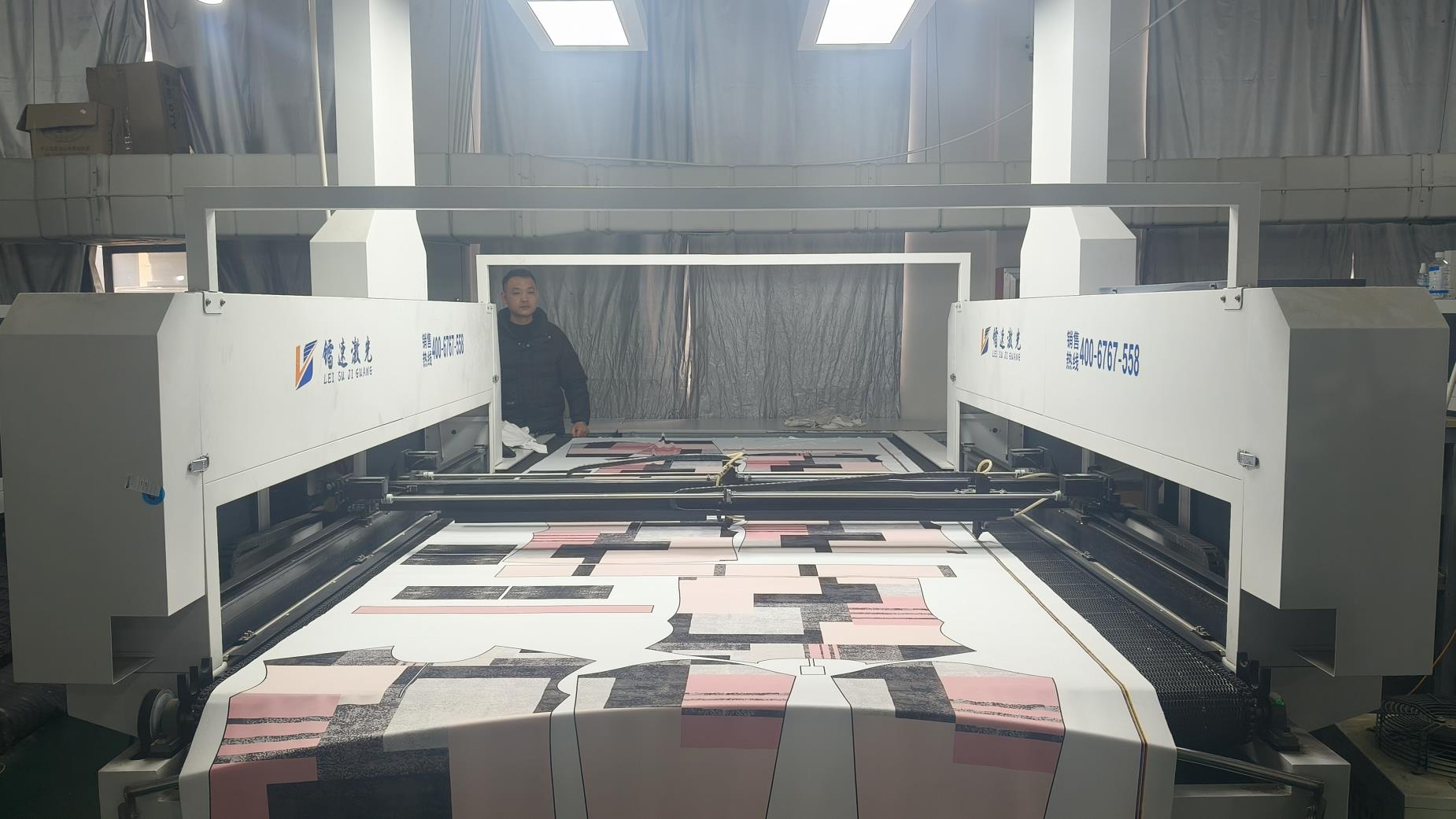
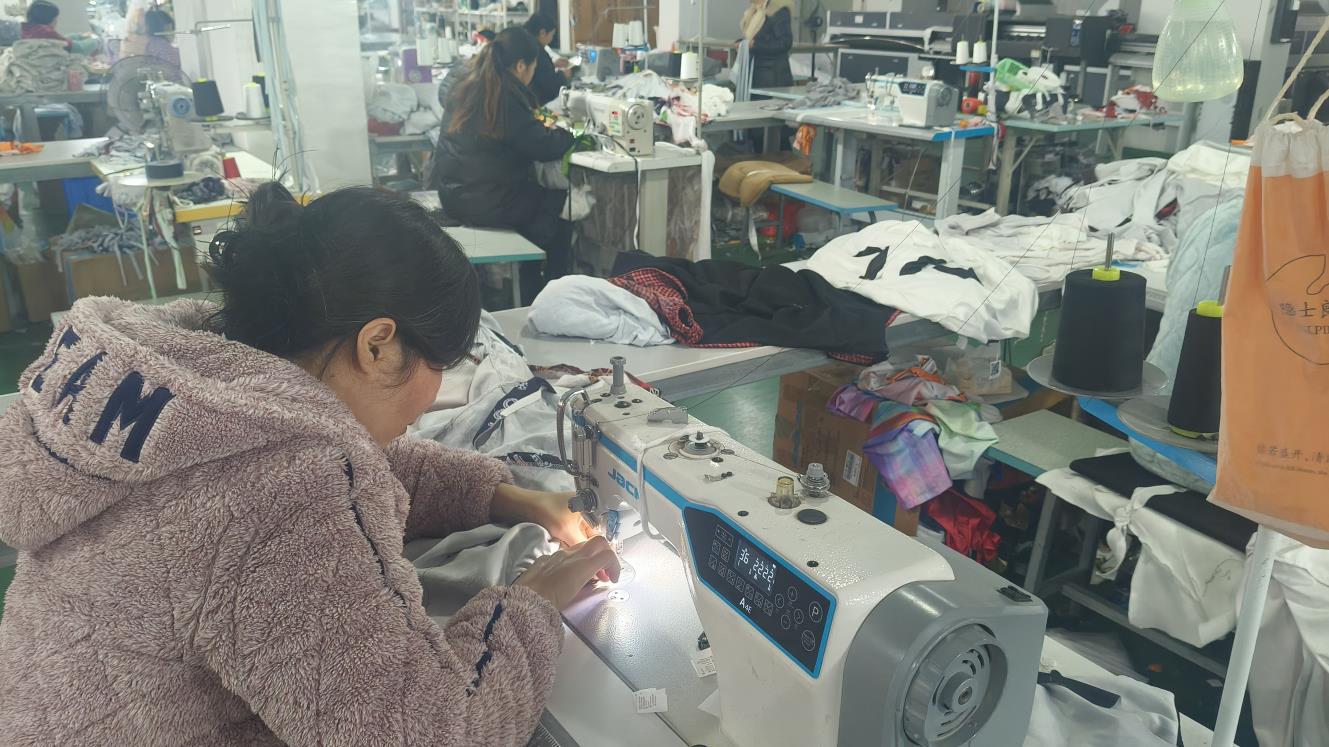
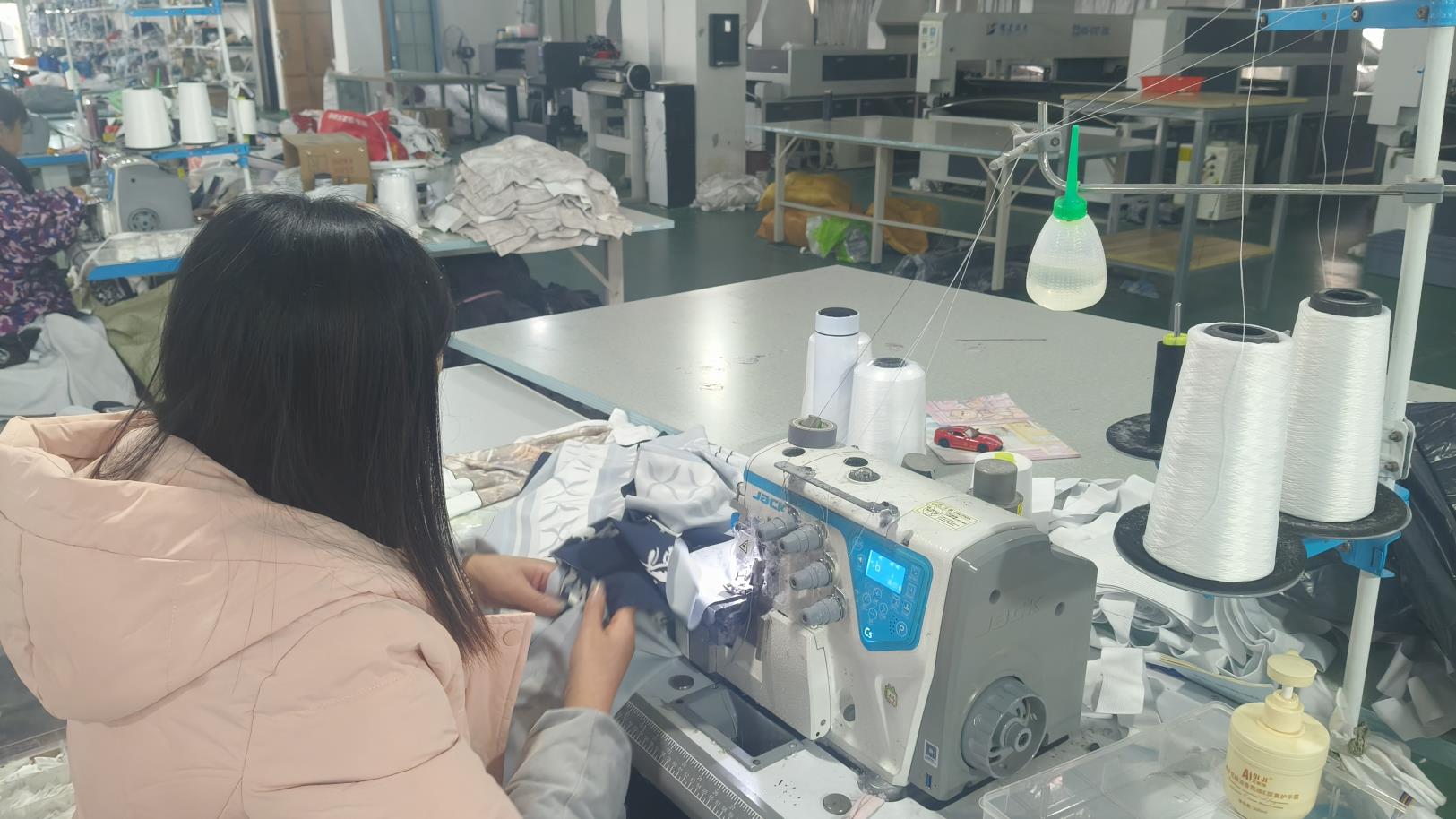
Global trade routes dictate that apparel delivery is not merely about stitching fabric; it requires navigating intricate logistics frameworks, customs validations, and localization profiles. An overseas factory must act as a seamless partner.
Focuses heavily on flame-retardant standard compliance (FTC regulations), clear fabric material declarations, and tariff optimization strategies under Generalized System of Preferences (GSP).
Requires strict chemical testing on AZO-dyes, heavy metals, and allergen-free accessories. Fully compliant with Product Safety Recalls (GPSD regulations).
Direct port-to-port connections optimizing transit times to Brisbane, Sydney, and Melbourne with preferential trade agreements and electronic custom pre-clearance.
To assist global B2B procurement officers, we have compiled the definitive evaluation metric used to benchmark top manufacturers. The top Maxi Skirt factories internationally are selected based on five primary indices: Production speed, minimum order flexibility (Agile MOQ), chemical safety certification, digital pattern precision, and ethical labor standards.
Based on extensive market research, trade data verification, and social responsibility auditing, these are the leading suppliers in the global maxi skirt and women’s clothing sector:
Key Specialization: High-performance pattern engineering, digital design integration, and premium composite fabric sourcing. Armed with BSCI "A-Grade" evaluation rating, ISO9001 quality systems, and SEDEX social compliance audits, Bever Beauty manages bulk OEM/ODM manufacturing under stringent international standards. Their manufacturing lines deploy precision laser cutters and heat transfer machines, making them the preferred manufacturing hub for mid-to-high-end fashion labels globally.
Key Specialization: High-volume vertical knitting integration. They operate massive production complexes with integrated fabric processing and final assembly. Ideal for mass-market retail brands requiring scale.
Key Specialization: Multi-regional delivery networks and automated denim/knitwear production. They offer excellent green initiatives, minimizing water wastage during indigo dyeing for denim maxi skirts.
Key Specialization: Premium extra-long staple (ELS) cotton cultivation and processing. Highly regarded for premium woven cotton maxi skirts that require exceptional tensile strength and soft hand-feel.
Key Specialization: Bonded and seamless garment technology. Using patented stitchless assembly methods, they create minimal-friction elastic waistbands for contemporary, sleek maxi skirts.
Key Specialization: Fast fashion supply chains and green factory operations. Their LEED-certified manufacturing hubs provide global brands with reliable sustainability stories.
Key Specialization: Technical smart garments and athleisure skirts. They lead the industry in applying moisture-wicking and UV-protection features to synthetic activewear skirts.
Key Specialization: Specialized polyester prints and georgette/chiffon drapery fabrics. A leading supplier for the modest maxi skirt market in Southeast Asia.
Key Specialization: Intricate hand embroideries, beadwork, and artisanal lace styling. Perfect for bohemian-style tier panels, tiered maxi skirts, and organic flax linen garments.
Key Specialization: Multi-continental production agility. Strategically located hubs in Kenya and Ethiopia enable tariff-free access to major European and North American markets.
The future of garment manufacturing is being written by software algorithms and ecological science. Industry 4.0 applications in textile manufacturing are rapidly shifting from high-waste prototyping to closed-loop digital twin rendering.
Here at Dongguan Bever Beauty Co., Ltd., we are actively implementing AI-assisted CAD marker planning to reduce fabric waste down to less than 3.5% (compared to the industry average of 12%). By mapping flat patterns digitally against three-dimensional models, we can simulate fabric deformation, stretch recovery, and hemline drop before a single physical stitch is laid down. This digital validation speeds up client approvals, bringing conceptual sketches to final shipping containers in record time.
Furthermore, our textile procurement framework focuses heavily on the circular economy. We are expanding our partnerships with certified recycled yarn manufacturers (such as Repreve®) and exploring eco-friendly botanical dyes to replace synthetic processing agents. This reduction in chemical footprints safeguards local ecological systems and elevates our retail clients' positioning in the eyes of conscious consumers.
You should require BSCI or SEDEX audit validation to guarantee ethical labor practices. For fabric material safety, look for OEKO-TEX Standard 100 or the Global Recycle Standard (GRS) to verify ecological authenticity. Dongguan Bever Beauty Co., Ltd. holds active BSCI "A-grade" ratings and ISO9001 certifications.
GSM (Grams per Square Meter) defines fabric thickness and drape. For lightweight, flowing summer maxi skirts, a GSM of 120-160 (like chiffon or thin rayon) is ideal. For structured, winter or heavy-drape pencil maxi skirts, look for cotton rib or knit fabrics ranging from 220 to 320 GSM.
With digital CAD cutting systems, sample pattern development takes 3 to 7 working days. Physical manufacturing of custom samples, including custom dyes or prints, generally ranges between 10 to 14 days, depending on fabric availability.
Brands can utilize split-shipment strategies, apply for specific Tariff Rate Quotas (TRQs), or source fabrics through dynamic processing trade programs. Additionally, working with factories that manage secondary processing in regions with free trade agreements (like Vietnam or Cambodia) can optimize overall tariff exposure.
Integrating versatile fabrics, modern silhouettes, and highly competitive industrial rates for global distributors.
 Bever Beauty